
Regional theatre
Venue
297 Bath St, Glasgow G2 4JN
King's Theatre er et fredet (Category A) edvardiansk teater som ligger i hjørnet av Bath Street og Elmbank Street i Charing Cross-området i Glasgow. Bygningen ble tegnet av Frank Matcham og åpnet i 1904, og har plass til 1 785 personer fordelt på fire nivåer. Bygget eies av Glasgow City Council og drives daglig av ATG Entertainment. Teateret fungerer først og fremst som et vertsteater for turnérende musikaler, skuespill, dans, komedie og musikk, og gir byens amatørkompanier en synlig scene. Lokalt er det mest kjent for sin årlige julepantomime, som først ble satt opp på 1960-tallet og har vært et fast innslag uten avbrudd siden 1971.
Photos via Google. Attributions: dun_deagh, CC BY-SA 2.0, via Wikimedia Commons
City
Glasgow
Capacity
1,785
Current attached shows
42
King's Theatre er et fredet (Category A) edvardiansk teater som ligger i hjørnet av Bath Street og Elmbank Street i Charing Cross-området i Glasgow. Bygningen ble tegnet av Frank Matcham og åpnet i 1904, og har plass til 1 785 personer fordelt på fire nivåer. Bygget eies av Glasgow City Council og drives daglig av ATG Entertainment. Teateret fungerer først og fremst som et vertsteater for turnérende musikaler, skuespill, dans, komedie og musikk, og gir byens amatørkompanier en synlig scene. Lokalt er det mest kjent for sin årlige julepantomime, som først ble satt opp på 1960-tallet og har vært et fast innslag uten avbrudd siden 1971.
The King's Theatre was commissioned by Howard & Wyndham Ltd under its chairman Baillie Michael Simons as a sister house to the company's Theatre Royal in Glasgow. Frank Matcham designed it, making the most of the prominent corner site with two decorative elevations in red Dumfriesshire sandstone, mixing Baroque and Art Nouveau influences. Built at a cost of more than £50,000, it opened on 12 September 1904. An iron canopy from the Saracen Foundry in Possilpark originally wrapped around the front, though it had gone by the Second World War.
In the 1930s the theatre broke with the custom of closing for the summer. In 1933 managing director A. Stewart Cruikshank tried out a late-starting variety bill called the Half Past Eight Show, first staged on 5 June that year. It changed weekly, drew enormous crowds and produced a record run of 31 weeks topped by Dave Willis. The King's also presented musical plays, drama, ballet and, before 1914, film seasons. Over the decades the stage was graced by performers including Sarah Bernhardt, Laurence Olivier, Katharine Hepburn, Tyrone Power and Ray Walston, and the Jackson Five and Dolly Parton appeared in a Royal Variety Performance in the late 1970s.
Pantomime arrived only in the 1960s, after the Alhambra Theatre closed, and quickly became the theatre's signature, with stars such as Stanley Baxter, Jimmy Logan, Rikki Fulton, Gerard Kelly and Elaine C. Smith. In 1967 Howard & Wyndham sold the building to Glasgow Corporation, securing its future at a time when many British theatres were closing. An extension was added to the rear in the early 1970s as part of the neighbouring Charing Cross Complex, and the theatre was designated a Category A listed building in December 1970.
The King's was a main venue when Glasgow became European City of Culture in 1990, and it underwent major refurbishment for the occasion. Management passed to the Ambassador Theatre Group in 2002 and the centenary was marked in 2004. A further interior restoration programme was announced in 2008 with Simpson & Brown as architects: the stalls and grand circle seating was replaced in autumn 2009 in a style in keeping with the building, with better legroom and no centre aisle in the stalls to improve sightlines, along with new carpet, a new orchestra pit railing and preparation for air conditioning.
Train
Charing Cross station in Glasgow is the closest railway station to the theatre. Check ScotRail and Traveline Scotland for services and any disruption before you travel.
Bus
Glasgow city centre bus services run close to the theatre. Full timetables and the latest information are available from First Bus Greater Glasgow.
Parking
The theatre encourages visitors to travel by public transport where possible. Parking can be pre-booked with Q-Park, and ATG customers can claim a 15% discount on pre-booked parking. For Blue Badge holders there are on-street disabled bays nearby, and the Charing Cross multi-storey car park, a few minutes' walk away, also has disabled parking.
The King's Theatre seats 1,785 people across four levels in a classic Matcham horseshoe layout, so almost every seat is angled towards the stage rather than facing it head on.
Ground level and the only fully step-free part of the house, reached without stairs from the Elmbank Street entrance. The stalls were reseated in autumn 2009 with improved legroom and no centre aisle, which helped sightlines. Be aware of a steep downward slope between rows A and K. Wheelchair positions sit at the rear, and the front stalls are recommended if you want a close view of the stage.
The first balcony level, reseated alongside the stalls in autumn 2009. A popular choice for a full view of the stage picture and, with the stalls, the recommended level for captioned performances.
Above the grand circle, reached by its own stairwell to the left of the main Bath Street entrance. Expect a higher, wider view of the whole stage.
The topmost level, with its own entrance on Elmbank Street. It is the furthest from the stage and reached by stairs, since the theatre has no lift.
General advice: for musicals and pantomime a central seat in the grand circle takes in the full width of the stage, while the stalls suit anyone who wants to be close to the performers or who needs step-free access. If stairs are difficult, book in the stalls.

Step-free access is via the Elmbank Street entrance. If the door is not open when you arrive, press the buzzer and an usher will come to you. There is no lift in the building.
Audio described, captioned, BSL interpreted and relaxed performances are scheduled through the year and listed on the theatre's assisted performances pages. The venue uses the Mobile Connect system for audio description and hearing enhancement, which works from any seat: download the app and bring your own headphones. For captioned shows the stalls or grand circle give the best view of the caption units, and for BSL performances rows D to H offer the clearest view of the interpreter. Touch tours are sometimes offered alongside audio described performances and are advertised on the relevant show page. Front stalls seats are recommended for anyone who needs a closer view of the stage.
Accessibility Assistance is on 0333 009 5399 (Typetalk 1800 1 0333 009 5399). Joining the free ATG Access Membership Scheme lets you book accessible seats online, register for available access concessions and, where eligible, reserve a personal assistant ticket. A Visual Story is available by emailing glasgowaccess@atgentertainment.com, which is useful for autistic visitors or anyone who likes to prepare for a visit.
Regional theatre
Regional theatre
Touring
Regional theatre
Regional theatre
King's Theatre, Glasgow
17 December 2026 to 17 December 2026 (selected dates)
Regional theatre
King's Theatre, Glasgow
14 February 2027 to 14 February 2027 (selected dates)

Touring
Regional theatre

Touring
Touring

Touring
Touring
Grand Opera House, York
22 January 2027 to 11 March 2027 (selected dates)

Regional theatre

Touring
Victoria Hall, Stoke-on-Trent
24 October 2026 to 3 February 2027 (selected dates)

Touring

Touring

Touring

Touring
Touring
The Alexandra Theatre, Birmingham
11 March 2027 to 11 September 2027 (selected dates)

Touring

Touring
Palace Theatre, Manchester
11 February 2027 to 30 October 2027 (selected dates)
Regional theatre

Touring
Touring
Manchester Opera House
4 May 2027 to 25 September 2027 (selected dates)
Touring
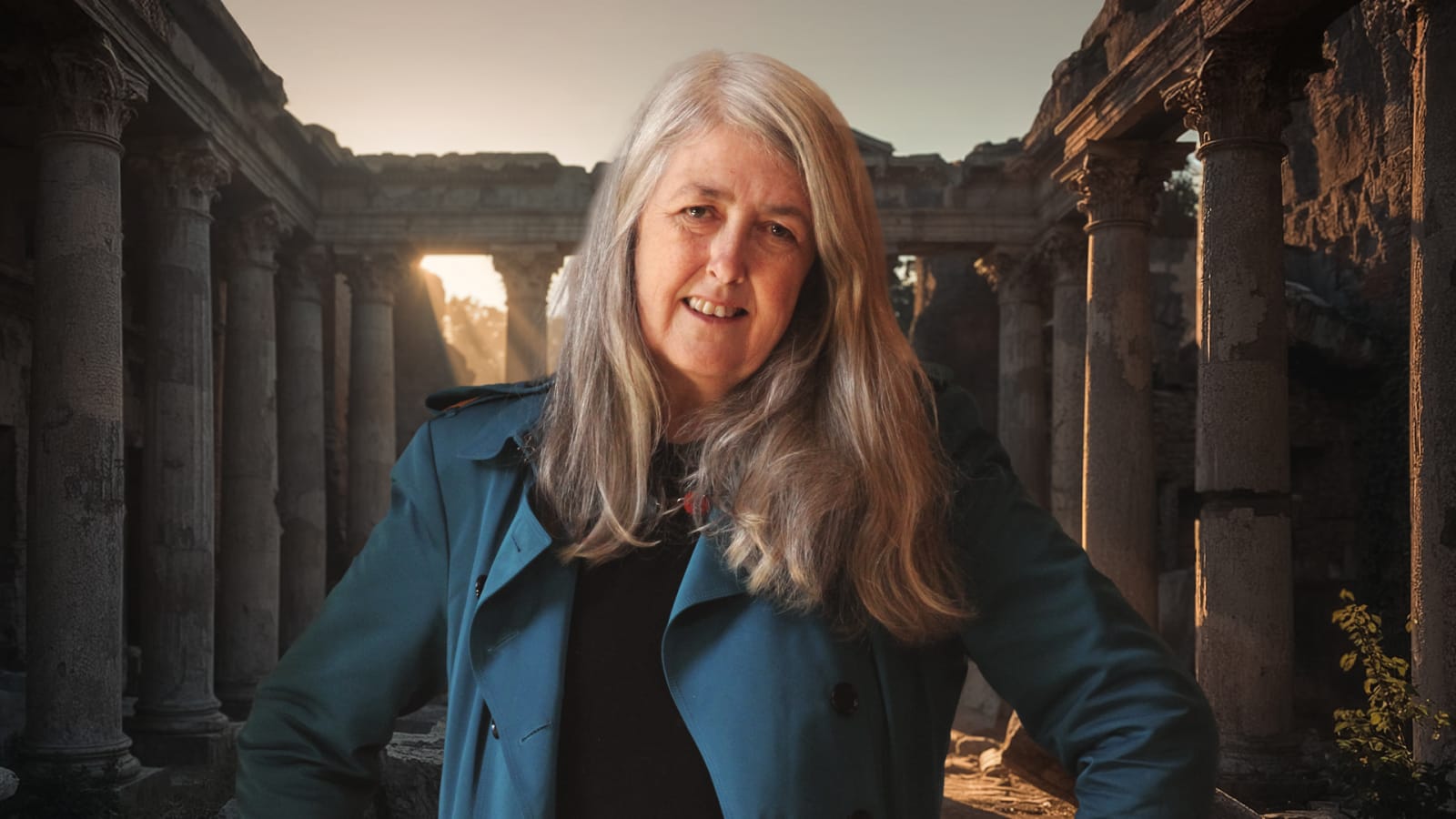
King's Theatre, Glasgow
18 October 2026 to 19 October 2026 (selected dates)
Regional theatre
Regional theatre
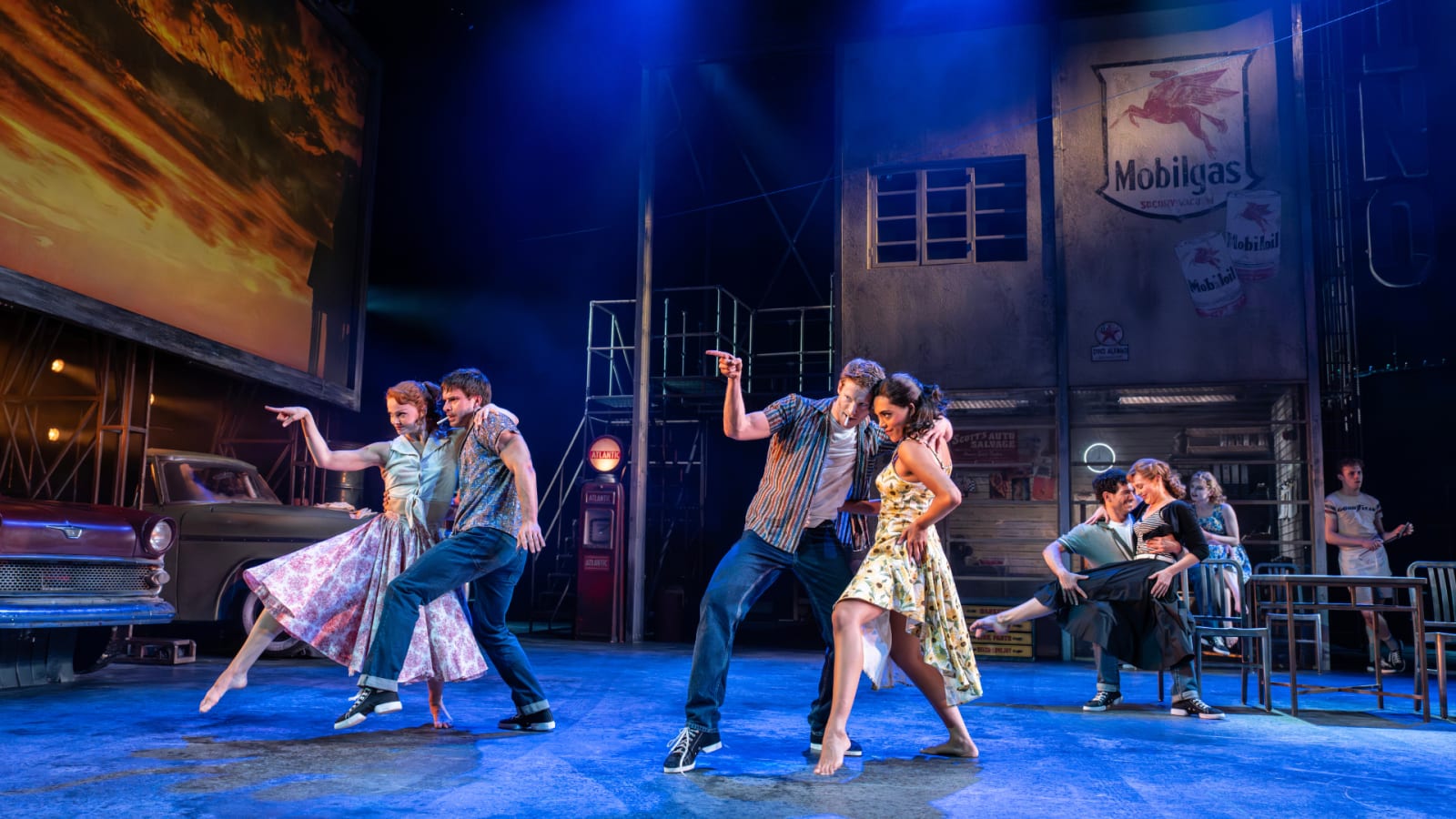
King's Theatre, Glasgow
11 October 2026 to 11 October 2026 (selected dates)
Regional theatre
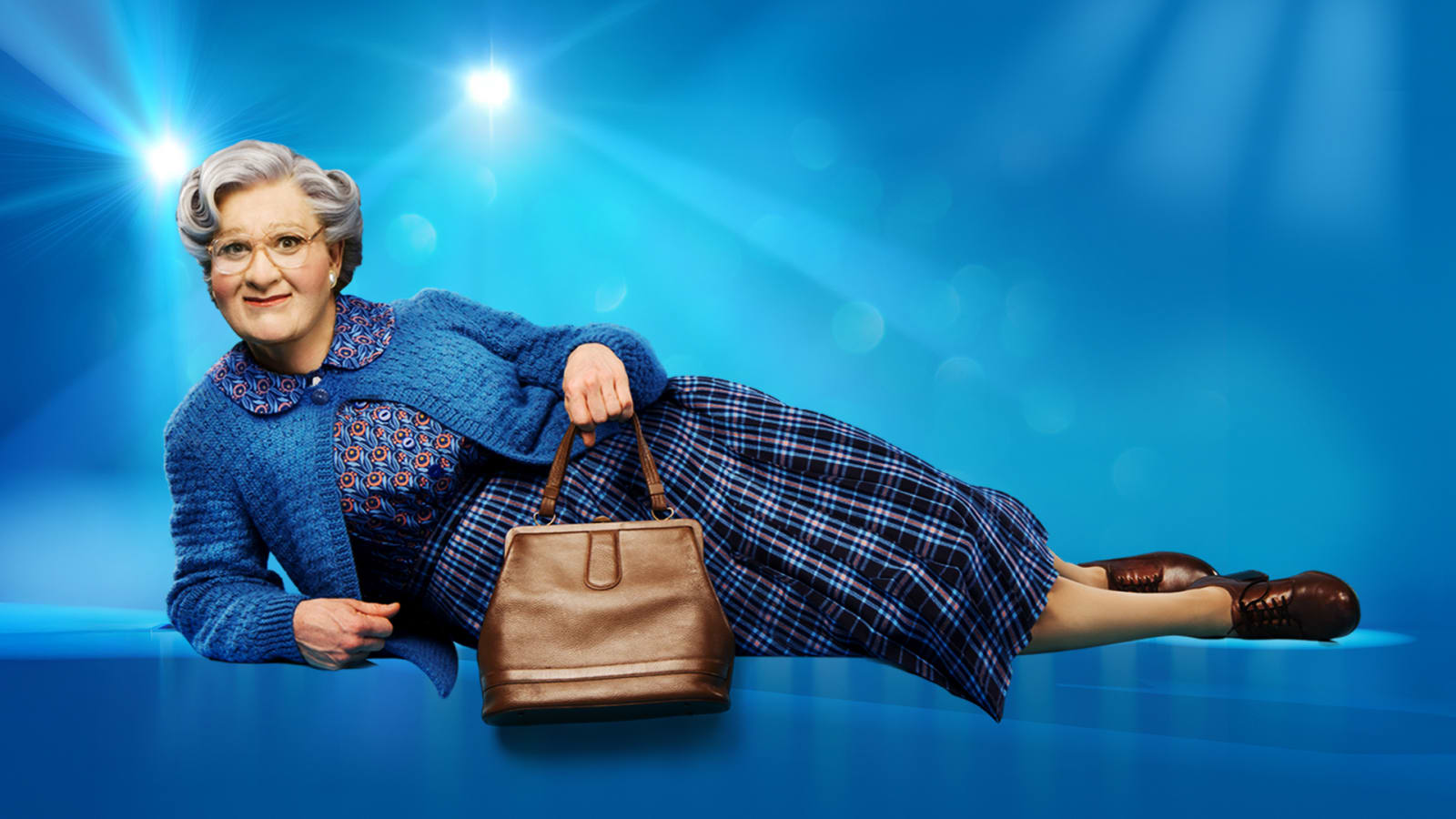
King's Theatre, Glasgow
27 October 2026 to 31 October 2026 (selected dates)
Touring

Touring

Touring
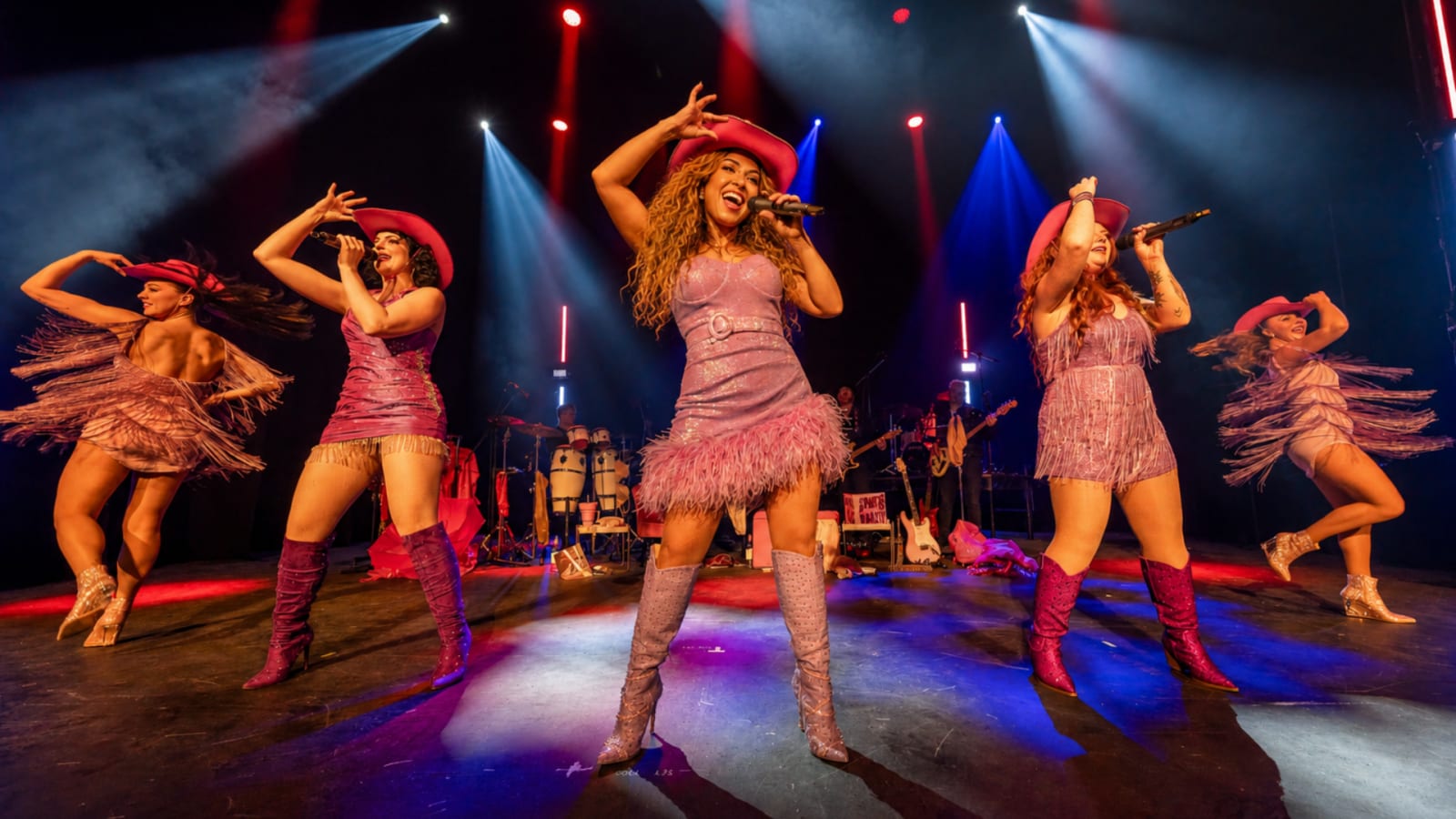
King's Theatre, Glasgow
8 November 2026 to 3 March 2027 (selected dates)

Touring
Regional theatre

Touring
Regent Theatre, Stoke-on-Trent
24 September 2026 to 13 June 2027 (selected dates)

Touring
Aylesbury Waterside Theatre
15 February 2027 to 17 July 2027 (selected dates)
Touring
Leas Cliff Hall, Folkestone
17 October 2026 to 9 January 2027 (selected dates)
Touring

Regional theatre

Regional theatre

Touring

Touring
Touring
Touring
Milton Keynes Theatre
24 September 2026 to 27 March 2027 (selected dates)

Touring
Princess Theatre, Torquay
30 September 2026 to 5 December 2026 (selected dates)
Touring
Liverpool Empire Theatre
26 September 2026 to 26 November 2026 (selected dates)

Touring
Swansea Building Society Arena
4 October 2026 to 24 November 2026 (selected dates)

Touring
Theatre Royal Glasgow
26 September 2026 to 3 October 2026 (selected dates)
Touring

Regional theatre
King's Theatre, Glasgow
21 September 2026 to 21 September 2026 (selected dates)
Regional theatre

Regional theatre
King's Theatre, Glasgow
29 September 2026 to 3 October 2026 (selected dates)
Regional theatre
King's Theatre, Glasgow
24 September 2026 to 24 September 2026 (selected dates)
Bestilling og kundeservice håndteres av ATG Tickets. Vi kan motta provisjon når du bestiller.
Tue 16 Mar 2027 - Thu 18 Mar 2027
Sold out
Se billetter hos ATG TicketsDates to be confirmed with ATG
Confirm dates with ATG
Se billetter hos ATG TicketsThu 9 Sept 2027 - Sat 11 Sept 2027
On sale
Se billetter hos ATG TicketsTue 27 Jul 2027 - Sat 31 Jul 2027
On sale
Se billetter hos ATG TicketsWed 6 Jan 2027 - Fri 8 Jan 2027
On sale
Se billetter hos ATG TicketsMon 14 Jun 2027 - Sat 19 Jun 2027
On sale
Se billetter hos ATG TicketsThe King's is a receiving house, so the programme rotates between touring musicals, plays, dance, comedy, concerts and family shows, plus productions by Glasgow's amateur companies and the annual Christmas pantomime. The latest listings for the theatre appear on this page.
The theatre is at 297 Bath Street, Glasgow, G2 4JN, on the corner of Bath Street and Elmbank Street in the Charing Cross area of the city.
Charing Cross station in Glasgow is the nearest railway station, and city centre bus services run close by, with timetables available from First Bus Greater Glasgow. The theatre encourages visitors to use public transport where they can.
Parking can be pre-booked through Q-Park, and ATG customers can get a 15% discount on pre-booked spaces. Blue Badge holders will find on-street disabled bays nearby, and the Charing Cross multi-storey car park a few minutes' walk away also has disabled parking.
The theatre holds 1,785 people across four levels, from the stalls at ground level up to the gallery.
There is step-free access via the Elmbank Street entrance, five wheelchair positions at the rear of the stalls, designated transfer seats and an accessible toilet behind the stalls auditorium. There is no lift, so anyone who needs step-free access should book in the stalls; the Accessibility Assistance line is 0333 009 5399.
Yes. Audio described, captioned, BSL interpreted and relaxed performances are scheduled through the year, with the Mobile Connect app used for audio description and hearing enhancement from any seat in the auditorium.
It was designed by Frank Matcham for Howard & Wyndham Ltd and opened on 12 September 1904. It has been a Category A listed building since December 1970 and is owned by Glasgow City Council, with ATG Entertainment managing it since 2002.
King's Theatre, Glasgow hosts a rolling programme of touring productions. The current what's-on list with dates, last checked 2026-09-21, is further up this page, and tickets are sold through the venue's official box office.
King's Theatre, Glasgow is located at 297 Bath St, Glasgow G2 4JN.
King's Theatre, Glasgow has a capacity of 1,785 — small enough to feel intimate but large enough to host major productions.

Misc
Velkommen til vår oversikt over panto-forestillinger i Skottland i 2023. Denne erkebritiske tradisjonen er endelig tilbake for fullt etter at mange produksjo…

Douglas Mayo
Nyheter og anmeldelser