London's fringe theatre scene is one of the most extensive in the world. Outside the commercial West End, hundreds of venues operate across the city, from studio spaces above pubs to purpose-built independents with significant capacity, and between them they produce a volume and variety of theatrical work that the West End cannot match for range. For theatre audiences who want to see more than the established musical programme, the London fringe offers new writing, experimental staging, revivals of rarely produced work and performances from performers at the beginning of careers that may eventually lead to the biggest stages in the country.
The term "fringe" in British theatrical culture covers a broad range. At one end, it describes very small venues, such as a room above a pub with forty seats and low admission prices, that exist primarily to give new writing and emerging performers a platform. At the other end, it encompasses significant independent venues with several hundred seats that produce work of a quality and ambition comparable to anything the subsidised sector offers, but without the institutional structure of companies like the National Theatre or the Royal Shakespeare Company.
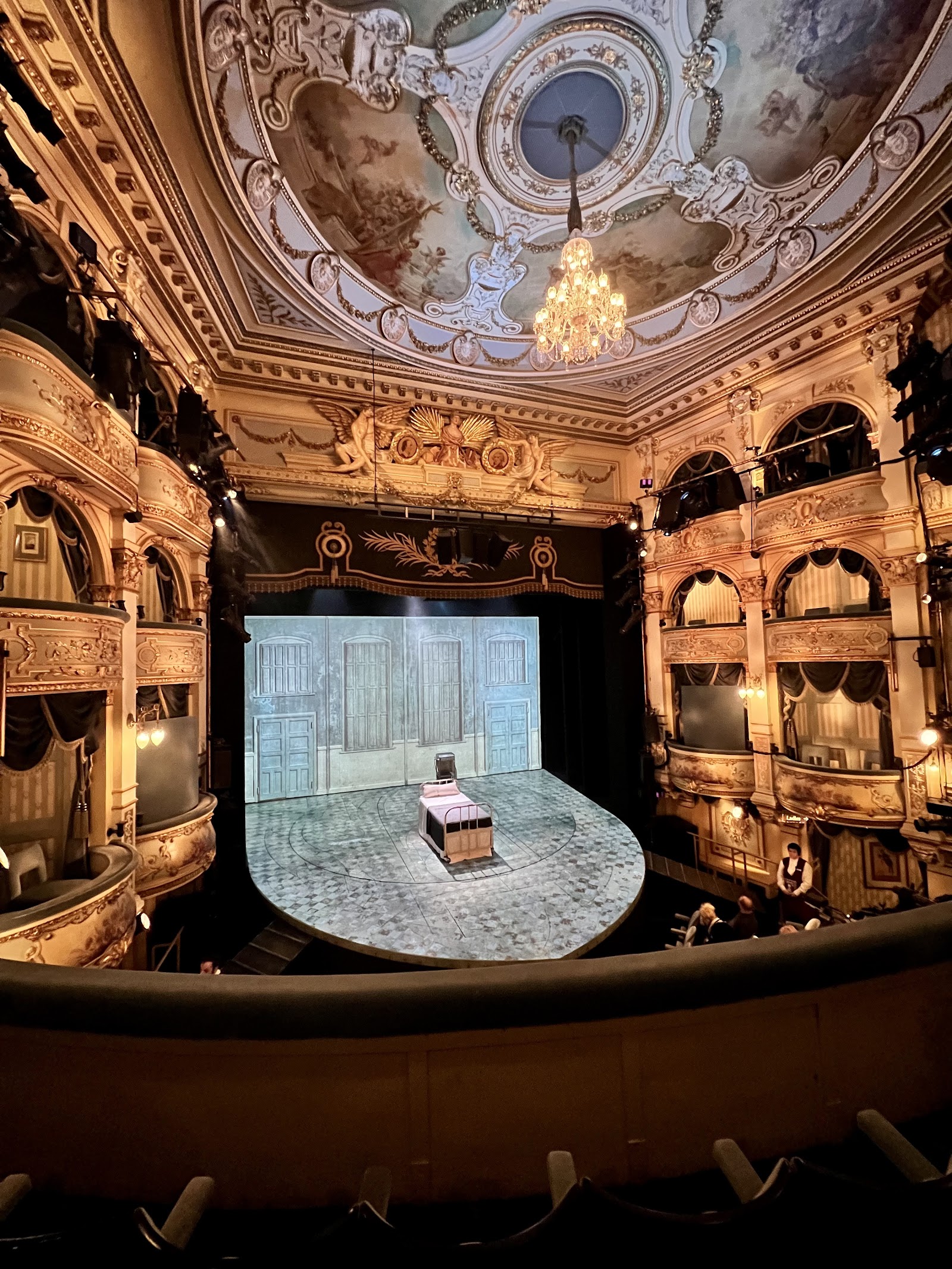
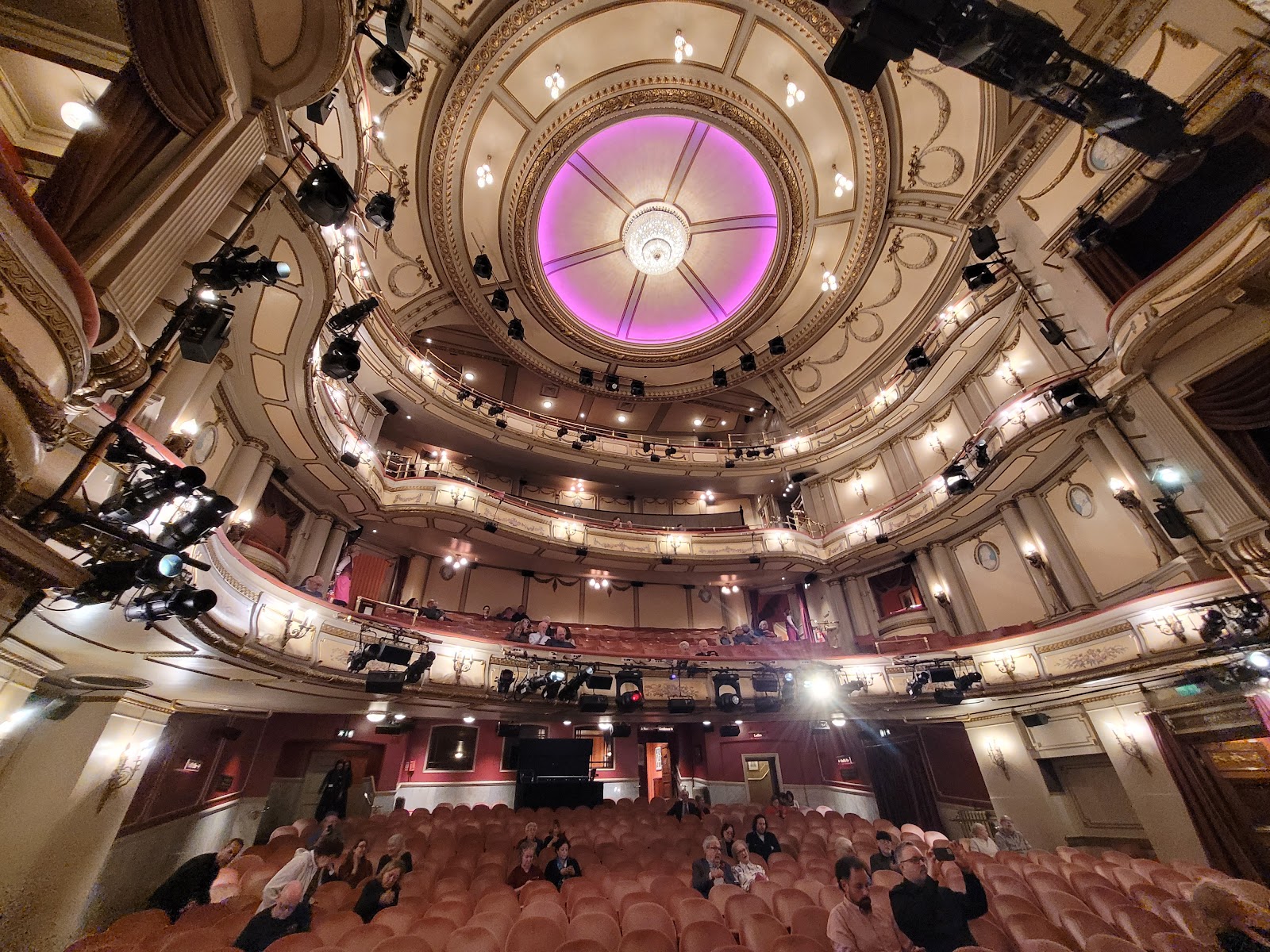
Between these poles is the category sometimes described as "off-West End": venues of medium scale, often subsidised either directly or through arts council funding, that sit outside the commercial Theatreland geography but operate at a level of resource and ambition that distinguishes them from the smaller pub theatres. The Old Vic Theatre, with its several hundred seats and its long history of producing work that attracts leading theatre practitioners, occupies this territory: it is not a fringe venue in the pub-theatre sense, but it operates independently of the commercial mainstream and produces work that is genuinely different in character from the long-running musical programme of the West End.
The Old Vic Theatre in Lambeth is one of the oldest and most significant independent theatrical venues in London. Built in 1818 and associated throughout its history with Shakespeare, classical repertoire and productions that have shaped the development of British theatrical performance, the Old Vic operates as an independent producing house under artistic direction that determines its own programme. The venue has been associated with some of the most important figures in British theatrical history, from Laurence Olivier's tenure in the mid-twentieth century to more recent productions that have drawn significant attention.
For audiences interested in plays rather than musicals, the Old Vic is among the most reliable sources of high-quality dramatic work in London. The repertoire includes new plays, classical revivals and productions that often feature leading film and stage performers. Visiting the Old Vic for the first time is a way to experience a significant part of London's theatrical culture that exists entirely outside the commercial West End.
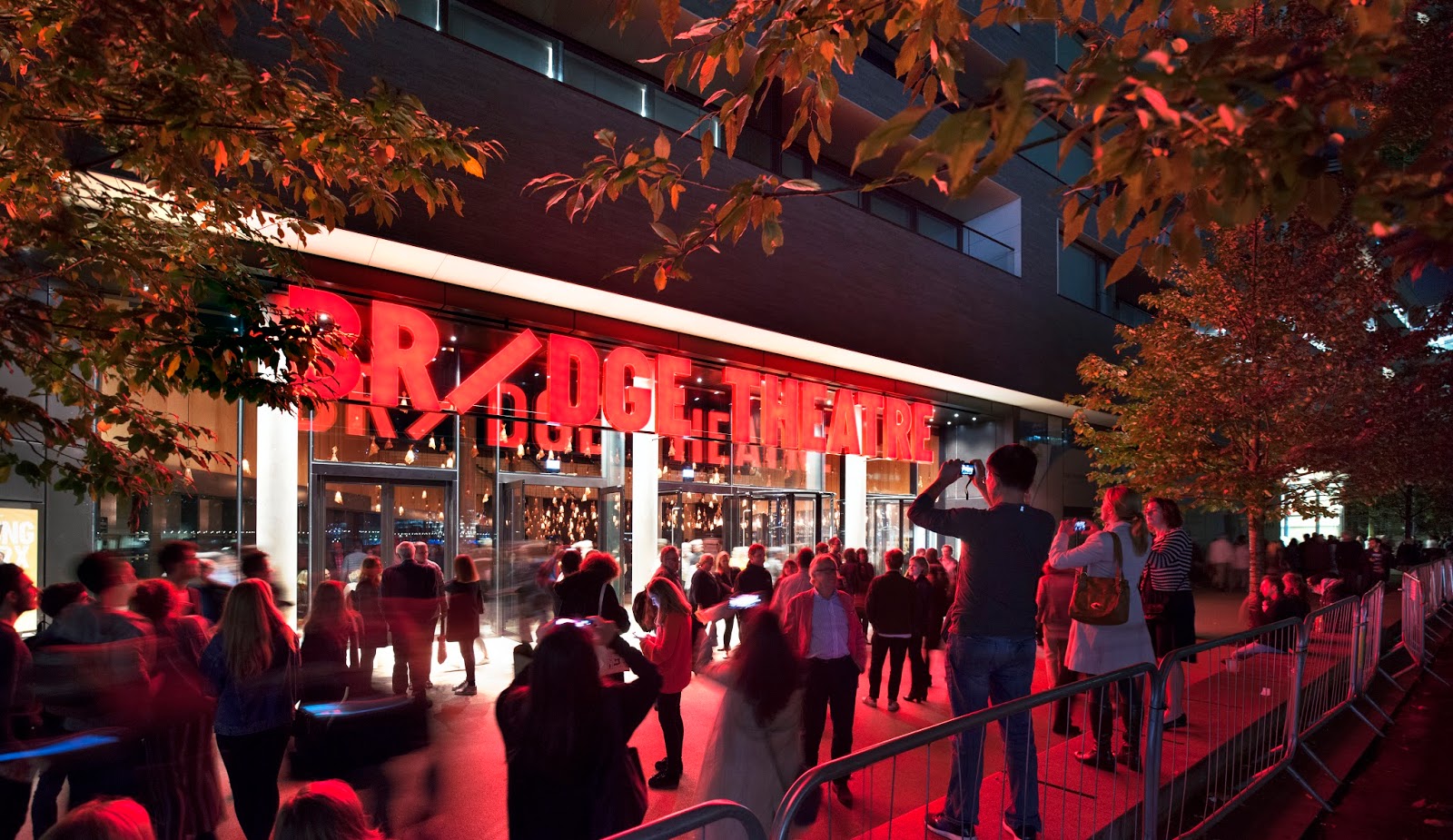
The Bridge Theatre near Tower Bridge is among the newest significant independent theatres in London, having opened in 2017. As a purpose-built producing house under the artistic direction of Nicholas Hytner and Nick Starr, who previously ran the National Theatre, the Bridge combines the production values and creative ambition of a major venue with the independence of programming that comes from operating outside both the commercial West End and the state-subsidised sector.
The Bridge is notable for flexible staging: the auditorium can be reconfigured between productions, allowing promenade performances, thrust staging and conventional proscenium arrangements depending on what a production requires. This gives the venue a range that fixed-configuration auditoria cannot offer, and productions here have exploited that flexibility in ways that have attracted wide attention.
Beyond the Old Vic and Bridge Theatre, London has a dense network of smaller fringe venues that are worth seeking out for different reasons.
The Almeida Theatre in Islington is a 325-seat producing house with a consistent reputation for new work and classical revivals that often transfer to the West End or attract significant critical attention. The Donmar Warehouse in Covent Garden, with only 250 seats, produces work in a pressure-cooker intimacy that gives productions a quality of audience engagement that larger venues cannot replicate. The Young Vic, near the Old Vic in Lambeth, is particularly associated with innovative staging and a programme that combines new work with reimagined classics.
Further afield, venues including the Arcola Theatre in Hackney, the Finborough Theatre in Earl's Court and the King's Head Theatre in Islington provide the smallest end of the fringe: short runs, low ticket prices and the kind of rough-and-ready production environment where risk is available in a way that it cannot be in a venue with significant overheads to cover.
The practical argument for attending fringe theatre regularly is that it provides access to work that the West End programme does not offer. New plays by writers at the beginning of their careers appear at fringe venues long before they are produced on major stages; productions of plays from the classical or twentieth-century repertoire that are rarely revived commercially receive careful attention at venues like the Almeida or the Young Vic; and the staging vocabulary available to productions working in small, flexible spaces gives directors the freedom to try approaches that conventional West End auditoria cannot accommodate.
Some of the most significant productions of recent decades began their life at fringe and subsidised venues before transferring to the commercial programme. Les Misérables was a Royal Shakespeare Company production before it moved to the Palace Theatre and became one of the longest-running musicals in West End history. Hamilton developed through a series of smaller productions before it arrived at the Victoria Palace Theatre. The pipeline from subsidised and independent work to commercial success is a defining feature of British theatre, and audiences who follow fringe theatre are often seeing work at an early stage that will eventually reach a much wider audience.
Fringe theatre in London varies considerably in how tickets are obtained. The larger venues, including the Old Vic and Bridge Theatre, have their own booking systems and are also covered by general West End booking platforms. Smaller fringe venues typically sell tickets through their own websites, box offices and ticketing platforms.
For the commercial West End programme alongside information about what is currently running across London's broader theatrical landscape, BritishTheatre.com covers the full current programme. For West End tickets, tickadoo covers seat availability and pricing across all major venues, and tickadoo also offers theatre gift vouchers.
What is the London fringe theatre scene? London's fringe theatre scene covers hundreds of venues outside the commercial West End, from tiny studio spaces above pubs through to significant independent producing houses with several hundred seats. It is one of the most extensive fringe scenes anywhere in the world.
Are fringe theatres cheaper than West End shows? Generally, yes. Smaller fringe venues typically charge lower admission prices than the commercial West End, partly because production costs are lower and partly because some fringe venues are subsidised. Larger independent venues like the Old Vic and Bridge Theatre are priced closer to West End levels but still often below the prices of the largest commercial productions.
What kind of shows are on at London fringe theatres? The range is wider than the commercial West End: new plays by emerging writers, rarely revived classical work, experimental and physical theatre, productions from international companies and early-career work by performers who may later appear on West End stages. The fringe programme is where theatrical risk-taking happens most freely.
How do I find what's on at London fringe theatres? Listings websites covering the full London theatre programme, including smaller venues, are the most practical resource. BritishTheatre.com provides coverage of the broader British theatre programme alongside the commercial West End.
Stay in the spotlight
Get the latest theatre news, reviews and exclusive offers straight to your inbox.