Theatre awards occupy a particular place in the theatrical ecology: they provide a shared framework of recognition that affects how productions are discussed, how they are marketed and how they are remembered. For audiences, awards function as a guide to critical opinion and industry recognition, though the relationship between an award and the quality of a production as any individual audience member experiences it is not direct. This guide explains the main theatre awards relevant to the West End, what they recognise, who runs them and how they work.
The Olivier Awards are the principal annual awards for theatre in the United Kingdom and the most significant recognition within the West End specifically. They are run by the Society of London Theatre, the industry body that represents West End producers and venues, and are named in honour of Laurence Olivier, the actor and director who was the first artistic director of the National Theatre and one of the defining figures of twentieth-century British theatre.
The Oliviers are awarded across a substantial number of categories covering both performance and production elements. Performance categories include Best Actor and Best Actress in a Musical, Best Actor and Best Actress in a Play, Best Supporting Performance in both categories, and a Best New Performer award. Production categories include Best New Musical, Best Musical Revival, Best New Play, Best New Comedy, Best Director, Best Choreography, Best Set Design, Best Costume Design and Best Lighting Design, among others.
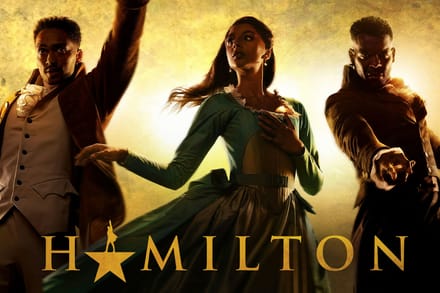
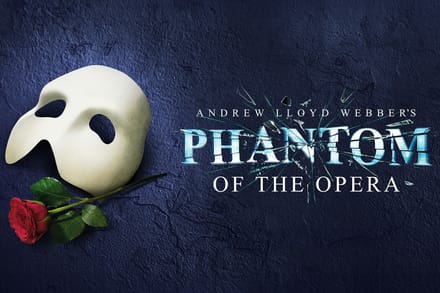
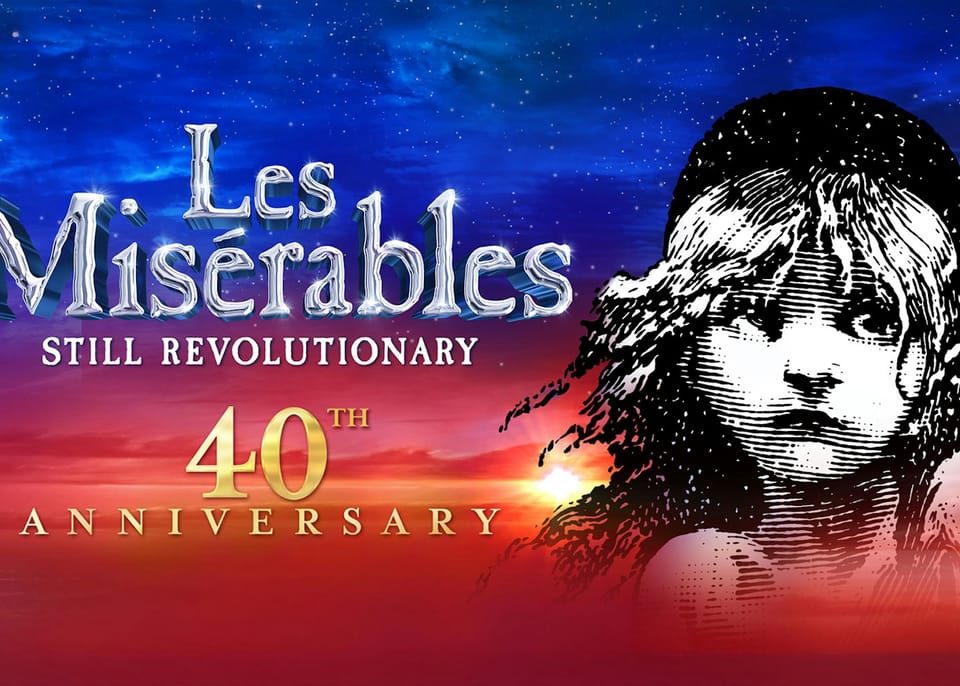
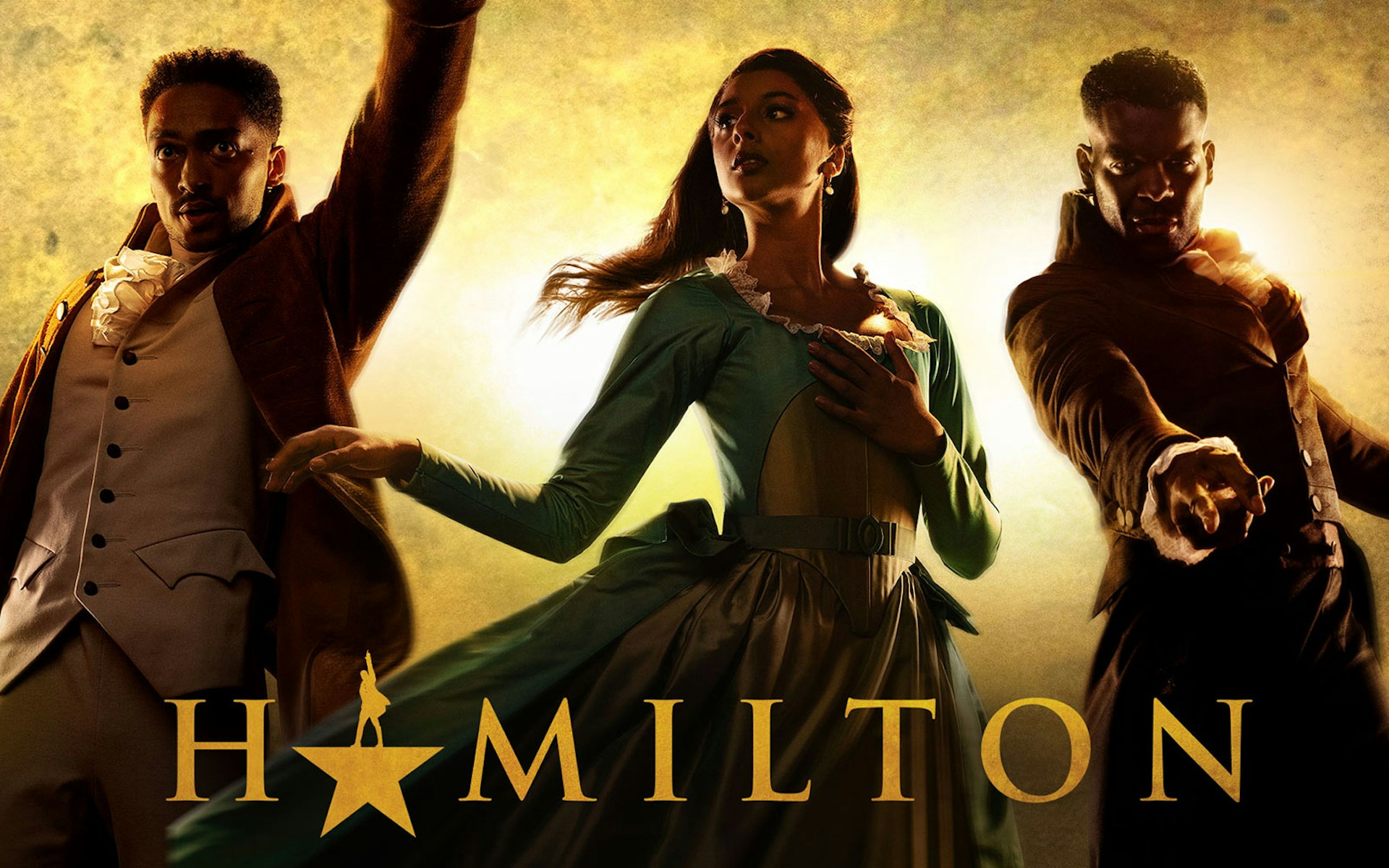
The awards ceremony is held annually in London, typically in April, and is a significant event in the theatrical calendar. For major productions, winning or being nominated for an Olivier Award typically generates significant marketing material and can extend the run of a show by attracting audiences who use the awards as a guide to what is worth seeing. Productions like Hamilton, Les Misérables and The Phantom of the Opera are among the productions that have been recognised by the Oliviers across their West End histories.
The Oliviers are not simply a popularity contest: a judging panel of industry professionals assesses productions across the nominated categories, and eligibility is restricted to productions that have opened in London during the relevant season. The panel's assessments are independent of box office performance, which means that commercially successful productions and smaller or more experimental works can compete on the same terms.
The Evening Standard Theatre Awards are presented annually by the Evening Standard newspaper and represent one of the most established critical voices in the London theatre world. The awards are judged by a panel of theatre critics and cover a range of categories including Best Actor, Best Actress, Best Director, Best Musical, Best Play and a Best Design award.
Unlike the Oliviers, which are run by an industry body, the Evening Standard Awards reflect a journalistic and critical perspective on the year's theatre. The judging panel changes over time and the criteria are not formally codified in the same way as the Oliviers, which gives the awards a slightly different character: they represent the considered critical view of the year in theatre rather than an industry consensus.
The Evening Standard Awards have a history going back to the 1950s and have recognised many of the same productions that the Oliviers have honoured, but they also have a record of identifying work that was not commercially dominant in the same year. The awards are typically presented at a ceremony in the autumn.
The WhatsOnStage Awards are distinctive among major theatre awards in that they are voted on entirely by the public. Rather than a judging panel of critics or industry professionals, the awards reflect the preferences of theatregoers who choose to vote via the WhatsOnStage website during the voting period, which typically runs through the winter months with results announced at a ceremony in the spring.
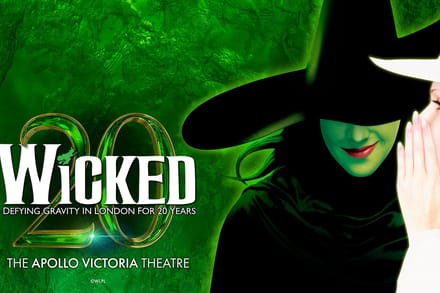
The popular vote basis of the WhatsOnStage Awards means they capture audience enthusiasm for productions that may be primarily popular rather than critically distinguished. A production with a large and devoted fan base, like Wicked or major jukebox musicals with strong repeat-audience characteristics, may perform strongly in the WhatsOnStage voting even if the critical reception was more mixed. The awards are a useful complement to the critic and industry-based awards in providing a picture of what audiences valued in a given year.
The WhatsOnStage Awards cover West End and Off-West End productions and also include touring theatre, giving them a broader geographical scope than the Oliviers, which focus primarily on London.
The Critics' Circle is an organisation of professional theatre critics, and its annual Theatre Awards represent the collective judgement of the critical profession. The awards are voted on by members of the Critics' Circle and cover a smaller number of categories than the Oliviers, typically including Best Actor and Actress, Best Director, Best Designer and awards for new writing and young people's theatre.
The Critics' Circle Awards are one of the oldest theatre awards in Britain and carry significant weight in terms of critical credibility. The relatively small number of categories and the restriction of voting to professional critics gives the awards a focused character that the broader industry awards do not have.
The UK Theatre Awards, formerly known as the TMA Theatre Awards, recognise excellence in regional theatre across the United Kingdom rather than in London specifically. They cover producing houses, touring productions and theatres in cities and regions outside the capital, and they provide a framework for recognising theatrical quality in the regional sector that the London-focused awards do not address.
For audiences interested in regional theatre or planning visits to venues outside London, the UK Theatre Awards provide a guide to which regional producing houses and touring productions have been recognised by the industry in a given year.
Awards can be a useful but imperfect guide to theatrical quality from an audience perspective. The most reliable use of awards information is not to treat any single award as a guarantee of enjoyment, but to use the pattern of recognition across multiple awards in a given year as evidence that a production has been widely valued by critics, industry professionals and audiences.
A production that wins an Olivier, an Evening Standard Award and performs strongly in the WhatsOnStage public vote is about as well-certified a theatrical experience as it is possible to find. Equally, productions that win no awards but receive strong critical notice and sell out their runs represent legitimate alternatives that the awards system may not have captured.
The most important consideration remains what any individual audience member is looking for from a theatre visit. Awards tell you about critical and industry consensus; they cannot tell you whether a production will connect with a particular audience's sensibilities and interests.
For tickets to award-winning West End productions and the full London theatre programme, tickadoo provides seat maps and pricing across all London theatre venues. For the complete current West End listing, BritishTheatre.com provides full production details. tickadoo also offers theatre gift vouchers.
What are the Olivier Awards? The Olivier Awards are the principal annual theatre awards in the United Kingdom, run by the Society of London Theatre and covering productions that have opened in London during the relevant season. They are named after Laurence Olivier and cover both performance and production categories across plays and musicals.
How are the Olivier Awards decided? The Olivier Awards are judged by a panel of industry professionals assembled by the Society of London Theatre. The panel assesses eligible productions across the nominated categories, and the judgements are made independently of box office performance.
What is the difference between the Oliviers and the WhatsOnStage Awards? The Olivier Awards are judged by an industry panel of professionals, while the WhatsOnStage Awards are voted on entirely by the public. The two awards can give different results reflecting the sometimes different priorities of industry professionals and audience members.
Do West End awards affect ticket sales? Winning or being nominated for major awards typically generates additional marketing exposure and can extend a production's run by attracting audiences who use awards as a guide to quality. However, the relationship is not simple: some award-winning productions do not extend significantly, and some productions that win no awards sustain very long runs on the strength of audience enthusiasm alone.
Stay in the spotlight
Get the latest theatre news, reviews and exclusive offers straight to your inbox.