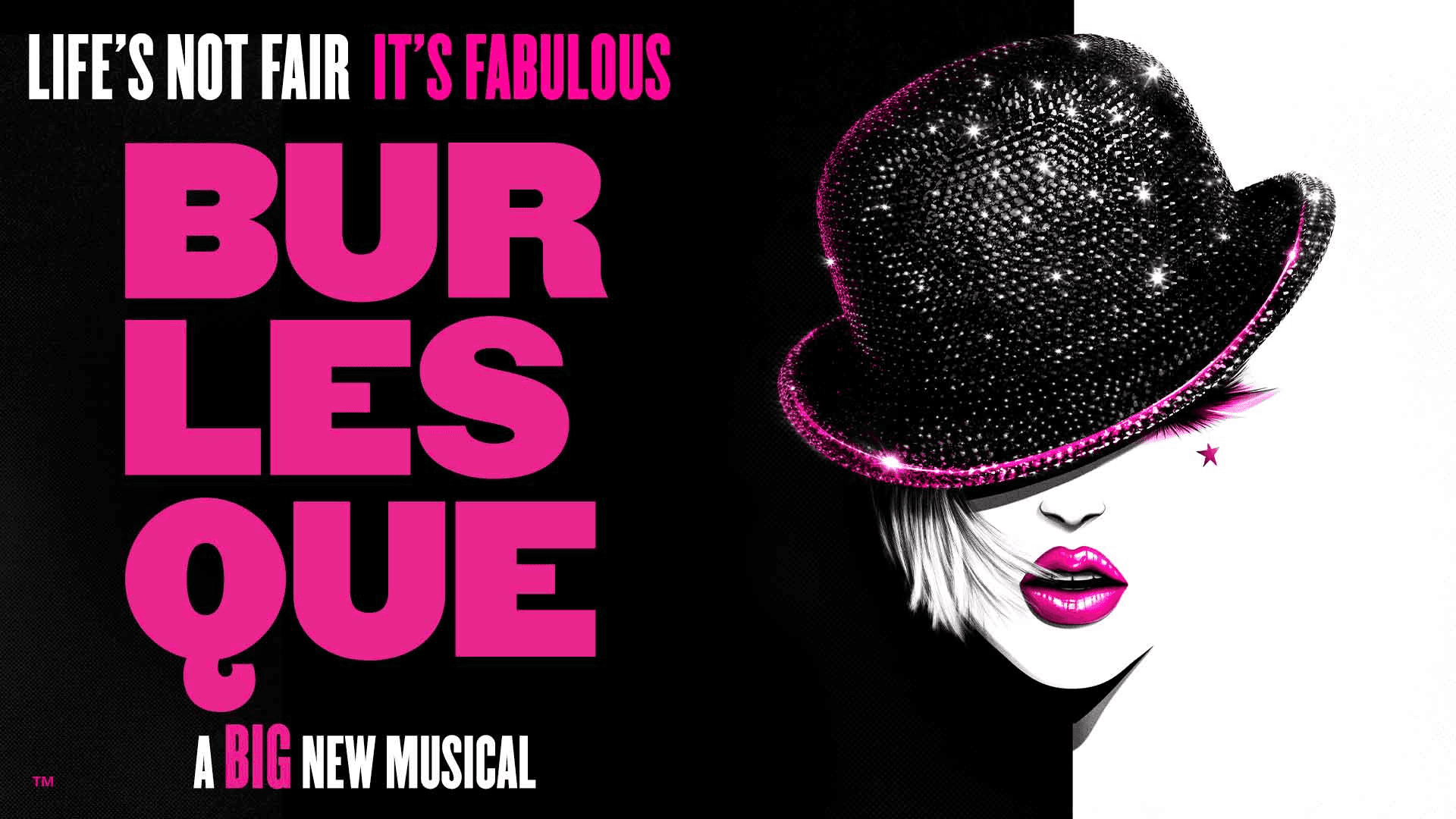
London's West End is the most concentrated and commercially significant theatre district in the world, but this did not happen overnight. The area's dominance over English-language theatrical production is the result of several hundred years of development, shaped by royal patents, fire, rebuilding, commercial competition, immigration, and the globalisation of theatrical culture in the twentieth century. This is a compressed account of how the West End came to be what it is.
The modern West End begins, in a sense, with the Restoration of the monarchy in 1660. Charles II, returning from exile in France with an appetite for theatrical entertainment, granted royal patents to two companies authorising them to perform spoken drama in London. The Theatre Royal in Drury Lane, which received one of these original patents, has occupied its current site since 1663, though the present building is the fourth on that spot, having been rebuilt after fires in 1672 and 1809 and opened in its current form in 1812. It is now one of the largest and most historically significant theatrical buildings in the world.
The patent system gave the licensed theatres a legal monopoly on spoken drama in London, but it also created the conditions for competition and evasion. Other venues, operating without patents, offered music, pantomime and other entertainments that technically did not count as spoken drama, establishing a tradition of theatrical variety and commercial ingenuity that has characterised the West End ever since.
The Theatre Regulation Act of 1843 ended the patent monopoly, allowing any licensed venue to present any kind of theatrical entertainment. The effect was a rapid expansion of the London theatre landscape. New venues were built across the West End, and the concentration of theatres around Shaftesbury Avenue, the Strand and Covent Garden began to take recognisable shape in the second half of the nineteenth century.
The Victorian West End was a commercial entertainment district with a diverse offer: melodrama, farce, sensation plays, Shakespeare and the first experiments with operetta and musical burlesque. The Lyceum Theatre became associated with the most prestigious theatrical productions of the era under Henry Irving, who established it as the leading dramatic venue in London. The Old Vic Theatre, built in 1818 across the river in Lambeth, served a different audience and developed a different relationship with Shakespeare and popular performance.
The late nineteenth century also saw the arrival of purpose-built music halls that competed with the legitimate theatres for audiences, and the genre of operetta, particularly the Gilbert and Sullivan collaborations produced at the Savoy Theatre, established a taste for musical entertainment that would eventually become the dominant commercial form in the West End.
By the early twentieth century, the geography of West End Theatreland was largely established in its current form. Shaftesbury Avenue, developed in the 1880s through the demolition of older housing, had become the central artery of the district, with major venues on both sides. The Strand connected the East End of the theatre district to Covent Garden and the area around Drury Lane.
The interwar period brought new construction and the consolidation of the variety and revue traditions. Several theatres built in the 1920s and 1930s still operate today. The period also saw the arrival of American musicals, which began to exert a growing influence on the expectations of West End audiences for what musical entertainment should look, sound and feel like.
The Victoria Palace Theatre, first opened in 1911, was rebuilt and reconfigured several times over the following century and has hosted productions of significant cultural importance, including the long-running Crazy Gang shows of the mid-twentieth century and, in more recent years, one of the most significant productions in contemporary musical theatre.
The post-war West End went through a difficult period of adjustment. Audiences had changed; new media including cinema and, from the 1950s, television drew entertainment consumers away from the live theatre. The number of working West End theatres reduced, and several buildings were converted to other uses or demolished.
The subsidy system established in the 1940s and 1950s, which created the National Theatre and supported the Royal Shakespeare Company, changed the ecology of British theatre in ways that eventually strengthened the commercial West End as well. Productions originating in subsidised venues transferred to commercial runs, and the distinction between the subsidised and commercial sectors became productively porous.
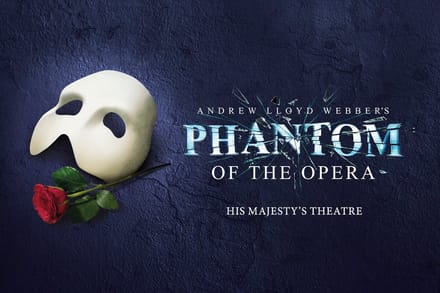
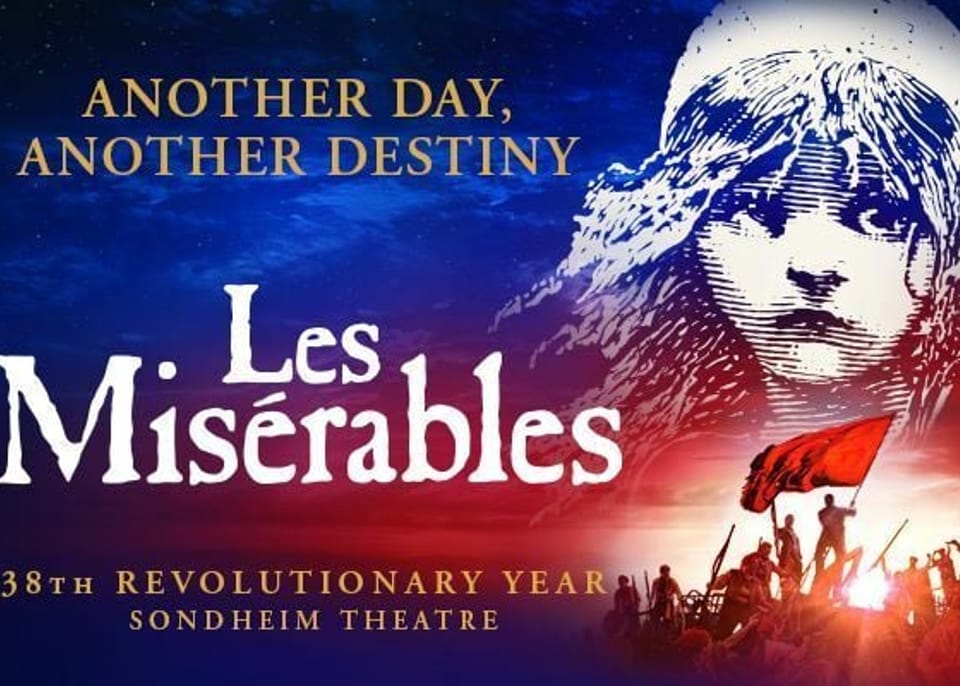
The transformation of the West End into a global destination for musical theatre was largely accomplished in the 1980s. Productions including Les Misérables, which opened at the Barbican before transferring to the Palace Theatre in 1985, and The Phantom of the Opera, which opened at Her Majesty's Theatre in 1986, established the scale and ambition of what a West End musical could be: large-scale, technically complex, internationally marketed, and capable of running for years or decades.
These productions also established the pattern of international touring and licensing that transformed the economics of large-scale musical production. A show that could be produced simultaneously in multiple cities, licensed to amateur companies worldwide, and supported by cast recordings and merchandise had a commercial potential far beyond what any single West End production could generate on its own. The Lloyd Webber model of the large-scale commercial musical made London the global centre of a genuinely international industry.
Since the 1990s, the West End programme has continued to broaden. Productions including The Lion King, which arrived from Broadway via Disney's theatrical operation, and Hamilton, which transferred from New York to the Victoria Palace Theatre and became one of the most significant cultural events in London theatre in recent years, reflect the degree to which the West End and Broadway now function as two nodes in a single transatlantic industry.
The contemporary West End is both a historical district, with buildings and institutions stretching back to the seventeenth century, and an active commercial theatre scene producing some of the most technically and financially ambitious live entertainment anywhere in the world. The relationship between these two aspects of the district, the historical weight of its buildings and traditions and the commercial dynamism of its current programme, is what gives the West End its particular character.
For tickets to the full current programme, tickadoo covers all West End venues with seat maps and availability. For the complete list of current productions and a broader view of British theatre, BritishTheatre.com covers the full programme, and tickadoo also offers theatre gift vouchers for occasions.
When did the West End become a theatre district? The concentration of major theatres in the area around Shaftesbury Avenue, the Strand and Covent Garden developed through the nineteenth century, following the 1843 Theatre Regulation Act that ended the patent monopoly. The general geography of Theatreland has been recognisable in its current form since the late Victorian period.
What is the oldest theatre in the West End? The Theatre Royal Drury Lane has occupied its current site since 1663 and is one of the oldest continuously licensed theatres in the world, though the present building dates from 1812. The Lyceum Theatre has origins in the eighteenth century.
How did the West End become dominated by musicals? The large-scale commercial musical became the dominant West End form following the success of productions in the 1980s, particularly those associated with Andrew Lloyd Webber. The economics of long-running musicals, combined with international touring and licensing, established musical theatre as the most commercially viable format for large West End venues.
Are there non-musical productions in the West End? Yes. Plays, including both new writing and classic revivals, form a significant part of the West End programme. Productions at venues including the Old Vic Theatre and numerous smaller houses keep a substantial body of dramatic work in the commercial and subsidised programme alongside the musicals.
Stay in the spotlight
Get the latest theatre news, reviews and exclusive offers straight to your inbox.