For first-time visitors to a West End musical, the experience can feel unfamiliar from booking onwards. The combination of premium pricing, unfamiliar seating layouts, pre-show logistics and unwritten audience conventions can make a first visit feel more complicated than it needs to be. This guide covers everything from the point of booking through to the end of the evening, with practical advice on what to expect at each stage.
Booking in advance is standard for West End musicals. The most popular shows, including long-running productions like The Lion King at the Lyceum Theatre or Hamilton at the Victoria Palace Theatre, can sell out weeks or months ahead for weekend performances and holiday periods. Booking two to four weeks ahead is a reasonable minimum for most shows; for Saturday matinees and Saturday evening performances, earlier is better.
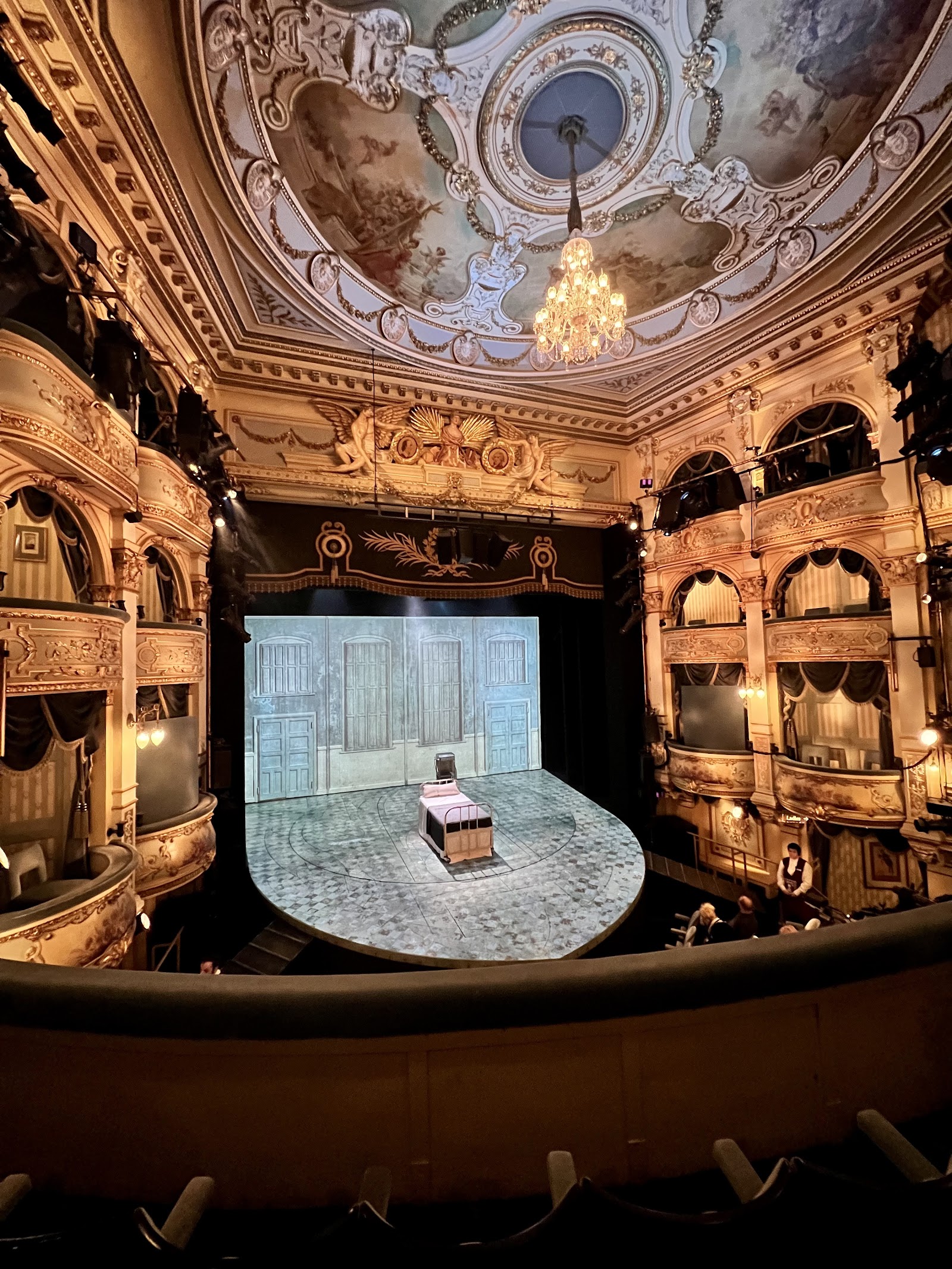
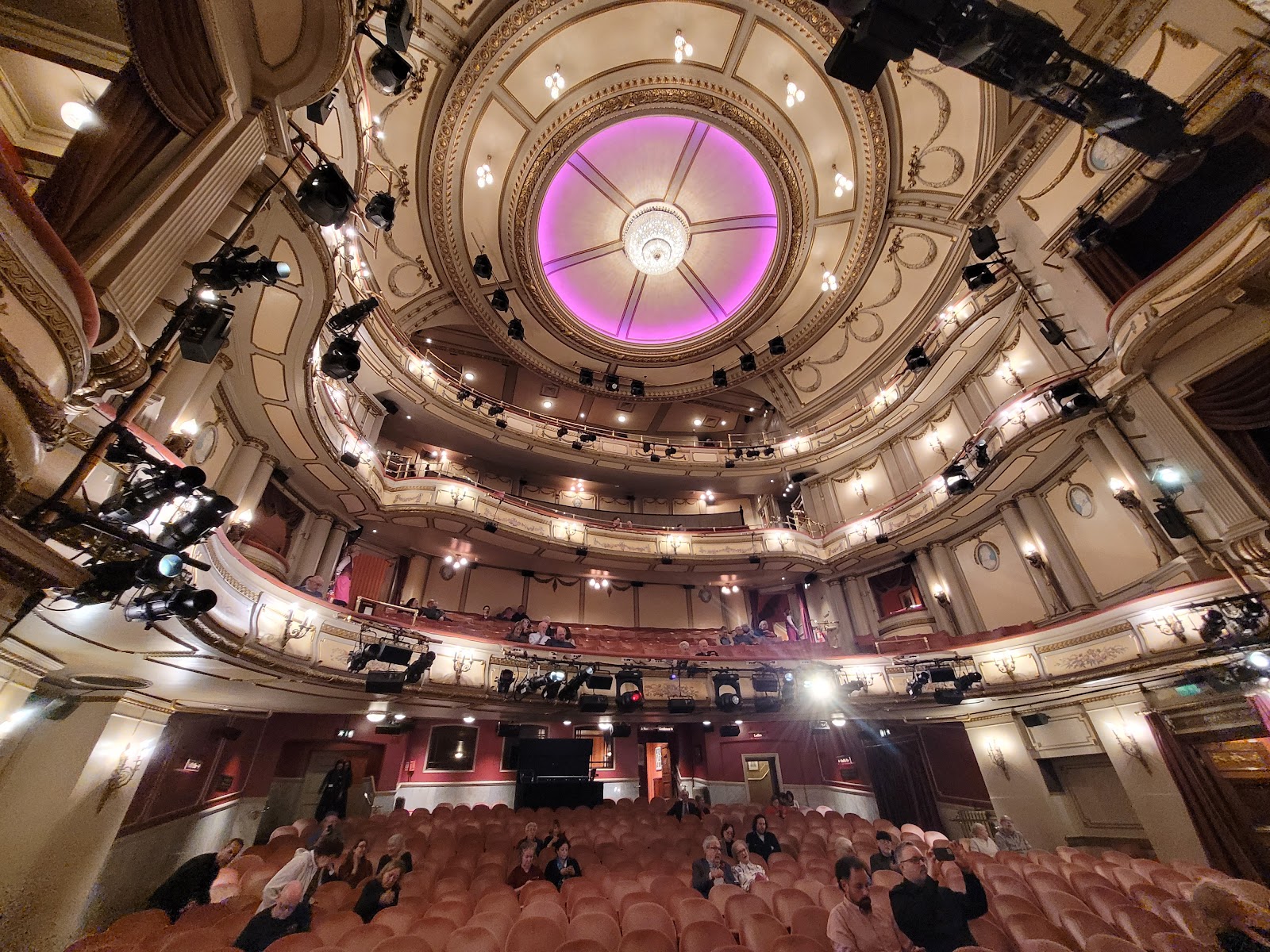
Tickets are typically available in three seating levels: Stalls (ground floor), Royal Circle or Dress Circle (first balcony) and Grand Circle or Upper Circle (second balcony). The price increases as you move from Grand Circle to Stalls and Royal Circle. For a first visit, the mid-Stalls central block or the front central rows of the Royal Circle offer the best combination of sightlines and engagement with the performance.
Restricted-view seats are sold at a reduced price but involve a sightline that is partially blocked, typically by a pillar or the angle of the seat. For a first visit to any production, avoiding restricted-view seats is advisable.
tickadoo covers full seat availability with seat maps and pricing across all West End venues.
West End musicals have no dress code. Smart casual is entirely appropriate for any performance, from a Wednesday matinee to a Saturday evening. Some audience members dress formally as part of the occasion; many others arrive in jeans and a jacket. Neither approach is wrong.
Practical considerations: the auditorium will be warm, particularly if the house is full, so layers are sensible. The seats are fixed and the show runs for two to three hours, so comfortable clothing makes a genuine difference. There is no dress code enforcement at the door.
Arriving thirty minutes before the performance start is a good rule. This allows time to collect tickets (if booked for collection at the box office rather than on a phone), visit the facilities, consult the programme if you want one, and reach your seat before the house lights go down.
West End theatres in central London are in areas of heavy foot traffic. On Saturday evenings particularly, the streets around Theatreland, including Shaftesbury Avenue, the Strand and Covent Garden, are busy. Allow time for the journey rather than cutting it close.
The theatre building itself will typically have several entrances and a front-of-house team directing audience members to their level. Stalls audiences enter at ground level; Circle and Grand Circle audiences go to an upper lobby or balcony entrance. The house opens roughly thirty to forty-five minutes before the start.
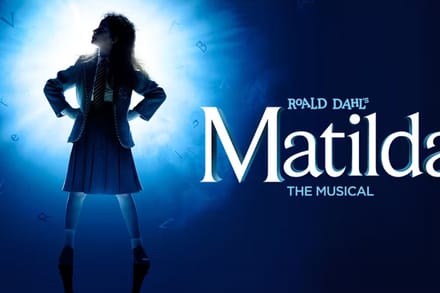
West End musicals typically run between two and two and a half hours, with one interval. Productions vary: Les Misérables runs approximately three hours with one interval; Matilda the Musical at the Cambridge Theatre runs approximately two hours thirty minutes. Always check the specific running time when booking, as it affects the evening's logistics.
The show begins at the advertised time. Latecomers are not admitted until a suitable break in the performance, which may mean waiting until the interval. Arriving on time means arriving before the performance start, not at it.
During the performance, phones should be switched off or set to silent. Photographing and filming the performance is not permitted and is disruptive to other audience members. Food is not typically consumed during the performance, though pre-ordered interval drinks are often available to collect.
The performance itself is an entirely live event: the orchestra plays in the pit, the cast performs on stage, and no two performances are entirely identical. The standard of production in the West End is very high, and even in long-running shows the performances are maintained with care.
The interval lasts approximately twenty minutes in most West End productions. It is used for the same functions it always has been: a chance to visit the facilities, collect pre-ordered drinks, discuss the first half and reset before the second.
Pre-ordering drinks at the bar before the show or online when booking is strongly advisable. Queues at the bar during the interval can be substantial, and a short interval in a busy theatre can mean a long wait with no guarantee of being served before the second half begins. Pre-ordered drinks are placed on a separate collection surface and are collected quickly.
The interval is also when programmes are typically purchased if not bought before the show. West End programmes contain information about the production, the cast and creative team, and for productions based on source material, some background on the original work.
The end of the show is followed by a curtain call, at which the company takes several bows. Audiences typically stand for the final bow of a show they have enjoyed, and standing ovations are common in the West End regardless of the production's specific quality. There is no obligation to stand, but it is the standard end-of-show convention.
After the curtain call, the house lights come up and the audience departs through the same exits used for entry. Central London streets and Underground stations around Theatreland are busy in the immediate aftermath of an evening performance, as multiple shows in the area finish within a short window of each other.
For late performances finishing after the last Underground trains, checking the final train times in advance is worthwhile. The last trains on most London Underground lines run around midnight to 12:30am; a show finishing at 10:30pm typically leaves comfortable time, but this varies by line and destination.
First-time visitors to West End musicals often have practical questions that are easy to answer once raised but not obvious before. Is it acceptable to eat during the show? (No, generally, though pre-ordered interval drinks are fine to collect at the interval.) Will the cast member listed on the billboard definitely be performing? (Not necessarily; West End productions always have covers for principal roles, and substitutions happen.) Can children attend evening performances? (Yes, subject to the show's age guidance.) Are binoculars useful? (In the Grand Circle, yes; in the Stalls and Royal Circle, typically not necessary.)
Productions like Wicked and Mamma Mia! are popular choices for first-time West End visitors because the source material is widely known and the shows are reliably warm and accessible. For visitors who want to arrive at their first visit with some familiarity with the story, choosing a show based on a known film or book provides a useful foundation.
For tickets to all West End productions, tickadoo covers full availability and also offers theatre gift vouchers.
What time should I arrive at a West End musical? Thirty minutes before the performance start is a good target. This allows time to collect tickets, visit the facilities and reach your seat comfortably before the show begins.
Is there a dress code for West End musicals? No. Smart casual is entirely appropriate. Some audience members dress formally; others come more casually. Neither is incorrect.
How long do West End musicals last? Most run between two and two and a half hours with one interval. Some productions run longer: Les Misérables runs approximately three hours. Always check the specific running time when booking.
Can I take photos during a West End musical? Photographing and filming the performance is not permitted. Taking photos in the auditorium before the show begins is generally fine, but once the performance starts, phones should be away.
What happens if I arrive late? Latecomers are typically held until a suitable break in the performance, which may mean waiting until the interval. Arrive before the advertised start time to avoid this.
Are drinks available during the show? Pre-ordered drinks can be collected at the interval. Drinking during the performance itself is not standard; eating is generally not done in the auditorium.
Stay in the spotlight
Get the latest theatre news, reviews and exclusive offers straight to your inbox.