
Touring
Venue
St Augustine’s Parade, Bristol BS1 4UZ
布里斯托尔大剧院坐落于市中心的圣奥古斯丁大道,从布里斯托尔坦普尔米兹站乘出租车仅需数分钟。该剧院由弗兰克·马特康设计,于1912年开幕,是一座二级登录建筑,三层座位共可容纳1,951名观众,拥有英国最大的舞台之一。正因如此,伦敦西区的大型音乐剧巡演时都会选择在此上演,此外还有歌剧、芭蕾舞、单口喜剧、儿童剧以及传统的圣诞哑剧。长久以来,布里斯托尔人一直将其视为本市自己的“西区剧院”,目前由ATG娱乐公司负责运营。
Photos via Google. Attributions: Adrian Pingstone, Public domain, via Wikimedia Commons
City
Bristol
Capacity
1,951
Current attached shows
14
布里斯托尔大剧院坐落于市中心的圣奥古斯丁大道,从布里斯托尔坦普尔米兹站乘出租车仅需数分钟。该剧院由弗兰克·马特康设计,于1912年开幕,是一座二级登录建筑,三层座位共可容纳1,951名观众,拥有英国最大的舞台之一。正因如此,伦敦西区的大型音乐剧巡演时都会选择在此上演,此外还有歌剧、芭蕾舞、单口喜剧、儿童剧以及传统的圣诞哑剧。长久以来,布里斯托尔人一直将其视为本市自己的“西区剧院”,目前由ATG娱乐公司负责运营。
The theatre was designed by the celebrated architect Frank Matcham for the impresario Oswald Stoll, and it opened on 16 December 1912. English Heritage has since designated the building Grade II listed. One of its original talking points was an enormous water tank at the front of the stage, capable of holding 100,000 gallons, with a large glass screen that could be raised to shield the orchestra and the front stalls. The auditorium dome could also be opened for ventilation, although since air conditioning was installed it is rarely used.
The Hippodrome came through the Second World War intact, but in 1948, less than three years after the war ended, fire destroyed the stage. The auditorium survived, and the theatre reopened around ten months later.
Plenty of theatrical history has passed across that stage. The British premiere of Guys and Dolls played here in May 1953, with Vivian Blaine and Sam Levene reprising their Broadway roles, before the production transferred to the London Coliseum. Later came the European premieres of The Music Man in 1961 and Sail Away in 1962, the British premiere of Jeeves in 1975, the world premiere of Windy City in 1982, English National Ballet's new Nutcracker in 2002 and the world premiere of Mary Poppins in 2004. The theatre also has a poignant footnote in music history: Eddie Cochran played his final show here in 1960, hours before the road accident in Chippenham that killed him, and George Formby gave his last performance here on 14 January 1961.
In 2012 the Hippodrome marked its centenary with Thanks for the Memories, a celebration staged by the amateur companies Bristol Light Opera Club and Bristol Musical Youth Productions. It remains part of the ATG Entertainment group and a fixture of the national touring circuit.
Train
Bristol Temple Meads is the nearest main line station, roughly 5 minutes away by taxi. Bristol Parkway is about 5 miles from the city centre, with taxi and bus services available from there.
Bus
First Bus runs many services that stop near the Hippodrome in the city centre. The First Bus app is useful for planning a journey, checking live times and buying tickets.
Parking
The nearest car parks are Trenchard Street, College Street and Frog Lane, and Bristol City Council lists further options online. Clean Air Zone charges may apply. Trenchard Street is not suitable for wheelchair users. Blue Badge holders can park on the double yellow lines on Denmark Street and Gaunts Lane, following the relevant Blue Badge guidance and avoiding dropped kerbs. Please park considerately around Denmark Street, and note that Denmark Street parking may be restricted on the final performance of a run because of lorries arriving for the get out.
The auditorium seats 1,951 people on three levels, with Boxes at the rear of the Stalls. Remember that there is no lift, so the upper levels involve stairs.
Ground level and the closest view of the stage, which makes it the recommended area for anyone who wants detail, facial expressions or a clear view for visual support. The Stalls are also where the wheelchair spaces and the step-free Denmark Street entrance are found. The space between the fixed armrests here is 44cm, or 17 inches.
The first raised level, good for taking in the full width of a big touring musical and the choreography as a whole. Seats have the same 44cm gap between fixed armrests as the Stalls, and access is by stairs.
The highest level, with bench-style seating and no armrests. It offers the most distant but often the most panoramic view of the stage. Access is by stairs only.
The Boxes have free-standing seats without armrests, the only seats in the theatre arranged that way. Two Boxes at the rear of the Stalls can be reached by a small platform lift.
General advice: for large-scale musicals, mid Stalls and front Grand Circle usually give the best balance of detail and overall picture. Taller visitors often find aisle seats give more legroom.

The Access Entrance on Denmark Street is stair free and opens about 30 minutes before the performance. Inside the auditorium each row has a large, shallow step.
All levels are reached by stairs, so every seat outside the areas listed below involves steps up or down.
Walking aids, lightweight folding manual wheelchairs and lightweight folding mobility scooters can be stored if a member of your party can carry them to the storage area. Larger powered mobility aids cannot be taken inside.
audio described performances use the Mobile Connect system on your own device, so you can sit anywhere in the auditorium, and Touch Tours may accompany them. Stalls seats give the closest view of the stage.
the venue uses the Mobile Connect system, with BSL interpreted and captioned performances scheduled through the year.
assistance dogs are welcome and can be looked after by staff during the performance if arranged in advance or on arrival. Sensory kits can be borrowed for use at your seat, a quiet space is available outside the auditorium, and ear plugs or ear defenders can be requested. A visual story and familiarisation visits can be arranged by emailing bristoladmin@atgentertainment.com.
0333 009 5399, or via Typetalk on 1800 1 0333 009 5399.
Touring

Touring

Regional theatre
Bristol Hippodrome
7 September 2027 to 11 September 2027 (selected dates)

Touring

Touring

Touring

Touring

Touring
Palace Theatre, Manchester
11 February 2027 to 30 October 2027 (selected dates)

Touring
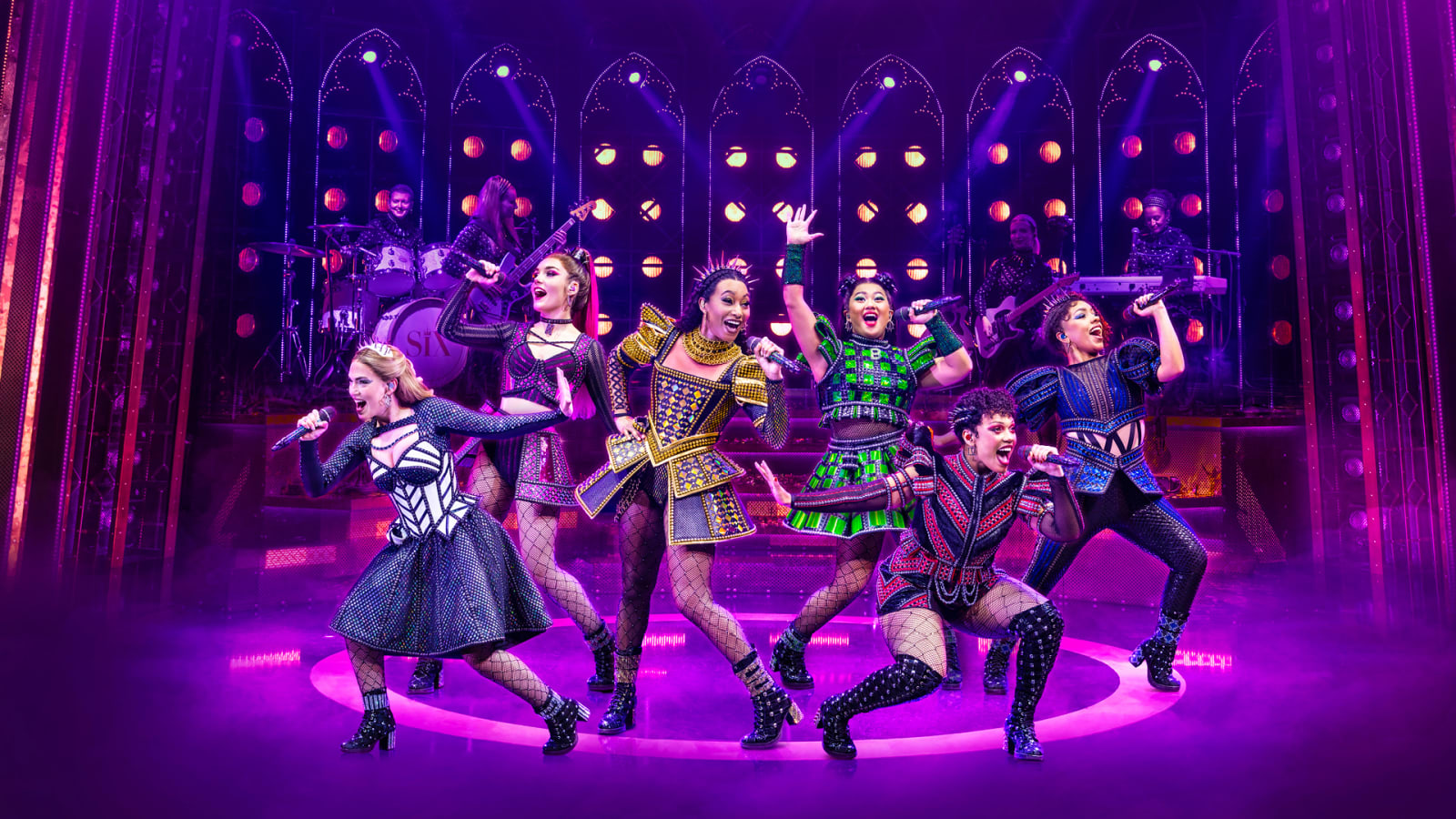
Touring

Regional theatre
Regional theatre
Bristol Hippodrome
17 December 2026 to 17 December 2026 (selected dates)

Touring

Touring
预订和客户服务由ATG Tickets提供。您预订时,我们可能会获得佣金。
The Hippodrome programmes large-scale touring musicals from the West End, opera and ballet, comedy tours, family and children's shows and an annual Christmas pantomime. The latest confirmed dates are shown in the listings on this page, and tickets are booked through the venue's official box office.
The theatre is at St Augustine's Parade, Bristol BS1 4UZ, in The Centre of the city. Its accessible entrance is around the corner on Denmark Street.
Bristol Temple Meads is about 5 minutes away by taxi, and Bristol Parkway is roughly 5 miles from the city centre with taxis and buses available. Many First Bus services stop nearby in the city centre, and the First Bus app helps with live times and tickets.
The nearest car parks are Trenchard Street, College Street and Frog Lane, with further options listed by Bristol City Council. Clean Air Zone charges may apply, and Trenchard Street is not suitable for wheelchair users.
There is no dedicated venue car park, but Blue Badge holders may park on the double yellow lines on Denmark Street and Gaunts Lane, following the relevant guidance and keeping clear of dropped kerbs. Denmark Street spaces can be restricted on the last performance of a run when lorries arrive for the get out.
The auditorium holds 1,951 people across three levels. The stage is one of the largest in Britain, which is why so many full-scale touring musicals play here.
The Denmark Street Access Entrance is stair free and there are four wheelchair spaces in the Stalls, plus two Boxes reached by a small platform lift and accessible toilets by the Piano Bar and the access entrance. There is no lift in the building, so all other levels are reached by stairs; the access line is 0333 009 5399.
It was designed by Frank Matcham for Oswald Stoll and opened on 16 December 1912, and it is now a Grade II listed building. A fire destroyed the stage in 1948, but the auditorium survived and the theatre reopened around ten months later.
布里斯托尔大剧院 hosts a rolling programme of touring productions. The current what's-on list with dates, last checked 2026-09-21, is further up this page, and tickets are sold through the venue's official box office.
布里斯托尔大剧院 is located at St Augustine’s Parade, Bristol BS1 4UZ.
布里斯托尔大剧院 has a capacity of 1,951 — small enough to feel intimate but large enough to host major productions.

World Premiere
迪士尼戏剧集团宣布,世界首演《马戏之王》舞台改编版将在2026年春季于布里斯托尔希波德罗姆剧院举行,目前正在为英国和爱尔兰地区进行演员选拔。 自1999年以来,为您呈献最优质的英国戏剧资讯。
Julia Jordan
新闻与评论

News
伊恩·麦克莱恩和约翰·毕晓普主演的《鹅妈妈》英国和爱尔兰巡演公布了新场地。 自1999年以来,为您呈献最优质的英国戏剧资讯。

Douglas Mayo
新闻与评论

News
即将到来的《邪恶》英国巡演的制作方宣布了巡演的演员阵容,巡演将于2018年1月31日在布里斯托尔希波剧院拉开帷幕。 自1999年以来,为您呈献最优质的英国戏剧资讯。
Douglas Mayo
新闻与评论