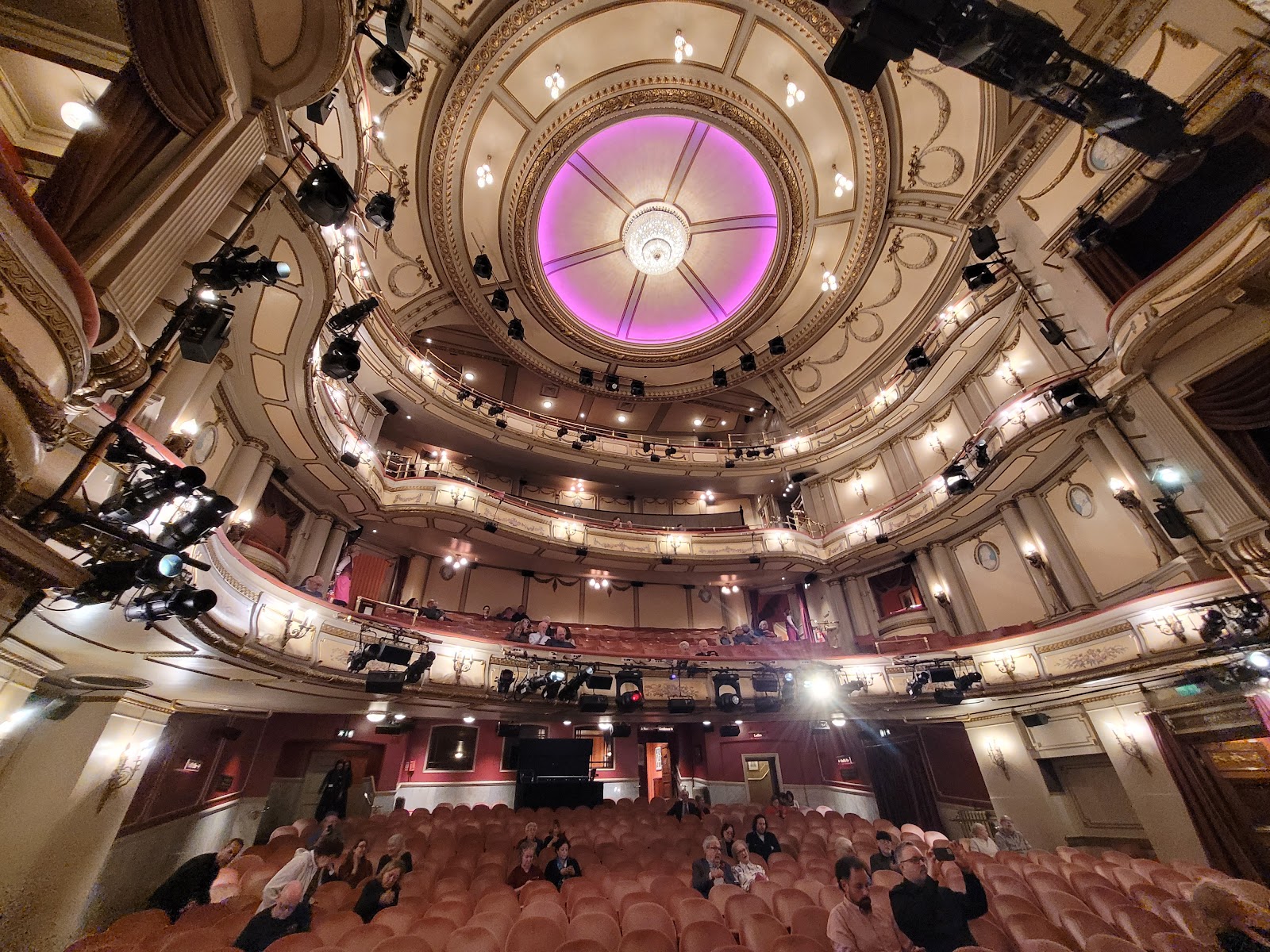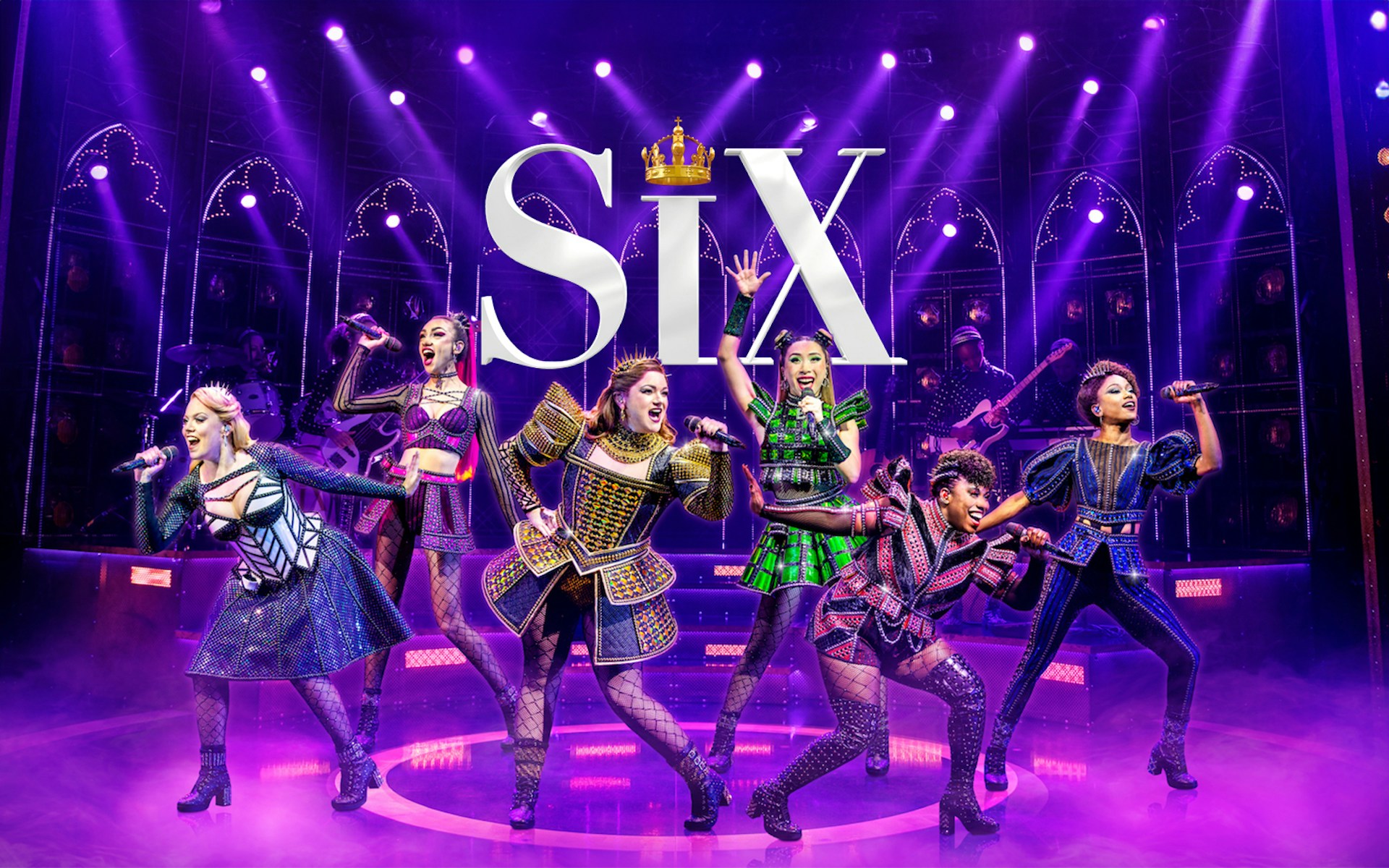
The battle over mobile phones in theatres has reached a tipping point. In one of the most talked-about theatre stories of the week, Oscar-nominated and Tony-winning star Cynthia Erivo stopped a live performance to confront an audience member who was filming, while acclaimed actress Lesley Manville has gone further still, openly declaring war on photography during shows. The incidents have reignited a fierce debate within the theatre community: is technology enriching the live experience, or is it actively destroying the very thing that makes theatre unique?
Cynthia Erivo Stops the Show to Stop the Filming
Cynthia Erivo, beloved for her powerhouse performances on both stage and screen, made headlines this week when she paused a live performance to address an audience member who was recording the show on their phone. The moment, which quickly went viral on social media, drew widespread praise from fellow performers and theatre professionals who have long struggled with the distraction of glowing screens in darkened auditoriums.
Erivo's intervention was not a rude confrontation but a firm and dignified reminder of the social contract that exists between performer and audience. When an actor is giving everything on stage, the intrusion of a camera phone can break the spell not just for the person filming, but for every other audience member nearby. The incident highlighted a growing frustration among performers who feel that their art is being diminished by the compulsion to capture and share every moment online.
Lesley Manville Takes a Stand Against Photography
The conversation intensified further when Lesley Manville, one of Britain's most respected stage and screen actresses, spoke out forcefully against audience members taking photos during performances. Manville, whose career spans decades of acclaimed work in theatre, film, and television, did not mince her words, describing the practice as disrespectful to both performers and fellow audience members.
Manville's comments resonated widely across the industry. Many actors, directors, and theatre staff have echoed her sentiments, pointing out that phone screens are not only distracting but can also pose serious issues around intellectual property and the rights of performers. When moments from a show are recorded and shared without permission, it can undermine the carefully crafted experience that a creative team has spent months, or even years, developing.
Is Technology Ruining Theatre or Helping It?
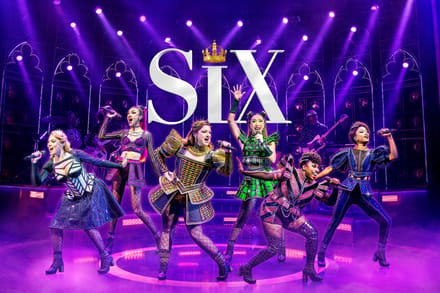
The phone debate is not entirely one-sided, however. Some within the industry argue that social media and smartphone culture have actually helped to boost theatre's profile, especially among younger audiences. A short clip shared on TikTok or Instagram can introduce a show to millions of potential ticket buyers who might never have considered visiting a theatre. The viral success of productions like Six and Hamilton, for instance, was fuelled in part by the enthusiasm of audiences sharing their experiences online.
There is also a broader accessibility argument. Some theatre-makers have experimented with relaxed performances and designated "phone-friendly" nights, recognising that rigid rules around devices can feel exclusionary to certain audiences, including younger people and those with accessibility needs who may use their phones for essential purposes.
Yet the counterargument remains powerful. Theatre is, at its core, a live and ephemeral art form. The magic of a performance lies in its unrepeatable, in-the-moment quality. When audience members are focused on capturing a moment for social media rather than experiencing it, something fundamental is lost. As many performers have pointed out, the relationship between stage and stalls is a two-way street, and it only works when both sides are fully present.
A Growing Movement Across the West End and Beyond
Erivo and Manville are far from alone in their stance. In recent years, a growing number of West End and Broadway stars have spoken out about the phone problem. Some productions have taken practical steps, with venues introducing stricter enforcement, warning announcements, and even Yondr pouches that lock phones away for the duration of a show. Cabaret at the Kit Kat Club, for example, has been praised for its immersive approach that encourages audiences to put away their devices and fully engage with the experience.
Front-of-house staff at major London venues, including the Gielgud Theatre, Old Vic Theatre, and Bridge Theatre, have reported that dealing with phone use is one of the most challenging aspects of their roles. Despite clear announcements before every performance, a persistent minority of audience members continue to film, photograph, and even take calls during shows.
The issue is particularly acute for long-running West End hits like The Lion King, Wicked The Musical, and Les Miserables, which attract large numbers of first-time and tourist theatregoers who may not be familiar with established etiquette. Producers and venue managers are continually searching for the right balance between maintaining a welcoming atmosphere and protecting the integrity of the performance.
Troubled Waters at the Bridge Theatre
This week's theatre news also touched on challenges at the Bridge Theatre, one of London's most exciting newer venues. While details remain emerging, industry commentators have noted that even the most forward-thinking venues are not immune to the pressures facing the live theatre sector, from audience behaviour to operational challenges. The Bridge has established itself as a major force in London theatre since opening in 2017, and its continued success will be closely watched by the wider industry.
Broadway Transfers and the Transatlantic Pipeline
In other news discussed this week, the flow of productions between London's West End and New York's Broadway continues to be a hot topic. Transfers in both directions have become increasingly common, with British productions finding enthusiastic audiences in New York and vice versa. Shows like Hadestown and Beetlejuice have demonstrated that the transatlantic pipeline is stronger than ever, bringing fresh creative energy to both theatre capitals.
This cross-pollination benefits audiences on both sides of the Atlantic, offering London theatregoers access to acclaimed Broadway productions and giving British shows a global platform. It also speaks to the enduring international appeal of live theatre as an art form, even as it grapples with modern challenges like the phone debate.
Could Theatre Learn From Parkrun?
One of the more unexpected discussion points this week was whether the theatre industry could take inspiration from Parkrun, the free, community-based running movement that has become a global phenomenon. The comparison may seem unlikely at first glance, but there are genuine parallels. Parkrun has succeeded by making physical activity accessible, welcoming, and community-driven, breaking down barriers to participation and fostering a sense of belonging among people of all ages and abilities.
Theatre, similarly, thrives when it is accessible and community-focused. Initiatives like discounted tickets for young people, relaxed performances, and community outreach programmes are all steps in the right direction. The Parkrun model suggests that there is enormous untapped potential in making theatre feel less intimidating and more inclusive, particularly for those who may never have set foot in a West End venue.
What This Means for Theatregoers
If you are heading to the theatre soon, the message from performers is clear: put your phone away and be present. The vast majority of theatregoers already do this instinctively, but the actions of a few can have a disproportionate impact on everyone's enjoyment. Most London theatres now have strict policies against recording and photography during performances, and front-of-house teams are increasingly empowered to intervene when rules are broken.
For those who want to share their theatre experience on social media, there are usually opportunities to take photos in the foyer, with merchandise, or outside the venue before and after the show. Many productions also offer official content and behind-the-scenes material on their social channels, giving fans plenty to engage with without disrupting live performances.
The phone debate is unlikely to be settled any time soon, but with high-profile stars like Cynthia Erivo and Lesley Manville leading the charge, the tide may finally be turning in favour of a more respectful, immersive theatre experience for everyone.
Looking for your next theatre experience? Browse our full list of shows currently playing in London, explore musicals and plays, or discover more theatre news and features on BritishTheatre.com.
Susan Novak has a lifelong passion for theatre. With a degree in English, she brings a deep appreciation for storytelling and drama to her writing. She also loves reading and poetry. When not attending shows, Susan enjoys exploring new work and sharing her enthusiasm for the performing arts, aiming to inspire others to experience the magic of theatre.
View profile and all articlesStay in the spotlight
Get the latest theatre news, reviews and exclusive offers straight to your inbox.