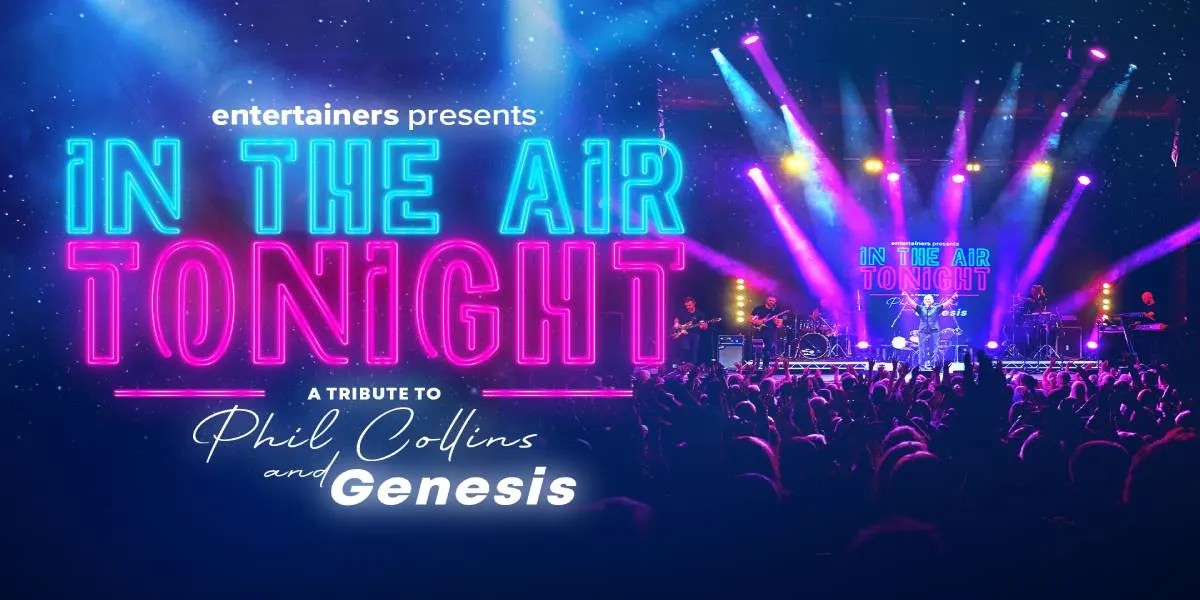
Touring
In The Air Tonight UK Tour
Cliffs Pavilion, Southend-on-Sea
Selected dates: 9 October and 10 December 2026
Venue
1 Thornton Road, Bradford BD1 2EP
Bradford Live je rozlehlé hudební a zábavní centrum v srdci Bradfordu, které se nachází na Thornton Road s výhledem na City Park, jen kousek pěšky od Bradford Interchange. Sídlí v obnovené art deco budově, kterou generace znaly jako New Victoria, Gaumont a Odeon, a znovu se otevřela v roce 2025 po dlouhé kampani a rekonstrukci s kapacitou až 4 000 míst. Provozuje ji Trafalgar Theatres a hostí zde turné kapel a sólových umělců, stand-up komedii, muzikály a divadelní hry, taneční vystoupení, klasické koncerty, filmové projekce, rodinná představení i vánoční pohádky.
Photos via Google. Attributions: Mtaylor848, CC BY-SA 4.0, via Wikimedia Commons
City
Bradford
Capacity
4,000
Current attached shows
1
Bradford Live je rozlehlé hudební a zábavní centrum v srdci Bradfordu, které se nachází na Thornton Road s výhledem na City Park, jen kousek pěšky od Bradford Interchange. Sídlí v obnovené art deco budově, kterou generace znaly jako New Victoria, Gaumont a Odeon, a znovu se otevřela v roce 2025 po dlouhé kampani a rekonstrukci s kapacitou až 4 000 míst. Provozuje ji Trafalgar Theatres a hostí zde turné kapel a sólových umělců, stand-up komedii, muzikály a divadelní hry, taneční vystoupení, klasické koncerty, filmové projekce, rodinná představení i vánoční pohádky.
The building opened in 1930 as the New Victoria, a 3,318-seat cine-variety theatre and, at the time, one of the largest cinemas in the UK. Designed by the architect William Illingworth in a Renaissance Revival style, with copper-covered cupolas answering those on the neighbouring Alhambra, it combined a huge auditorium with a ballroom and a restaurant. The auditorium worked as a cinema, concert hall and stage venue, complete with orchestra pit, Wurlitzer organ and well-regarded acoustics, and it was the first cinema in Britain purpose-built for sound pictures.
Renamed the Gaumont in 1950, it became the biggest concert venue in the north of England and a fixture on major tours. Buddy Holly played here in 1958 during his only UK tour. In 1963 The Beatles appeared at the bottom of a bill headlined by the teenage Helen Shapiro, then returned in December that year to headline two sold-out houses and again in 1964 to open a UK tour. The Rolling Stones played from 1963 to 1965, first in support and later top of the bill, Dusty Springfield appeared in 1964, and Tom Jones gave the last concert here in 1968.
In 1969 the Gaumont was reworked as the Odeon Film Centre and a Top Rank bingo club, with the circle divided into two screens and the stalls turned over to bingo. The cinema finally closed in 2000 and the building stood derelict for more than 20 years. A grassroots campaign formed in 2002 to save it from demolition, culminating in the Hug the Odeon event of 2007, when around a thousand people encircled the building.
Bradford Council acquired the building in 2013 and, the following year, awarded Bradford Live the rights to redevelop it as a flexible multipurpose venue. Demolition of the later cinema structures in 2019 revealed the full auditorium for the first time in 50 years. Construction began in 2021 with local contractor RN Wooler and Tim Ronalds Architects, a practice known for heritage work including Hackney Empire and Wilton's Music Hall. Practical completion was certified in 2024, and Bradford Live reopened in 2025, the year Bradford held the title of UK City of Culture. Heritage funding supported a series of podcasts, a four-month exhibition and a book charting the building's story from 1930 to 2000.
Train
Bradford has two railway stations. Bradford Interchange is roughly an 8-minute walk from the venue and Bradford Forster Square is roughly a 12-minute walk. Northern Trains has times and tickets for both.
Bus
Bradford Interchange is about 8 minutes on foot, and there are several bus stops close to the venue. First Bus is the main operator in the city, and the 72 between Leeds and Bradford runs 24 hours a day, seven days a week. Check First Bus for current timetables and routes.
Parking
Bradford Live does not have its own car park, but there are two large public car parks nearby: The Broadway (1,467 spaces), about 400m and a 7-minute walk away, and Leisure Exchange (997 spaces), about 700m and a 10-minute walk away. Bradford Council lists further parking options across the city centre.
Bradford Live aims to be a welcoming venue for every visitor, and its access team works on the basis that barriers can be physical, logistical, cultural or financial. The venue trains staff on an ongoing basis and works with organisations including Attitude is Everything.
Additional security checks take place on entry, so it is worth arriving earlier than usual to get in comfortably.
Touring
Cliffs Pavilion, Southend-on-Sea
Selected dates: 9 October and 10 December 2026
Thu 15 Oct 2026
Music · from £31.50
View listingFri 13 Nov 2026
Music · from £42.75
View listingTue 1 Dec 2026
Film · from £39.75
View listingThe programme spans live music, stand-up comedy, musicals and plays, dance, film screenings with live orchestra and family shows. The latest confirmed dates are listed on this page.
Bradford Live is at 1 Thornton Road, Bradford, BD1 2EP, in the city centre. It overlooks City Park and stands close to the Alhambra theatre.
Bradford Interchange is about an 8-minute walk and Bradford Forster Square about 12 minutes, with Northern Trains serving both. Buses run from the Interchange and nearby stops, and the venue is easy to reach on foot from around the city centre.
The venue has no car park of its own. The Broadway car park (1,467 spaces) is around 400m away, roughly a 7-minute walk, and Leisure Exchange (997 spaces) is around 700m away, roughly a 10-minute walk.
The venue has a capacity of up to 4,000. When it opened in 1930 as the New Victoria it seated 3,318 people.
Yes. The venue runs an Access Scheme you can register for in advance, offers a complimentary essential companion ticket for guests with access requirements subject to availability, and publishes a downloadable access information pack. Call 0343 310 0026 or email the box office to discuss your visit.
It opened in 1930 as the New Victoria, became the Gaumont in 1950 and later the Odeon, closing in 2000 and standing derelict for more than 20 years. After a long campaign and full restoration, it reopened as Bradford Live in 2025.
Tickets are sold by the venue and its operator, Trafalgar Theatres, so book through the venue's official box office. Access bookings can be made by phone on 0343 310 0026 or by email.
Bradford Live has a capacity of 4,000 — small enough to feel intimate but large enough to host major productions.
News
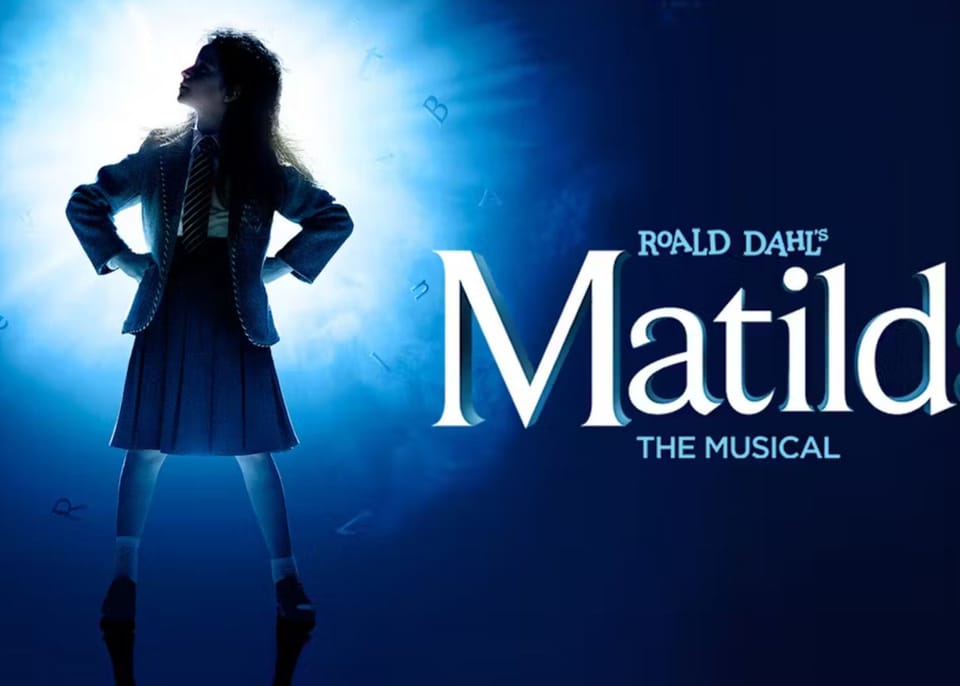
Britské a irské turné muzikálu Matilda odstartuje v divadle Leicester Curve a následně zavítá do Bradfordu, Liverpoolu, Plymouthu, Sunderlandu, Edinburghu a …
Susan Novak
Zprávy a recenze