Andrew Lloyd Webber has raised more than half a million pounds for music education in schools after selling the final bottles from his renowned private wine collection at a Christie's online auction. The sale, titled Final Treasures from the Wine Cellar of Andrew Lloyd Webber, brought in £517,910, with every single lot finding a buyer and the total exceeding pre-sale estimates by a significant margin.
All proceeds from the auction will go directly to the Andrew Lloyd Webber Programme, which is run by the Music in Secondary Schools Trust (MiSST). The programme provides free musical instruments, weekly lessons, and a classical music curriculum to students attending schools in disadvantaged areas across the UK. It is a cause that the legendary composer has championed with growing urgency, and this latest fundraising effort comes alongside pointed criticism of government inaction on music in education.
Inside the Christie's Wine Auction
The online sale proved an enormous success, achieving 134 per cent of its total estimated value. Collectors from 28 countries registered to bid, with interest spread across the globe: 59 per cent of bidders came from Europe, the Middle East, and Africa, 23 per cent from the Asia-Pacific region, and 18 per cent from the Americas.
The star lot of the auction was a trio of bottles of Domaine de la Romanée-Conti, Romanée-Conti 2005, which sold for £45,000. Close behind was a six-bottle lot of Domaine de la Romanée-Conti, La Tâche 2005, which fetched £40,000. These headline prices reflect both the extraordinary quality of Lloyd Webber's cellar and the international appetite for fine wine from notable collections.
Lloyd Webber, who has spoken openly about his past experiences with alcoholism in earlier interviews this year, described himself as "absolutely delighted" with the result. The sale represents the final chapter in the dispersal of his private collection, and it is fitting that the proceeds will be channelled into a cause so close to his heart.
The Andrew Lloyd Webber Programme: Transforming Lives Through Music
The Andrew Lloyd Webber Programme has already made a tangible difference to nearly 30,000 students across the UK. Each child who participates receives a free musical instrument and a weekly music lesson, with the programme delivered through the expertise of MiSST, which has become one of the most respected organisations in music education.
With the £517,910 raised from this latest auction, approximately 4,000 additional students will be able to join the programme. Rachel Landon, chief executive of MiSST, described the funding as arriving at a crucial moment. The charity has an ambitious target of reaching more than 50,000 students by 2028, and demand is clearly outstripping supply: more than 140 schools are currently on the waiting list.
The programme focuses on schools in areas of high deprivation, where access to music education has been disproportionately reduced in recent years. Research consistently shows that regular music tuition improves academic performance, builds confidence, supports mental health, and fosters a sense of community among young people.
Lloyd Webber's Fierce Criticism of Government Education Policy
While celebrating the auction's success, Lloyd Webber did not hold back in his assessment of how successive governments have handled music education in the UK. His comments were unusually direct and politically charged for the composer, who has long advocated for the arts in schools.
"Successive UK governments persistently refuse to invest in a programme whose proven social and financial benefit to the nation is manifest," Lloyd Webber said. He described government responses to date as "vague platitudes" and argued that promises around music education have repeatedly failed to materialise into meaningful action.
His frustration extended to the current political landscape. "I would suggest that you vote for a party that guarantees this to kids in the local elections," he continued. "But sadly I fear you won't find one on your ballot paper. It's time for everyone to say enough is enough."
The remarks reflect a broader concern within the arts sector. Over the past decade, the number of students taking GCSE Music has declined significantly in England, and many schools, particularly in deprived areas, have cut back on or entirely removed dedicated music provision. Organisations like MiSST have stepped in to fill the gap, but charities alone cannot sustain what many argue should be a fundamental part of every child's education.
Why Music Education Matters
Lloyd Webber has consistently argued that the case for music education is backed by overwhelming evidence. "The beneficial power of music education in schools has long proved to be a no-brainer," he stated. "Quite simply, music empowers young people. From academic achievement to solving social behaviour and mental health issues, the benefits to the whole community, not just the young students, are demonstrably proven."
Studies from universities and education bodies around the world support this view. Learning a musical instrument has been linked to improved concentration, better performance in maths and language skills, enhanced emotional regulation, and stronger social bonds. For children from disadvantaged backgrounds, these benefits can be transformative, providing not only skills but also a sense of identity and belonging.
The MiSST model is particularly notable for its emphasis on a full classical music curriculum, rather than one-off workshops or limited engagements. Students receive sustained, structured tuition over time, which research suggests is far more effective in delivering lasting outcomes.
Andrew Lloyd Webber's Enduring Legacy Beyond the Stage
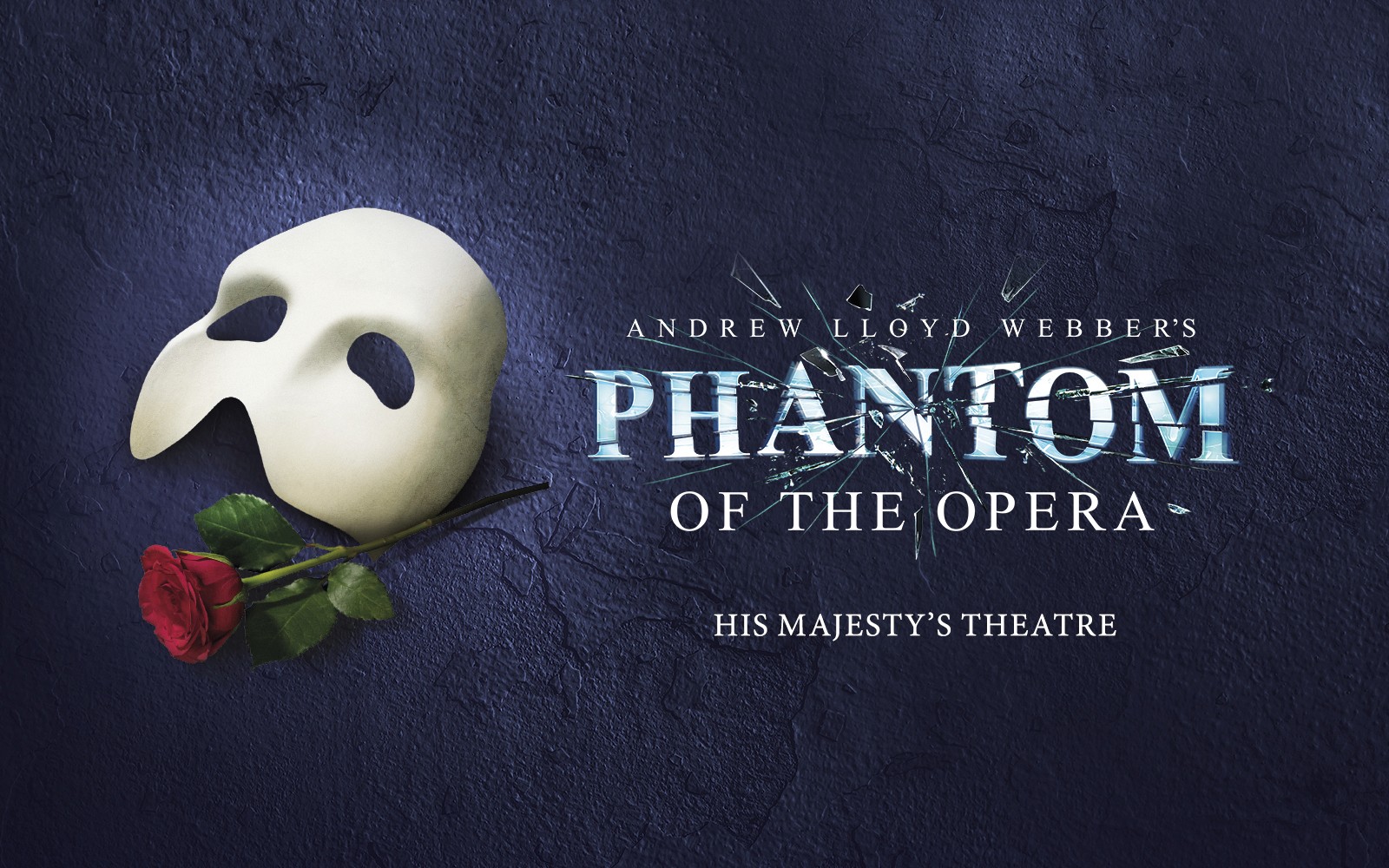
Andrew Lloyd Webber is, of course, best known as the composer behind some of the most successful musicals in theatre history. His works, including The Phantom Of the Opera, have defined the West End and Broadway for decades. His other iconic titles have filled theatres worldwide, and several continue to play to packed houses across London.
But his philanthropic work has become an increasingly prominent part of his legacy. The Andrew Lloyd Webber Foundation, established in 1992, supports the arts across the UK, with a particular focus on music education and heritage. The decision to sell his wine collection, and to direct every penny of the proceeds towards giving children access to music, speaks to a deeply personal commitment that goes well beyond financial generosity.
As MiSST works towards its 2028 target and the waiting list of schools continues to grow, the need for sustained funding and political will has never been more pressing. Lloyd Webber's auction may have closed, but his campaign for music education in every school shows no sign of slowing down.
What This Means for the Future of Music in Schools
The success of this auction is encouraging, but it also highlights an uncomfortable truth: charitable donations are filling a void that many believe should be addressed by government policy. With over 140 schools waiting to join the programme and arts funding under continued pressure, the road to universal music education in the UK remains long.
For theatre lovers and music enthusiasts, supporting organisations like MiSST, whether through donations, advocacy, or simply raising awareness, is one way to help ensure that the next generation has the opportunity to discover the arts. The young people currently benefiting from the Andrew Lloyd Webber Programme may well be the performers, composers, and audiences of tomorrow.
If you want to experience the enduring power of musical theatre, explore our full listing of current London shows, from long-running West End classics to exciting new productions. You can also browse our guides to the best musicals currently playing in London.

Susan Novak has a lifelong passion for theatre. With a degree in English, she brings a deep appreciation for storytelling and drama to her writing. She also loves reading and poetry. When not attending shows, Susan enjoys exploring new work and sharing her enthusiasm for the performing arts, aiming to inspire others to experience the magic of theatre.
View profile and all articlesStay in the spotlight
Get the latest theatre news, reviews and exclusive offers straight to your inbox.