Les Misérables is one of the defining works of the West End stage and one of the longest-running musicals in theatrical history. Since opening in London in 1985, it has played continuously in Theatreland, and the production at the Sondheim Theatre represents the latest stage in a run that has extended across four decades. This guide covers the story, the show's history, what to expect from a performance, and all the practical details for a visit.
Les Misérables is a musical adaptation of Victor Hugo's 1862 novel, with music by Claude-Michel Schönberg, French lyrics by Alain Boublil and English lyrics by Herbert Kretzmer. The London production opened at the Barbican in October 1985 under the direction of Trevor Nunn and John Caird, and transferred to the Palace Theatre before settling at the venue now known as the Sondheim Theatre, which was renamed in 2019 in honour of the American musical theatre composer Stephen Sondheim.
The production has seen many cast changes over its decades in the West End but the staging itself has remained essentially unchanged: the revolving stage, the barricade sequence, the staging of "One Day More" and the final confrontations are all preserved from the original production, which itself grew from a French concept album released in 1980.
Les Misérables follows Jean Valjean, a former convict, across several decades of nineteenth-century French history. Released after nineteen years in prison for stealing a loaf of bread, Valjean breaks his parole and assumes a new identity, becoming a factory owner and then a mayor. He is pursued throughout by Inspector Javert, a policeman of rigid moral conviction who refuses to believe that a convict can genuinely reform.
The story encompasses the July Revolution of 1830 (represented in the show as the 1832 student uprising on the barricades of Paris), the lives of those who fight and die on those barricades, and the love story between Valjean's adopted daughter Cosette and the student revolutionary Marius. The other central relationship is between Marius and Éponine, the daughter of the corrupt innkeepers the Thénardiers, who loves Marius without any hope of return.
The novel's themes of justice, mercy, redemption and the moral costs of a rigid law applied without compassion are present throughout. The show does not simplify Hugo's arguments; Javert, who pursues Valjean relentlessly, is not a villain but a man whose worldview is unable to accommodate the reality of transformation. His fate is the show's most philosophically weighty moment.
The score of Les Misérables is built almost entirely of sung-through material: there is virtually no spoken dialogue, with the story carried entirely through song and recitative. This places significant demands on the cast and creates a show whose emotional weight accumulates over the three-hour running time through the sustained power of the musical storytelling.
The songs include some of the most recognised in the musical theatre canon: "I Dreamed a Dream," "On My Own," "Bring Him Home" and "One Day More" have an independent existence outside the show and are performed widely by singers with no connection to the production. Within the show itself, these moments arrive with a dramatic context that makes them considerably more powerful than they can be in isolation.
The score's range is wide: the Thénardiers provide comic relief through "Master of the House" and their various reprises; the barricade sequences have a martial urgency; and the private moments of loss and longing that are woven through the second act give the show its emotional core.
Les Misérables runs for approximately three hours, including one interval. This makes it one of the longest productions in the West End, and the commitment it asks of the audience is real. The vast majority of audience members report that the time does not feel long; the sustained dramatic momentum of the show and the emotional investment it generates carry most audiences through the full duration without difficulty. For children or first-time theatre-goers who have not been to a long show before, preparing for the length is sensible.
The recommended age guidance is ten years and above. The show deals with themes of poverty, injustice, death and loss that are handled with emotional directness, and the barricade sequences and several deaths in the second act require some preparation for younger audience members. The comedy of the Thénardiers provides relief throughout, but the show's overall tone is serious and at times very sad. For children who are ready for that experience, it can be a powerful introduction to what theatre can do. For younger children, the age guidance is worth taking seriously.
The Sondheim Theatre is at 51 Shaftesbury Avenue, London W1D 6BA, at the centre of Theatreland, a short walk from Leicester Square and Piccadilly Circus. The building originally opened as the Queen's Theatre in 1907 and has operated as a major West End venue for most of the intervening period, with a significant closure and refurbishment in 2018-2019 that modernised the facilities while preserving the historic fabric of the building.
The theatre was renamed in honour of Stephen Sondheim in 2019, recognising both the composer's significance to musical theatre and his particular connection to the London theatre world, where many of his most important productions were produced and celebrated.
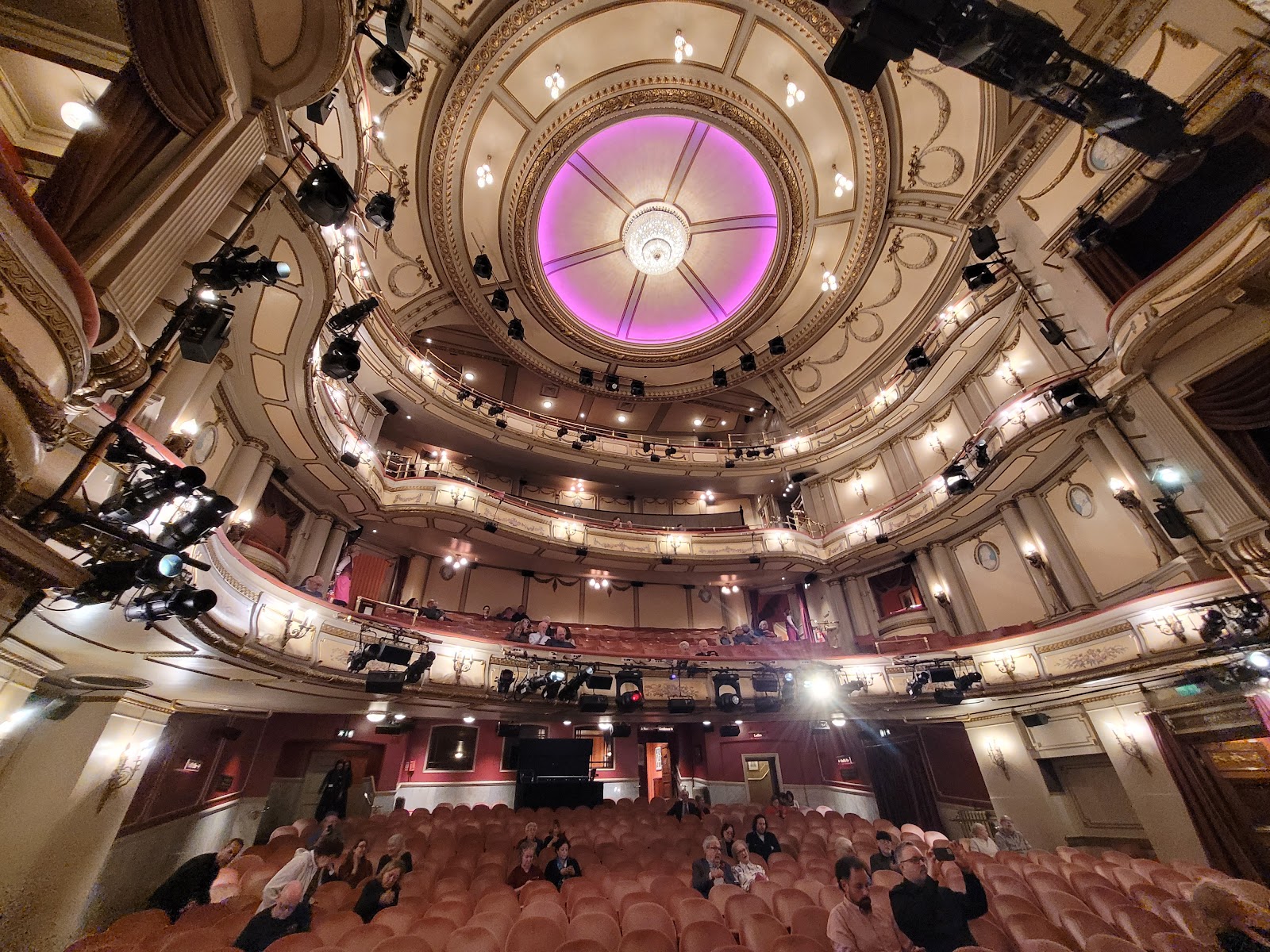
The Sondheim Theatre seats approximately 1,100 people across three levels: Stalls, Royal Circle and Grand Circle.
Stalls is the ground level and offers the closest physical proximity to the stage. The mid-Stalls central section is the strongest area of this level for Les Misérables: close enough to see the detail of the performances clearly, with a comfortable viewing angle across the full width of the stage. The very front rows involve a steeper upward view and place the audience beneath some of the scenic elements in the barricade sequences; rows D to N central are the most satisfying positions in the Stalls.
Royal Circle provides an elevated perspective that many audience members prefer for a show of this scale. The front rows of the Royal Circle central section are widely considered some of the best seats in the house: the wider sightline makes the full staging easier to take in, and the distance from the performers, while greater than the mid-Stalls, is close enough to remain engaged with the emotional detail of the performances. For Les Misérables, where the staging uses the full width and depth of the stage throughout, the Royal Circle perspective is very effective.
Grand Circle offers the widest panoramic view and represents the most accessible price point. For a show where the staging is built around spectacle and movement, the overview from the Grand Circle is often highly satisfying. Sound quality carries well to this level at the Sondheim Theatre. The seats further back in the Grand Circle increase the physical distance from the performers but retain a clear view of the full staging.
Restricted-view seats exist at the sides of several levels. For a first visit to Les Misérables, a central position in any level is strongly preferable.
By Underground: Leicester Square station (Northern and Piccadilly lines) is approximately five to eight minutes on foot. Piccadilly Circus station (Bakerloo and Piccadilly lines) is also within easy walking distance.
By bus: Several bus routes serve Shaftesbury Avenue and the surrounding streets, with stops close to the theatre.
By National Rail: Charing Cross station is approximately fifteen minutes on foot. Victoria is accessible by Underground via the District or Circle line to Embankment and a short walk.
By car: The area is within the London Congestion Charge zone. Public transport is strongly recommended.
Les Misérables occupies a distinctive position in the West End because of its scope, its running time and its sung-through format. Those who respond strongly to it often find themselves drawn to shows with a similar ambition.
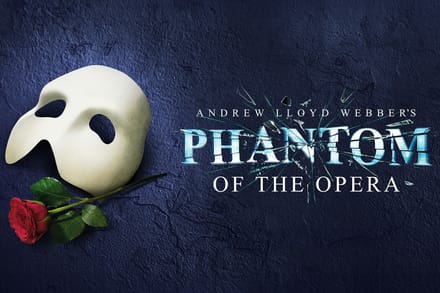
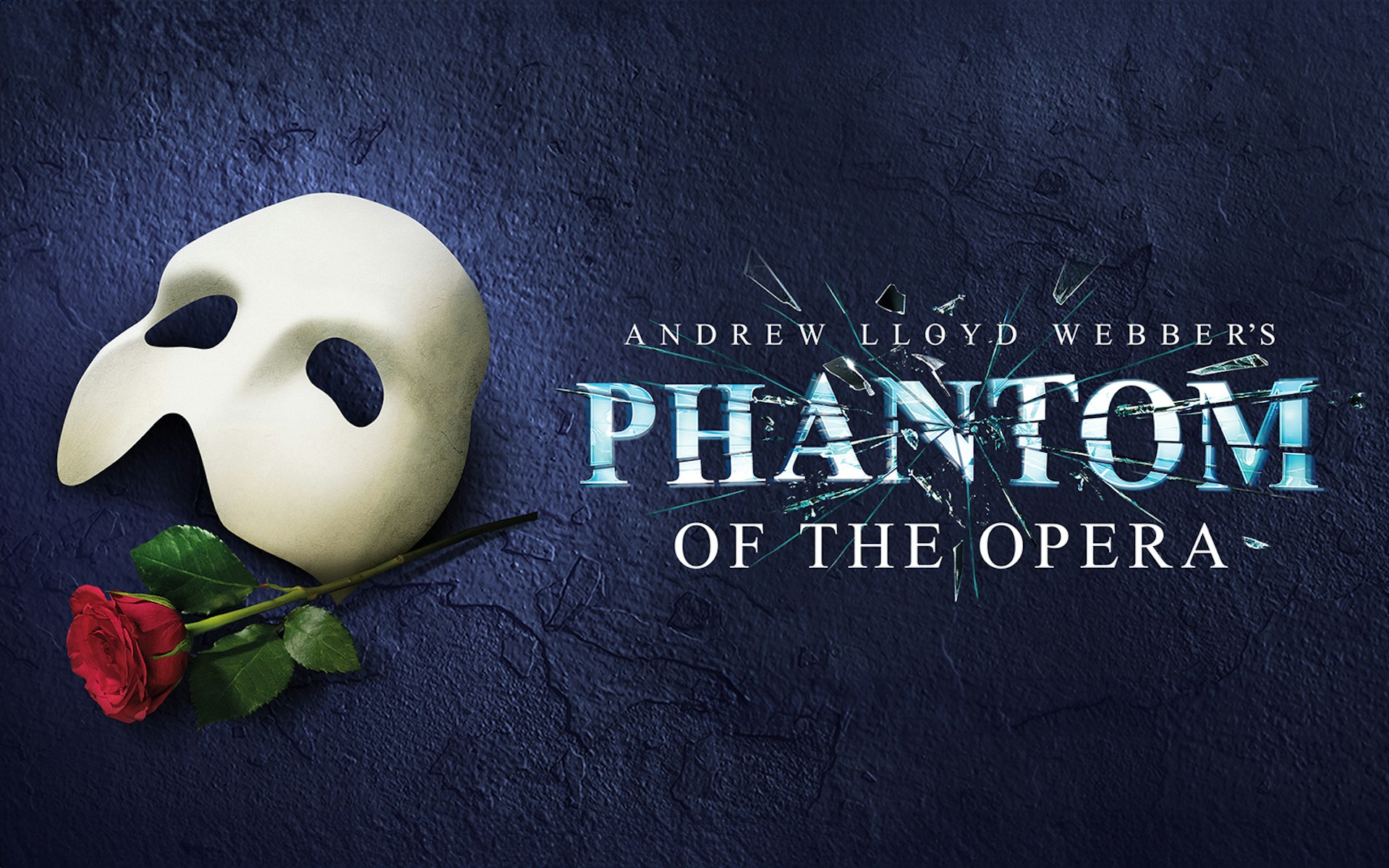
The Phantom of the Opera at His Majesty's Theatre is the closest comparison in terms of a large-scale, operatically influenced score and a central male character whose obsession drives the story. Phantom is shorter and more intimate in its focus; Les Misérables is more overtly political and sweeping in its narrative range.
Hamilton at the Victoria Palace Theatre shares with Les Misérables a quality of total immersion in a historical world, though the two shows are very different in musical language and theatrical approach.
For tickets to Les Misérables and other West End productions, tickadoo covers full availability and allows comparison across performance dates and seat levels.
How long is Les Misérables? The running time is approximately three hours, including one interval.
What age is Les Misérables suitable for? The recommended age guidance is ten years and above. The show contains scenes of death, poverty and loss dealt with directly, and the barricade sequences have significant dramatic intensity. For children under ten, parental discretion is strongly advised. For those aged ten and over, the show can be an extraordinary experience.
Where is Les Misérables playing in London? Les Misérables plays at the Sondheim Theatre, 51 Shaftesbury Avenue, London W1D 6BA.
What are the best seats for Les Misérables at the Sondheim Theatre? The front rows of the Royal Circle central section and the mid-Stalls central block (rows D to N) offer the strongest combination of clear sightlines and engagement with the performances. The Grand Circle central section is the best-value option and provides a clear panoramic view of the full staging. Browse current availability on tickadoo.
Do I need to know the story in advance? No. The show tells the story clearly from the opening, and no knowledge of Victor Hugo's novel is required. Some familiarity with the music can enhance the experience but is not necessary for a first visit.
How long has Les Misérables been running in the West End? Les Misérables opened in London in 1985 and has played in the West End continuously since then, making it one of the longest-running productions in theatrical history.
Stay in the spotlight
Get the latest theatre news, reviews and exclusive offers straight to your inbox.