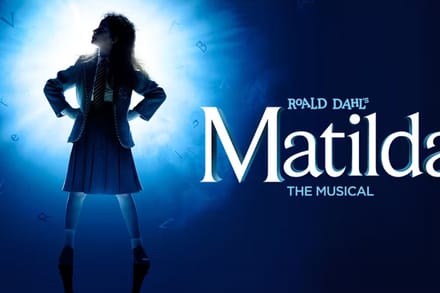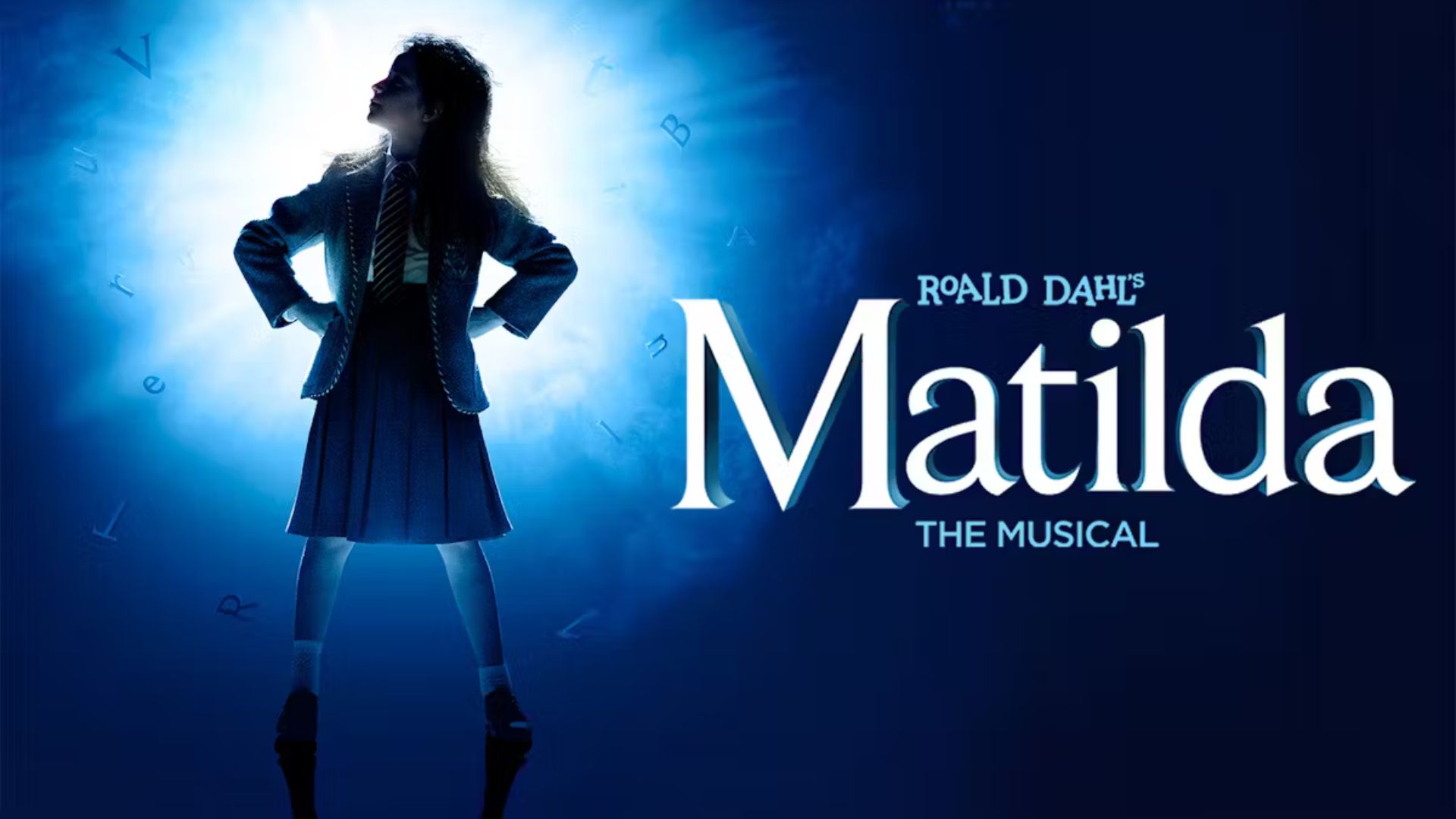
Matilda the Musical is one of the most celebrated productions in the West End, the winner of a remarkable number of awards since its premiere and a show that has established itself as one of the defining musicals of its era. Based on Roald Dahl's novel and adapted for the stage by playwright Dennis Kelly with music and lyrics by Tim Minchin, Matilda the Musical plays at the Cambridge Theatre in Covent Garden. This guide covers everything you need to know for a visit: the story, the songs, age guidance, the theatre itself, seating recommendations and practical travel information.
Matilda the Musical originated at the Royal Shakespeare Company in 2010, in a production directed by Matthew Warchus, before transferring to the West End in 2011. It won seven Olivier Awards (a record at the time) and subsequently transferred to Broadway, where it won further Tony Awards.
The show's creative partnership between Dennis Kelly (book) and Tim Minchin (music and lyrics) produced a work that was critically unusual in its fidelity to the spirit of Dahl's source material while building something genuinely new for the stage. Minchin's score does not soften the edges of Dahl's world; the Miss Trunchbull numbers have a martial ferocity, and the show's more tender moments arrive with emotional weight precisely because they are earned against a backdrop of injustice and cruelty.
The production design by Rob Howell, with letters falling from above, a classroom of children in matching uniforms and the towering physical presence of Trunchbull, has become one of the most recognised visual signatures in the contemporary West End.
Matilda Wormwood is an extraordinary child growing up in an ordinary and deeply unkind household. Her parents, Mr and Mrs Wormwood, have no interest in books or learning; her father is a dodgy second-hand car dealer more interested in watching television than in the daughter who reads voraciously and has taught herself everything she knows from the local library. In this household, Matilda's intelligence is treated as an inconvenience.
When Matilda begins attending Crunchem Hall Primary School, she encounters two figures who will define her story. Miss Honey, her class teacher, recognises Matilda's extraordinary ability and becomes the first adult in the show who treats her with genuine kindness. Miss Trunchbull, the school's headmistress, is the embodiment of all that is arbitrary and brutal about authority exercised without compassion. She punishes children for imagined offences, hurls small children across playing fields, and rules the school with a reign of organised terror.
Matilda also discovers that she has a power she cannot entirely explain: at moments of great stress or injustice, things move. Objects shift. Things fall. As the show develops, she learns to use this ability with increasing purpose.
The story's resolution brings together all these threads: Matilda's relationship with Miss Honey, the mystery of Miss Honey's past, the children of Crunchem Hall and the eventual reckoning with Trunchbull. It is a story about the power of intelligence and determination to resist authority, and about the difference between adults who use power to protect and those who use it to harm.
Tim Minchin's score is one of the defining achievements of the show and the element that has travelled furthest outside the theatre itself. The songs range across styles and registers: comic, tender, urgent and dark, sometimes within the same number.
"Naughty" is Matilda's central statement of intent, and the song that establishes the show's philosophical core. The argument of the song, that sometimes you have to be a little naughty to change the things that are wrong, is delivered with a precision and confidence that makes it the most memorable expression of the show's themes.
"When I Grow Up" is the emotional centrepiece of the first act, a number in which the schoolchildren swing on playground swings and sing about what adulthood will mean for them. The song works differently on children and adults in the audience: for children, it is about aspiration and imagined freedom; for adults, it lands with a complexity that is entirely intentional.
"Revolting Children" is the show's most exhilarating setpiece, a number that builds to a full-cast eruption of determined rebellion that functions as both climax and release. It is the moment the show has been building toward, and it lands accordingly.
Matilda the Musical runs for approximately two hours thirty minutes, including one interval. This is a manageable running time for most children above the recommended age and does not test patience in the way longer West End productions can.
The recommended age guidance is six years and above. The show deals in themes that Dahl's work characteristically handles: unkind adults, arbitrary authority, children who are ignored or mistreated, and the frightening power that adults can exercise over children's lives. Miss Trunchbull is played as a figure of genuine theatrical menace; the character's entrance and certain set-pieces are designed to provoke a strong reaction from younger audiences.
For children aged six to eight, the show is generally appropriate but parental awareness of the Trunchbull sequences is sensible. For children aged nine and above, the show is almost always a rewarding experience. Children who are already confident readers and who have met Dahl's novel before the visit will have a strong connection to the material from the opening minutes.
For adults without children, Matilda is a show of genuine artistic substance that rewards attention on its own terms. The observation of adult failure throughout the show, the sophistication of the score, and the moral clarity of the central story all give adult audiences plenty to engage with.
The Cambridge Theatre is at Earlham Street, London WC2H 9HU, in the Covent Garden area, a short walk from the main Covent Garden piazza and the surrounding streets of theatres, restaurants and shops.
The building opened in 1930, designed in an Art Deco style, and has been in continuous operation as a major West End venue since then, with various periods of renovation and refurbishment across its history. The interior retains a strong visual character from the original design: the auditorium has a distinctive warmth and the stage has been configured over the years to accommodate productions of significant scale.
The Cambridge Theatre seats approximately 1,200 people across three levels: Stalls, Royal Circle and Grand Circle.
Stalls is the ground level and offers a strong immersive experience. The mid-Stalls central section (roughly rows D to M) gives the best combination of proximity to the stage and a comfortable viewing angle. The very front rows are excellent for children who want to feel part of the world onstage, though some scenic elements are more clearly visible from a slight distance.
Royal Circle is the first balcony and provides an elevated overview that is well suited to Matilda's staging. The production makes extensive use of vertical space, with letters descending from above and staging using height throughout, and the Royal Circle perspective makes this visual dimension of the show clearer than the Stalls view. The front central rows of the Royal Circle are among the most sought-after seats in the house. The distance from the performers is greater than the Stalls, but the clarity of the full stage picture is excellent.
Grand Circle is the highest and most affordable level. The central section provides a clear panoramic view of the full staging and the sound quality carries well to this level.
Restricted-view seats exist at the sides of the Stalls and Circle levels. For a first visit to Matilda, a central position in any level is strongly preferable. The show's staging makes full use of the width of the stage, and a restricted view from the side will cut off part of the action in several key sequences.
By Underground: Covent Garden station (Piccadilly line) is approximately five minutes on foot. Leicester Square station (Northern and Piccadilly lines) is also within easy walking distance, roughly eight to ten minutes.
By bus: Several routes serve the Strand and Long Acre, with stops close to Earlham Street.
By National Rail: Charing Cross station is approximately fifteen minutes on foot.
By car: The area is within the London Congestion Charge zone. Public transport is strongly recommended.
The Lion King at the Lyceum Theatre is the most direct comparison for a family show of similar scale and reputation. The Lion King is more visually spectacular in its physical design and operates on a slightly younger age range; Matilda has a sharper literary edge and a more directly political sensibility. The two shows appeal to different strengths in a family audience.
Wicked at the Apollo Victoria Theatre shares with Matilda themes of belonging, identity and the cost of fitting in. Wicked is better suited to older children and teenagers; Matilda is the stronger choice for children in the six to twelve range.
For tickets to Matilda and to all other West End productions, tickadoo covers full availability with seat maps and pricing across all performance dates. tickadoo also covers gift vouchers if a theatre trip is intended as a present.
How long is Matilda the Musical? The running time is approximately two hours thirty minutes, including one interval.
What age is Matilda suitable for? The recommended age guidance is six years and above. The show contains a genuinely frightening villain in Miss Trunchbull, and some sequences may be intense for children at the younger end of that range. For most children aged seven and above, and for confident six-year-olds, the show is appropriate and typically very engaging.
Where is Matilda playing in London? Matilda the Musical plays at the Cambridge Theatre, Earlham Street, London WC2H 9HU.
What are the best seats for Matilda at the Cambridge Theatre? The front rows of the Royal Circle central section and the mid-Stalls central block offer the strongest combination of clear sightlines and engagement with the performances. The Grand Circle central section is the best-value option and provides a clear panoramic view. For children specifically, a central Stalls position gives the most immersive experience.
Is Matilda suitable for adults without children? Yes. Matilda is a show of genuine artistic ambition and is regularly attended by adult audiences without children. Tim Minchin's score and the show's underlying themes of power, justice and childhood are engaging for adult audiences on their own terms.
How long has Matilda been running in the West End? Matilda the Musical transferred to the West End in 2011 and has played there continuously since, making it one of the most successful productions of the modern era.
Stay in the spotlight
Get the latest theatre news, reviews and exclusive offers straight to your inbox.