The Old Vic Theatre on The Cut in Lambeth is one of the most storied and significant venues in London theatre. With a continuous history stretching back to 1818, it has been at the centre of British theatrical life across more than two centuries, and its programme has consistently occupied a position at the meeting point of artistic ambition and popular engagement. This guide covers the history of the theatre, the character of the auditorium, how to choose seats at each level, and the practical information that visitors need before arriving.
The building that houses the Old Vic opened in 1818 as the Royal Coburg Theatre, designed to bring entertainment to the working-class communities of Lambeth on the south bank of the Thames. The theatre was built at a time when the south bank of the river was a popular entertainment district, and its original programme reflected the tastes of a popular audience: melodrama, spectacle and variety rather than the serious literary drama associated with the patent theatres of Covent Garden and Drury Lane.
The theatre was renamed the Royal Victoria Theatre in 1833, in honour of the young Princess Victoria, and subsequently became known colloquially as the Old Vic. In 1880, the temperance reformer Emma Cons took over the building and transformed it into a centre for popular education and entertainment that avoided the drink-culture of the Victorian music hall. Her niece Lilian Baylis inherited the management in 1912 and began a programme of Shakespeare, opera and ballet that established the theatre's identity as a producing house of major ambition. Under Baylis's management, the Old Vic became synonymous with serious theatrical work offered at prices accessible to working-class audiences, a combination of quality and accessibility that defined its public identity for much of the twentieth century.
The theatre was the home of the Shakespeare Memorial National Theatre company before the National Theatre opened in its present building on the South Bank in 1976, and the series of productions staged at the Old Vic in the years before the National's opening represents one of the most significant chapters in British theatrical history. Directors and performers of defining importance to British theatre worked at the Old Vic during this period, and the productions of the 1950s and 1960s are still cited as benchmarks against which subsequent Shakespeare production in Britain is measured.
The Old Vic was sold by the National Theatre in 1982 and operated independently thereafter, going through periods of difficulty before a restoration project in 2003 returned the building to its current condition. Under subsequent leadership, the theatre has maintained a programme combining classic and contemporary work, typically staged in the venue's permanent repertory configuration with productions that reflect the building's historical association with accessible, high-quality theatre.
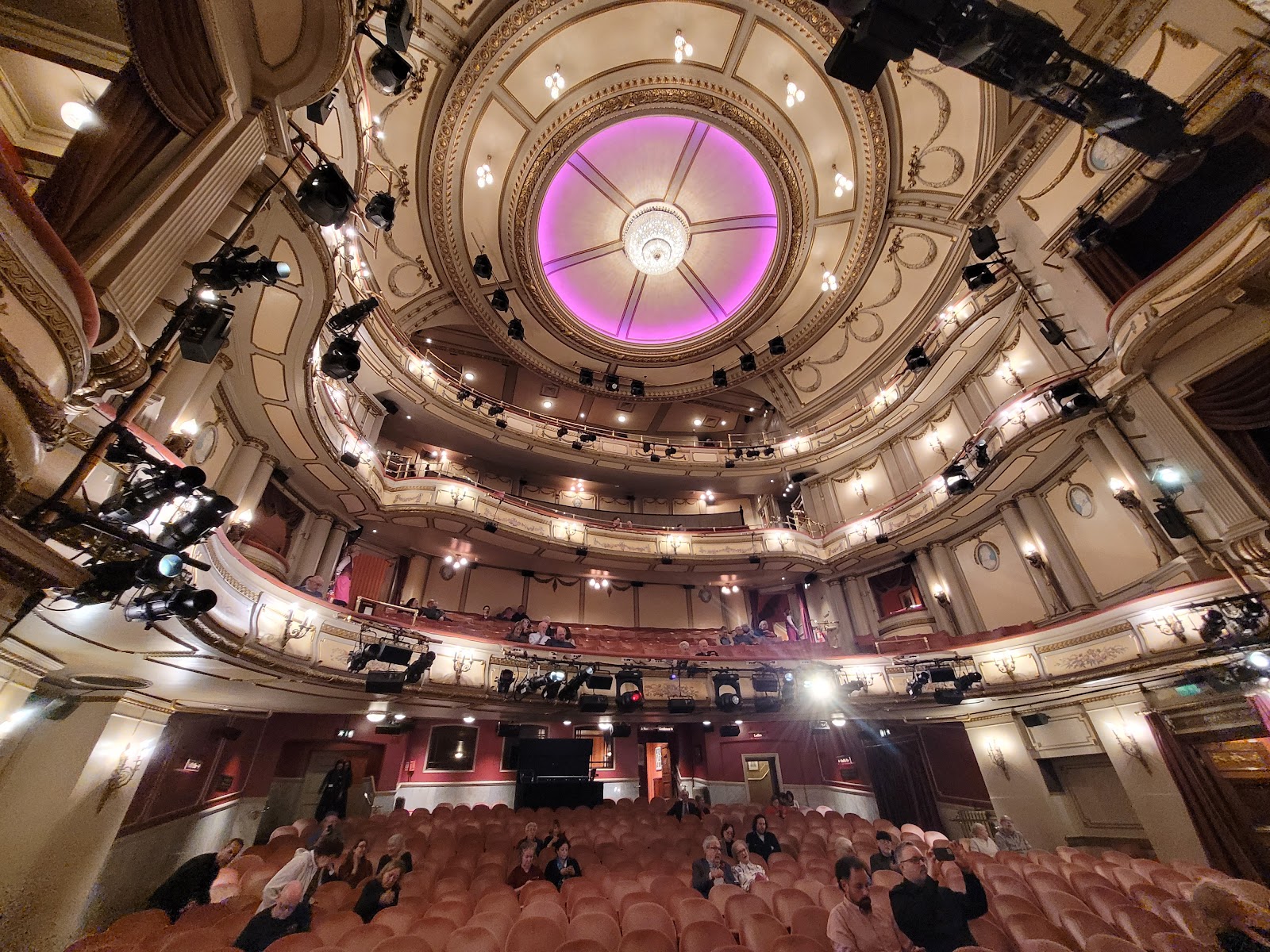
The Old Vic has a capacity of approximately 1,000 seats across three levels: Stalls, Dress Circle and Upper Circle. The auditorium is a traditional horseshoe or fan-shaped configuration, with the Stalls on the ground floor and two curved circle levels above. The physical character of the building is that of a nineteenth-century popular theatre that has been carefully restored rather than extensively rebuilt: the decorative details, the sense of enclosure created by the horseshoe shape and the relative intimacy of the configuration all reflect the building's original character.
The horseshoe format has significant implications for sightlines. In a conventional rectangular proscenium theatre, side seats at circle level can suffer from partial obstruction caused by the overhang of the level above. In the Old Vic's horseshoe configuration, the curvature of the circles means that side seats offer a fundamentally different angle on the stage rather than simply a restricted view of it: they are angled toward the stage rather than looking at it from the side. This distinction matters for how prospective bookers should think about seat selection.
The stage itself is a traditional proscenium stage with a large playing area and variable configurations possible depending on the production. The theatre's technical infrastructure supports a wide range of production approaches, from intimate drama to full-scale musicals, and the programme across any given season typically demonstrates this range.
Stalls provides the most immediate engagement with the performance. The central Stalls block, running from approximately the fourth or fifth row through to around the fifteenth, gives the best combination of proximity and full-stage sightlines. The very front rows place the audience extremely close to the action, which works well for productions that use the full depth of the stage and play directly to the front, but can mean looking upward at raised staging or losing peripheral elements of the production picture.
The mid-Stalls from rows D or E to around L or M is the most reliably strong area of the house for most productions. Audience members at this distance can see the full width of the stage with ease, hear clearly and maintain the sense of proximity that distinguishes the Stalls experience from the elevated circle levels.
Dress Circle offers the elevated overview that many regular theatregoers prefer, particularly for productions with significant staging across the full width of the stage or with dance and choreographic content. The front central rows of the Dress Circle at the Old Vic are among the most valued seats in the house: the elevation brings the complete stage picture into view, and the curvature of the horseshoe means that even seats toward the side of the Dress Circle maintain reasonable sight lines to the playing area.
The Dress Circle is the level of choice for audiences who want to see the full design and staging ambition of a production rather than being immersed in the foreground of it. For productions with significant set design, lighting effects or ensemble staging, the Dress Circle perspective often reveals more of what the creative team has done than a Stalls view from the same distance.
Upper Circle provides a complete view of the stage from a greater distance and at a higher position. At a venue with the Old Vic's capacity of around 1,000 seats, the Upper Circle is not the isolation of a comparable level at a 2,000-seat theatre: the distance is present, but the acoustic quality is adequate and the sight lines from central positions are clear. For audiences where price is the primary consideration, the central Upper Circle represents genuine value.
The Old Vic's horseshoe configuration means that side positions in the Upper Circle are angled toward the stage in a way that retains more of the picture than an equivalent lateral seat in a rectangular theatre. Restricted-view designations should still be checked carefully for any seat, but the horseshoe format generally produces fewer severely restricted positions than other configurations.
The Old Vic is on The Cut in Lambeth, close to Waterloo Station on the South Bank. The nearest Underground station is Waterloo (Bakerloo, Jubilee, Northern and Waterloo and City lines), approximately five to eight minutes on foot. The theatre is also within walking distance of Southwark station (Jubilee line), approximately ten minutes on foot.
The venue's South Bank location places it outside the main Theatreland cluster of Shaftesbury Avenue and the Strand, which means it is less easily combined with the pre-theatre dining and drink culture of the West End district. The Cut and the surrounding Waterloo and Southwark areas have a range of restaurants and bars within a short walk, and Waterloo Station itself has a range of catering options that are accessible before early-evening performances.
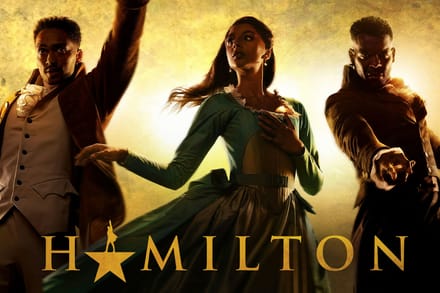
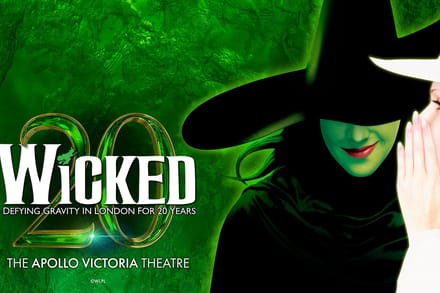
For tickets to productions at the Old Vic Theatre and across the West End programme, including long-running productions like Hamilton and Wicked, tickadoo covers the full seat inventory with an interactive seat map and pricing at all levels. The Old Vic's combination of historical significance and programme quality makes it a consistently popular venue, and central seats at Stalls and Dress Circle level book quickly for well-regarded productions. Advance booking is recommended for any production that has received significant attention. For the complete current programme across the West End and beyond, BritishTheatre.com provides full listings, and tickadoo also offers theatre gift vouchers.
What is the Old Vic Theatre? The Old Vic Theatre is a London theatre on The Cut in Lambeth with a continuous history since 1818. It has been associated with major productions of Shakespeare and new work across its history and remains one of the most significant independent theatre buildings in Britain.
Where is the Old Vic Theatre? The Old Vic is on The Cut in Lambeth, near Waterloo Station. The nearest Underground station is Waterloo, approximately five to eight minutes on foot from the theatre.
What are the best seats at the Old Vic? The mid-Stalls central block and the front central rows of the Dress Circle provide the strongest combination of proximity and clear sightlines. The horseshoe auditorium configuration means that side seats at circle level are angled toward the stage, which gives them better visibility than equivalent lateral positions in rectangular theatres.
How many seats does the Old Vic Theatre have? The Old Vic has approximately 1,000 seats across three levels: Stalls, Dress Circle and Upper Circle.
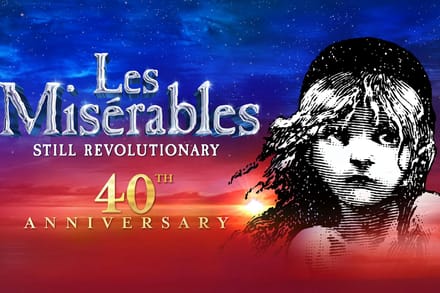
What kind of productions does the Old Vic stage? The Old Vic has a broad programme combining classic work, including Shakespeare and other established plays, with new writing and contemporary productions. The venue has historical associations with Les Misérables and other major works that originated or had notable runs in connection with the building and its producing history.
Is the Old Vic connected to the National Theatre? The Old Vic was the home of the Shakespeare Memorial National Theatre company before the National Theatre moved to its current South Bank building in 1976. It has operated independently since 1982 and is not part of the National Theatre organisation today.
Stay in the spotlight
Get the latest theatre news, reviews and exclusive offers straight to your inbox.