The Theatre Royal Haymarket is one of the oldest theatres in continuous operation in London, occupying a position in the history of British theatre that few buildings can match. The present building, designed by John Nash and completed in 1821, stands on the Haymarket street in the West End and has been presenting performances for over three hundred years in various forms on this site. For visitors to London and theatregoers planning their West End season, the Haymarket is among the most historically significant venues in the city, and its programme of high-quality plays and revivals has made it a consistent destination for those interested in drama of the more literary and star-driven variety. This guide covers the theatre's history, the auditorium, practical seating advice, getting there and what to expect from a visit.
The origins of theatre on the Haymarket site predate the current building by almost a century. The first theatre on this street was established in 1720, making the Haymarket one of the two oldest surviving theatrical sites in London's West End alongside the Drury Lane theatre a short distance away. The original building operated under a series of names and licenses, and the site's continuity as a theatrical venue across more than three centuries gives it a place in British cultural history that the newer buildings of Theatreland cannot match.
The current building dates from 1821, when John Nash, the architect responsible for much of the Regency-era development of London including the planning of Regent Street and the renovation of Buckingham Palace, designed the theatre's neoclassical facade and interior. The portico of six Corinthian columns that fronts the building on the Haymarket remains one of the most recognisable theatrical exteriors in London, and Nash's design has survived with alterations through subsequent centuries to remain largely intact as a statement of early nineteenth-century architectural ambition.
The theatre received its Royal Charter in the nineteenth century, having previously operated under various patents and licenses that governed theatrical performance in London. The designation Theatre Royal placed it in a formal relationship with the monarchy and the established order of British theatrical licensing, a status it retains in name to the present day.
Across its history, the Haymarket has been associated with significant figures of British theatrical life. Productions of Sheridan, Wilde and other major playwrights formed part of the theatre's nineteenth-century identity, and it has maintained a commitment to quality drama ever since. In the twentieth century and into the twenty-first, the Haymarket continued to attract major performers from both the British stage and international cinema, and its programming has consistently favoured classic plays, star-led revivals and new plays with literary credentials.
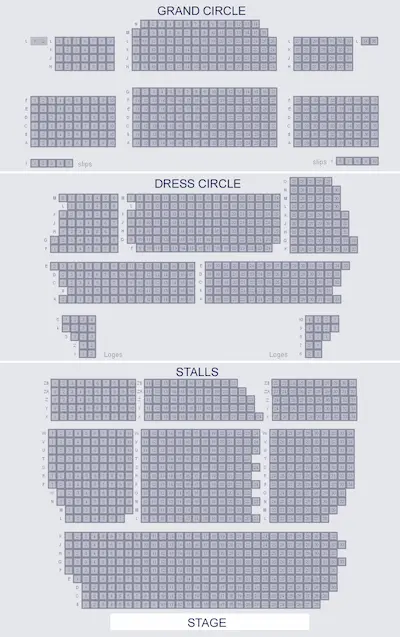
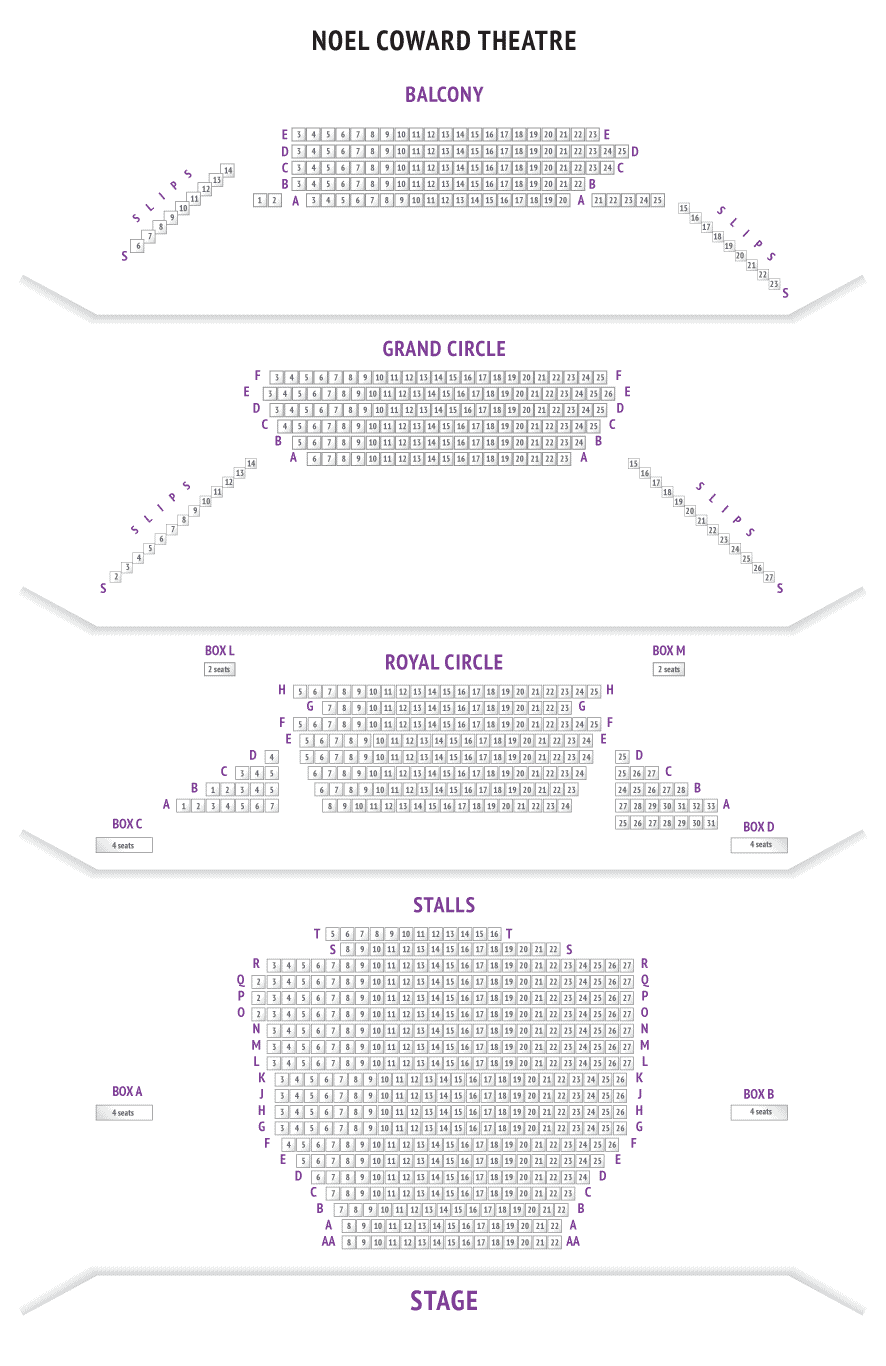
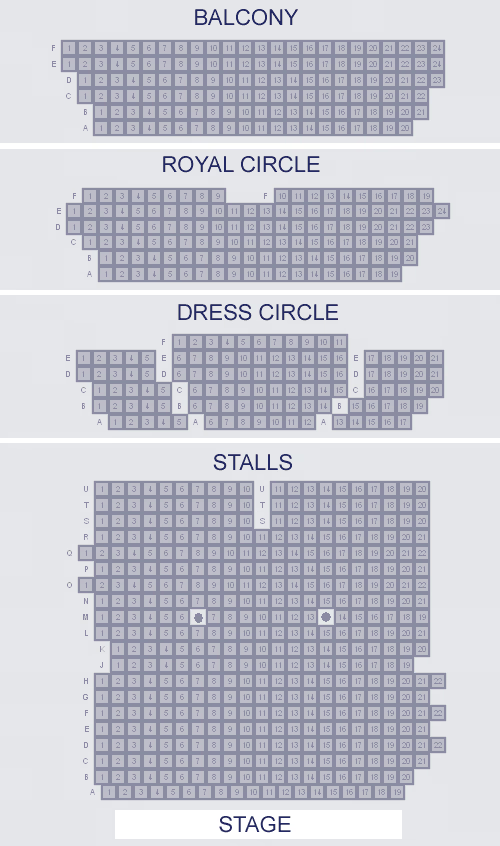
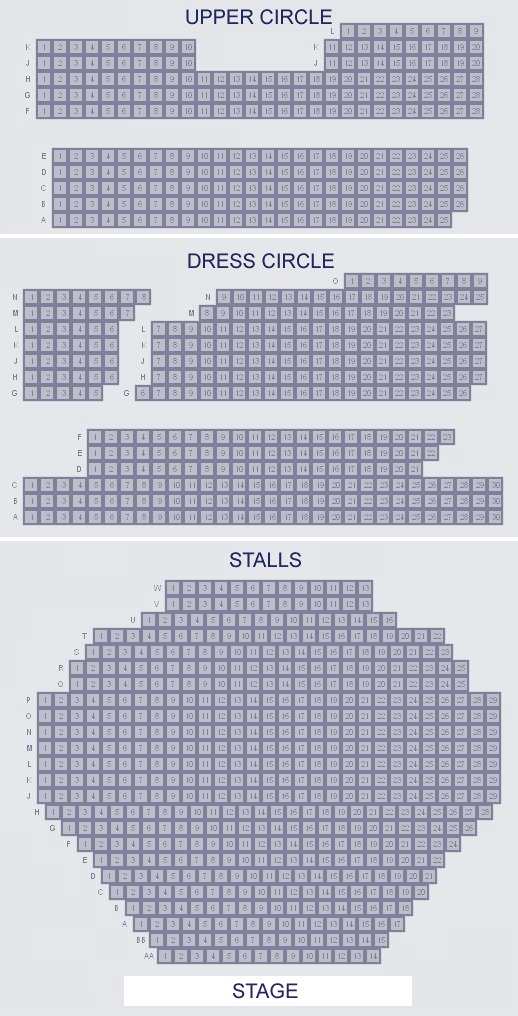
The Theatre Royal Haymarket has a capacity of approximately 890 seats arranged across three levels: Stalls, Royal Circle and Upper Circle. The auditorium's proportions reflect its nineteenth-century origins, with a relatively intimate relationship between the audience and the stage that distinguishes it from the larger commercial theatres that have been built in subsequent decades.
The proscenium arch stage is well-proportioned for drama, with dimensions that suit the kind of relatively close staging that plays, as opposed to large-scale musicals, typically employ. The fly tower above the stage provides technical flexibility, though the Haymarket's programming tends toward productions that rely more on performance and design quality than on large-scale scenic transformation. The acoustic qualities of the auditorium are generally good, benefiting from the proportions and materials of the original construction, which were designed before electronic amplification and therefore provide a natural acoustic environment that works well for spoken drama. The ornamental detail of the Circle fronts and the plasterwork give the auditorium a character that differs markedly from twentieth-century commercial theatres, and this historical atmosphere contributes to the experience of attending a performance here.
Stalls: The Stalls at the Theatre Royal Haymarket provide the closest audience experience to the stage. The central Stalls from approximately rows D to L represent the most balanced positions in the house, offering proximity to the performance while maintaining enough distance to take in the full stage picture. The front Stalls rows provide significant proximity but may require looking upward at taller staging elements. The raking of the Stalls floor is moderate and provides generally clear sightlines through the central area of the level. Side Stalls positions towards the extremes of the house can involve some angle for action staged on the far side of the proscenium.
Royal Circle: The Royal Circle is elevated to a moderate degree above the Stalls and provides a strong overview of the stage that many audience members prefer to the closest Stalls positions. The central front rows of the Royal Circle are among the most prized positions in the house, offering a clear view of the full stage width, good acoustic conditions and a perspective that suits the kind of productions the Haymarket typically stages. The Circle level allows the audience to see the full depth of the playing area, which is particularly useful in productions where staging extends deep into the stage space. Side positions in the Royal Circle can involve some restriction for action towards the far side of the stage.
Upper Circle: The Upper Circle is at a more significant height from the stage than the levels below and provides correspondingly lower-priced tickets. Central positions offer reasonable sightlines for audiences prioritising cost. The elevation creates a steeper angle of view that some audiences find more distant than they would prefer, though for productions where the full stage is in use the Upper Circle provides a complete overview of the staging. Extreme side positions should be checked for any sightline restrictions before booking.
For drama-oriented productions, which make up the majority of the Haymarket's programme, the Royal Circle front and central rows represent an excellent position: close enough to see facial expressions and hear unamplified dialogue clearly, and elevated enough to take in the full stage picture. For audiences attending their first production at the Haymarket, this level provides a strong introduction to what the building offers.
The Theatre Royal Haymarket is located on the Haymarket street in central London. The nearest Underground stations are Piccadilly Circus (Piccadilly and Bakerloo lines), approximately five minutes on foot, and Leicester Square (Northern and Piccadilly lines), approximately eight minutes on foot. Charing Cross mainline station provides connections from south London and beyond, roughly ten minutes on foot.
There is no dedicated parking at the theatre, and public transport is strongly recommended. Numerous restaurants in the St James's, Soho and Piccadilly Circus area provide pre-theatre dining options within a short walk, and booking ahead for busier nights is advisable.
The Haymarket's programme is characterised by a commitment to quality drama, star-driven revivals and well-regarded new plays that sit towards the literary end of the commercial theatre spectrum. The theatre does not typically stage large-scale musicals, and its dimensions and acoustic character suit spoken drama better than the amplified pop-influenced sound of the West End musical. This programming focus gives the Haymarket a distinct identity within the broader West End landscape: it occupies a position closer to the prestige drama end of the commercial circuit than the large musical houses that define the public image of the West End.
Revivals of classic plays, transfers from other London theatres or from subsidised sector work, and productions with significant star casting have all been part of the Haymarket's recent history. The theatre's reputation draws performers who value the building's atmosphere and the particular audience it attracts, and this creates a virtuous cycle in which the Haymarket consistently programmes work of a relatively high quality.
For audiences whose theatrical interests run more towards drama than to musical theatre, the Haymarket is one of the most reliable destinations in the West End programme. For a full picture of what is playing and when across the London theatre landscape, including productions at the Haymarket and all other venues, the current programme is listed at BritishTheatre.com.
For tickets to productions at the Theatre Royal Haymarket and across the full West End programme, tickadoo provides seat maps, pricing and availability for all major London theatre venues. Productions like Les Misérables and Hamilton represent the range of the West End programme that audiences can explore alongside a visit to the Haymarket. The complete current West End listing with full production details and booking information is at BritishTheatre.com. tickadoo also offers theatre gift vouchers.
What is the Theatre Royal Haymarket? The Theatre Royal Haymarket is a historic West End theatre on the Haymarket street in central London, with a capacity of approximately 890 seats across three levels. The current building dates from 1821 and was designed by John Nash. It is one of the oldest theatres in continuous operation in London and is known for its programme of quality drama and star-driven productions.
How old is the Theatre Royal Haymarket? Theatre has been presented on the Haymarket site since 1720, making it one of the oldest theatrical sites in London's West End. The current building opened in 1821. The theatre has been in continuous operation across three centuries, with various refurbishments and updates to maintain the building while preserving its historic character.
What kind of shows does the Theatre Royal Haymarket programme? The Haymarket programmes principally plays, including revivals of classic drama and new plays with established literary credentials. The theatre is known for star-led productions and sits towards the quality drama end of the commercial West End spectrum rather than the large-scale musical theatre that dominates much of Theatreland.
Where is the Theatre Royal Haymarket? The Theatre Royal Haymarket is on the Haymarket street in central London, close to Piccadilly Circus. The nearest Underground stations are Piccadilly Circus (Piccadilly and Bakerloo lines), approximately five minutes on foot, and Leicester Square (Northern and Piccadilly lines), approximately eight minutes on foot.
What are the best seats at the Theatre Royal Haymarket? The central front rows of the Royal Circle provide one of the strongest positions in the house for most productions, offering a clear overview of the full stage and good acoustic conditions. The central mid-Stalls from approximately rows D to L are the preferred positions at stage level, offering proximity to the performance while taking in the full stage picture.
Stay in the spotlight
Get the latest theatre news, reviews and exclusive offers straight to your inbox.