What are the greatest plays of the 21st century so far? It's a question that sparks fierce debate among theatre lovers, and a new podcast series exploring the topic has now reached the pivotal years of 2006 and 2007. These were years that reshaped British theatre in profound ways, delivering landmark productions that continue to influence what we see on stage today.
War Horse and the Revolution in Theatrical Storytelling
Any conversation about the defining theatrical works of 2006 and 2007 must begin with War Horse. Based on Michael Morpurgo's beloved 1982 novel, the National Theatre's stage adaptation became one of the most extraordinary theatrical achievements of the century. With its breathtaking life-size puppets crafted by South Africa's Handspring Puppet Company, War Horse transformed what audiences believed was possible in live performance.
The production, which premiered at the National Theatre in October 2007, told the story of a young boy named Albert and his horse Joey, set against the devastation of the First World War. What made it revolutionary was not simply the story, but how it was told. The puppeteers operated in plain sight, yet audiences found themselves emotionally investing in the puppet horses as though they were living creatures. It was a masterclass in theatrical illusion through skill rather than technology.
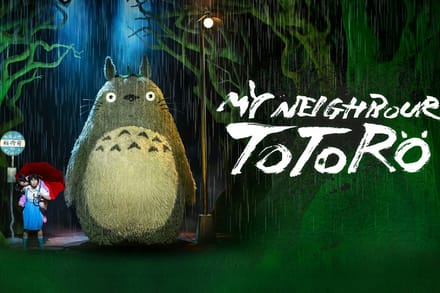
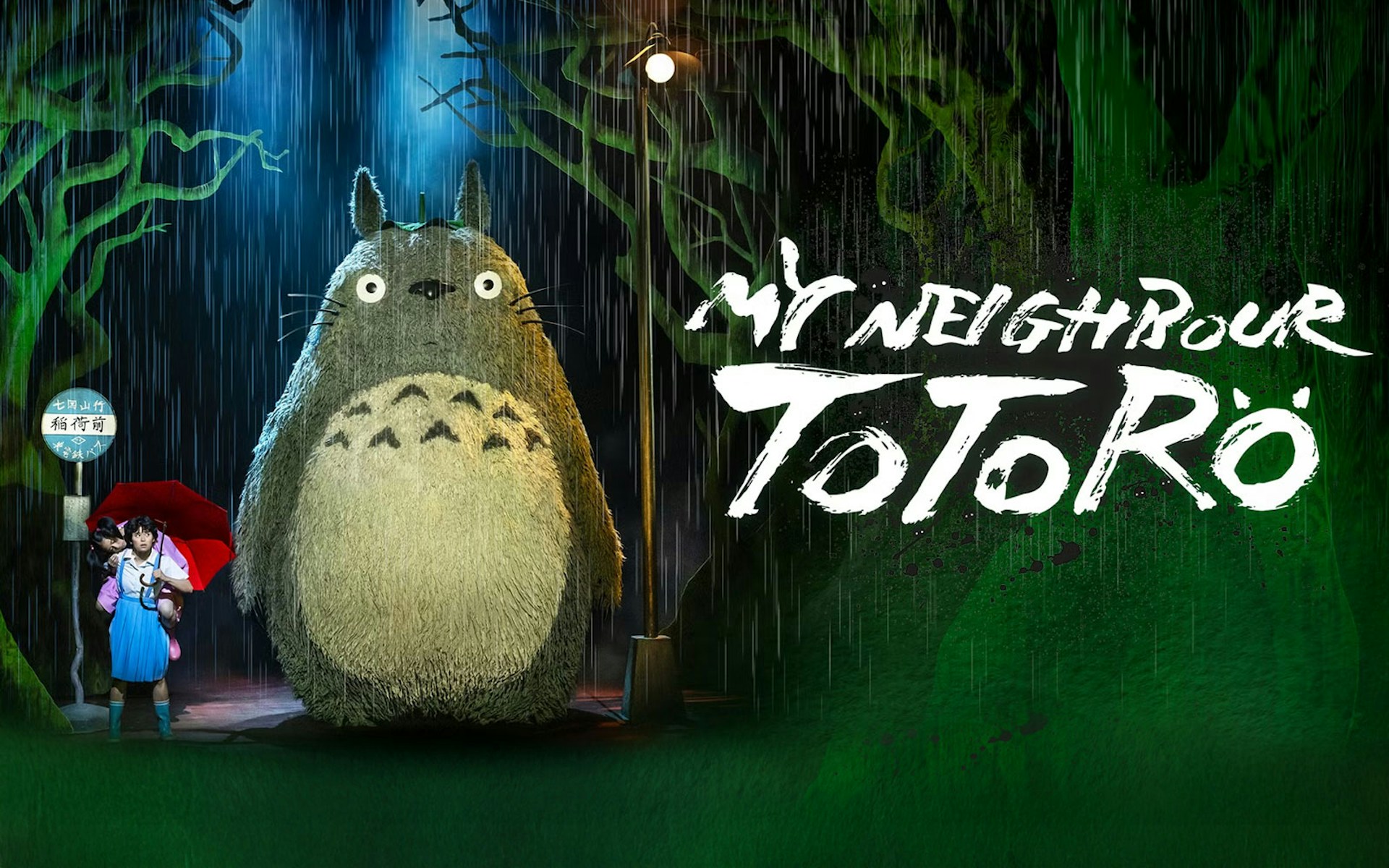
War Horse went on to become a global phenomenon, transferring to the West End and Broadway, touring internationally, and being adapted into a Steven Spielberg film in 2011. Its influence on puppet theatre and physical storytelling in mainstream productions has been immense, paving the way for shows like My Neighbour Totoro, which has brought similar large-scale puppetry magic to London audiences in recent years.
Complicité's Sublime New Work
The mid-2000s also saw the continuation of remarkable work from Complicité, the internationally acclaimed theatre company founded by Simon McBurney. Known for pushing the boundaries of theatrical form through devised, visually stunning, and intellectually ambitious productions, Complicité was at the height of its powers during this period.
The company's approach to theatre, blending physical performance, multimedia elements, and deeply researched text, represented a strand of British theatre-making that stood apart from the text-based tradition. Their work during these years reinforced the idea that a play could be much more than words on a page: it could be a sensory, immersive experience that challenged audiences to engage in entirely new ways.
This ethos continues to resonate across London's theatre landscape today. Productions at venues like the Barbican and the Bridge Theatre regularly embrace the kind of interdisciplinary experimentation that Complicité helped champion.
The Scottish New Writing Explosion
One of the most significant yet sometimes underappreciated developments of 2006 and 2007 was the surge in exceptional Scottish playwriting. Scotland's theatre scene, already rich with talent from figures like David Greig and Gregory Burke, was producing work that demanded attention far beyond Edinburgh and Glasgow.
Gregory Burke's Black Watch, which premiered at the Edinburgh Festival Fringe in 2006 under John Tiffany's direction for the National Theatre of Scotland, became one of the decade's defining theatrical events. Combining verbatim testimony, movement, music, and visceral physicality, it told the story of soldiers from the historic Black Watch regiment serving in Iraq. The production toured worldwide and won numerous awards, establishing the National Theatre of Scotland as a major force in British theatre just a year after its founding.
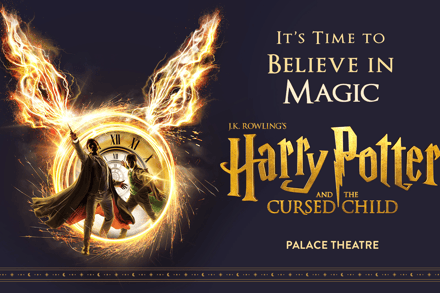
This period also saw blistering debut works from emerging Scottish writers who brought fresh perspectives, raw energy, and an unflinching honesty to their storytelling. The confidence and ambition of Scottish new writing during these years set the stage for the creative landscape that would eventually produce phenomenons like the stage adaptation of Harry Potter, directed by John Tiffany. London audiences can still see Harry Potter and the Cursed Child at the Palace Theatre.
Blistering Debuts and Fresh Voices
Beyond Scotland, the mid-2000s were a fertile period for debut playwrights across British theatre. The Royal Court Theatre, the Bush Theatre, and other new writing powerhouses were nurturing voices that would go on to define the next decade of stage writing.
This era saw playwrights arrive with work that tackled post-9/11 anxieties, the Iraq War, questions of national identity, and the shifting social fabric of modern Britain. The plays that emerged were often urgent, politically charged, and formally adventurous. They reflected a theatre industry that was beginning to embrace greater diversity of voice and style, even if there was still a long way to go.
The legacy of these debut writers is visible across today's London stages. Many of the playwrights who first broke through during 2006 and 2007 now have their work performed at major venues including the Old Vic, the Noël Coward Theatre, and the Harold Pinter Theatre.
What Actually Is a Play? The Enduring Question
One of the most thought-provoking threads running through any survey of 21st-century theatre is the fundamental question: what actually counts as a play? It is a question that the years 2006 and 2007 brought into sharp focus.
War Horse was an adaptation of a novel, realised primarily through puppetry and movement. Complicité's work was devised and multi-disciplinary. Black Watch drew on verbatim interviews and incorporated military drill sequences and live music. Were these "plays" in the traditional sense?
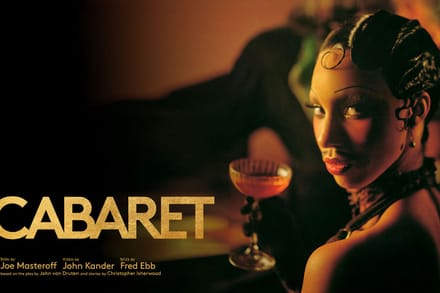
The question matters because how we define the form shapes what gets celebrated, funded, and remembered. As theatre has evolved in the 21st century, the boundaries between plays, devised work, physical theatre, musicals, and immersive experiences have blurred considerably. London audiences today can experience everything from traditional straight plays to genre-defying work like Cabaret at the Kit Kat Club at the Playhouse Theatre, which reinvents the relationship between audience and performer.
This expanding definition of what constitutes a "play" has arguably enriched British theatre enormously, encouraging innovation and welcoming new audiences who might not have felt drawn to more conventional productions.
Why These Years Still Matter
Looking back at 2006 and 2007, it is striking how many of the trends and breakthroughs from that period continue to shape what we see on London stages today. The emphasis on spectacular visual storytelling, the commitment to new writing, the willingness to challenge theatrical form: all of these have become central pillars of contemporary British theatre.
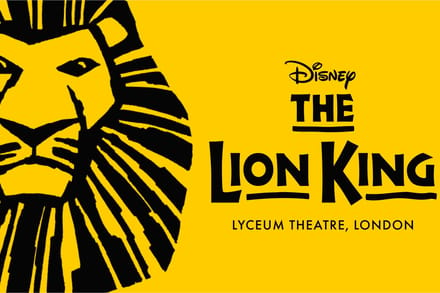
For theatregoers today, understanding this recent history enriches the experience of seeing current productions. When you watch the stunning puppetry in The Lion King at the Lyceum Theatre, or marvel at the physical storytelling in Stranger Things: The First Shadow at the Phoenix Theatre, you are witnessing the direct descendants of the theatrical innovations that defined this era.
What to See Now on London's Stages
If this exploration of the century's best plays has inspired you to get out and see some of the finest theatre currently on offer, there is no shortage of extraordinary productions playing in London right now. From long-running musicals to bold new plays and brilliant family shows, the West End and beyond continue to push boundaries in the tradition of the groundbreaking work from 2006 and 2007.
Browse our full list of shows currently playing in London, or explore our latest theatre news and features to find your next must-see production.
Susan Novak has a lifelong passion for theatre. With a degree in English, she brings a deep appreciation for storytelling and drama to her writing. She also loves reading and poetry. When not attending shows, Susan enjoys exploring new work and sharing her enthusiasm for the performing arts, aiming to inspire others to experience the magic of theatre.
View profile and all articlesStay in the spotlight
Get the latest theatre news, reviews and exclusive offers straight to your inbox.