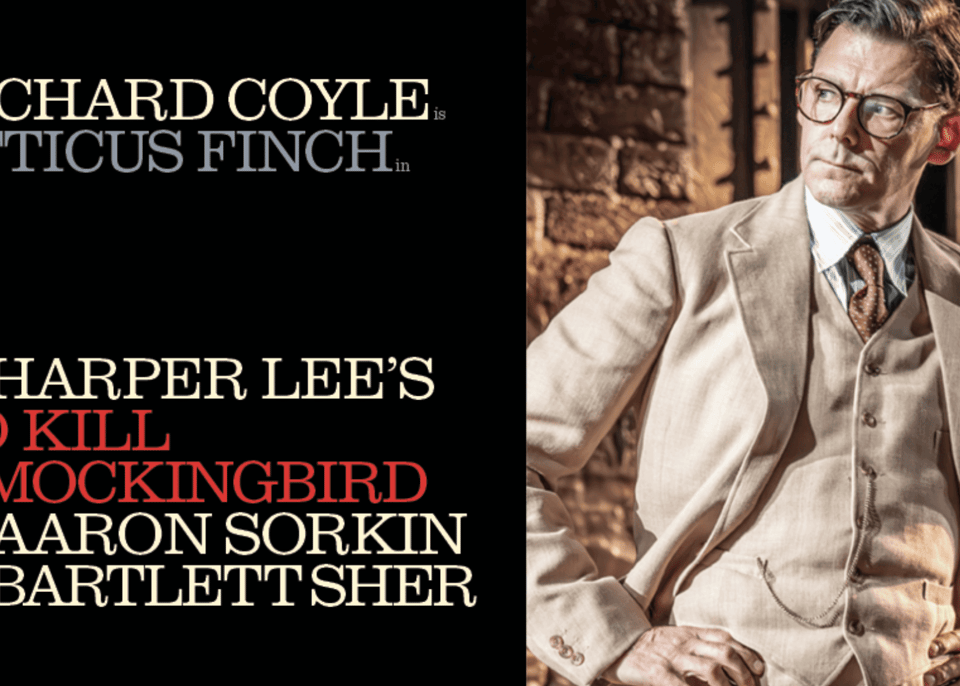
London's theatre landscape is in the midst of a fascinating tension. On one side, bold reimaginings of canonical works are filling seats and generating critical conversation. On the other, new writing, the lifeblood of any thriving theatrical culture, may be finding it harder than ever to claim space on major stages. A fresh adaptation of Ibsen's A Doll's House has reignited this long-running debate, prompting critics and industry figures to ask: are retooled classics muscling out original new plays?
The Rise of the Reimagined Classic
It's impossible to ignore the trend. In recent seasons, London audiences have been treated to a steady stream of classic plays given radical new treatments. Whether it's a gender-flipped Shakespeare, an immersive Chekhov, or a deconstructed Ibsen, producers are increasingly drawn to the commercial and critical safety net that a well-known title provides. A new version of A Doll's House, one of the most frequently revived plays in the Western canon, is the latest example of this phenomenon.
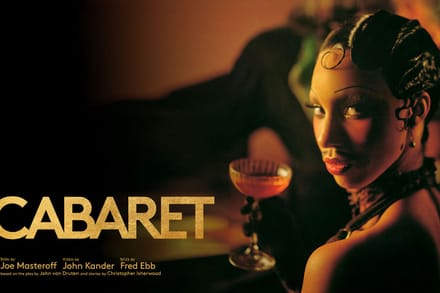
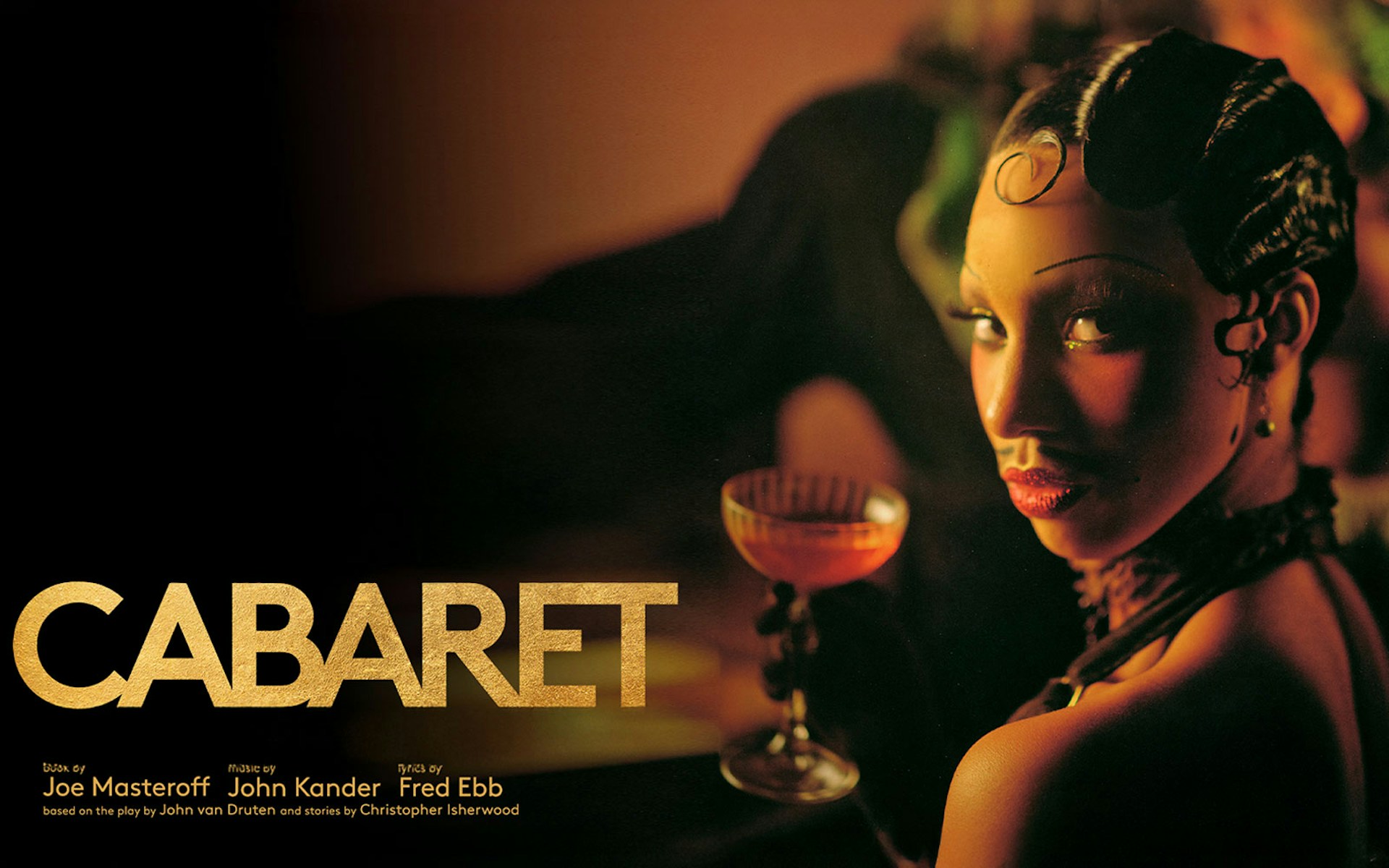
The appeal for producers is understandable. A familiar title brings built-in audience recognition, making marketing easier and reducing financial risk. For directors and adapters, these projects offer the creative challenge of finding something genuinely new within a revered text. When it works, as it did with Robert Icke's acclaimed reworking of The Wild Duck as The Doctor or the immersive staging of Cabaret at the Kit Kat Club, the results can feel as fresh and urgent as any piece of new writing.
Yet the question remains: if a significant proportion of programming slots at major theatres are filled by reimagined classics, what happens to the writers creating entirely original work?
New Writing Under Pressure
The concern isn't new, but it has become more pressing in a post-pandemic economic climate where theatres are still rebuilding audiences and managing tighter budgets. New plays, by their very nature, carry higher risk. They lack name recognition, often require audiences to take a leap of faith, and can be harder to market against a splashy revival starring a household name.
Subsidised theatres like the National Theatre, the Royal Court, and the Almeida have long championed new writing as central to their missions. But even these institutions are not immune to the commercial pressures that make a proven title attractive. When the choice is between programming an unknown writer's debut and staging a reimagined classic with a star attached, the decision can be agonising for artistic directors who care deeply about both artistic integrity and box office sustainability.
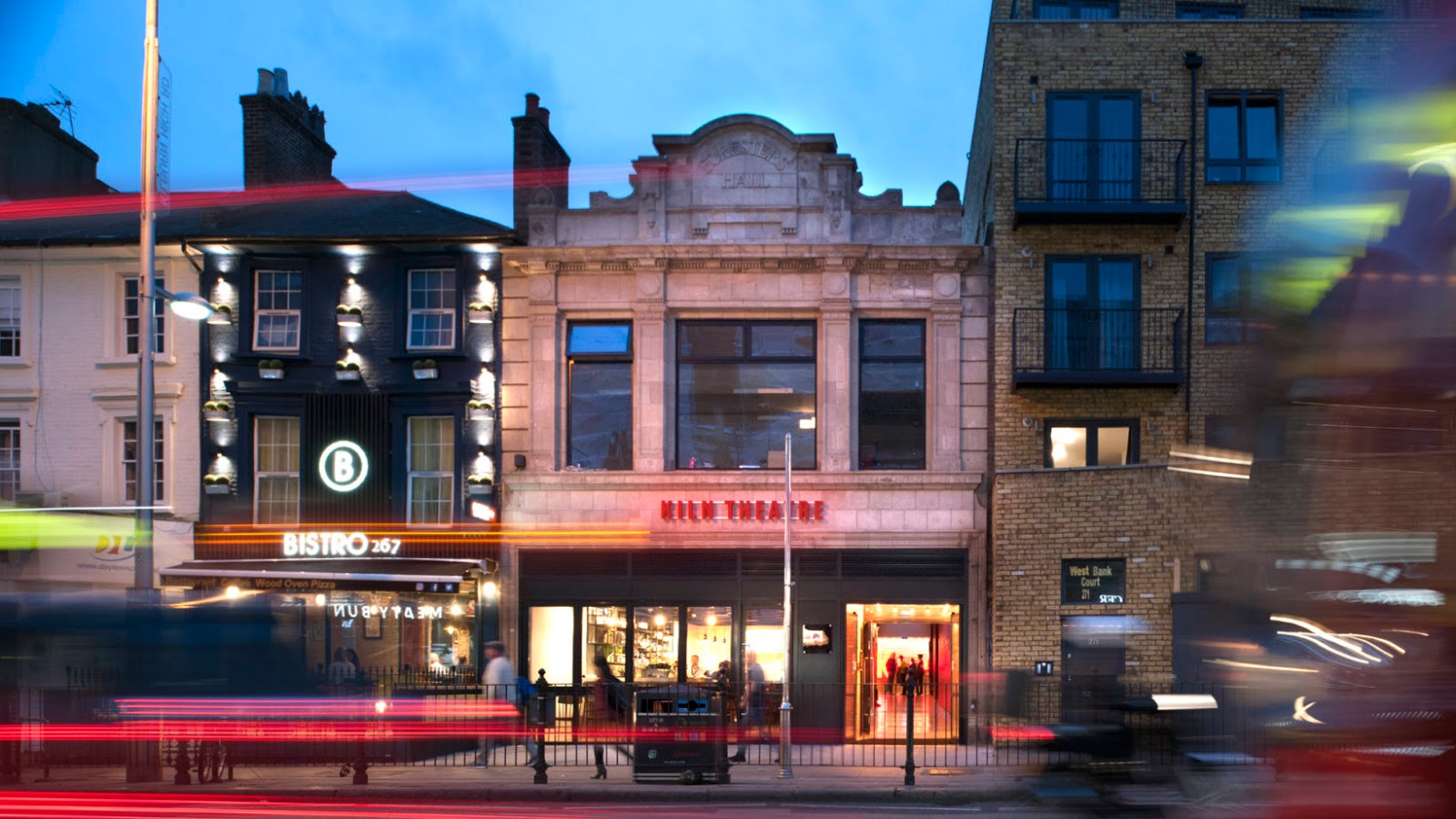
For emerging playwrights, the pipeline from fringe to main stage has always been challenging. If the mid-scale and large-scale slots are increasingly occupied by adaptations and reimaginings, the pathway narrows further. This doesn't mean new writing is disappearing, far from it. London's fringe and off-West End scene remains vibrant, and venues like the The Other Palace and the Bridge Theatre regularly champion original work. But the conversation about balance and opportunity is one the industry needs to keep having.
When Retooling Works, and When It Doesn't
It's worth acknowledging that the line between "retooled classic" and "new play" isn't always clear-cut. Some adaptations are so radical in their reimagining that they essentially become new works in their own right. Others are closer to traditional revivals with a fresh coat of paint. The quality and ambition of the retooling matters enormously.
The best reimaginings use a classic text as a springboard to say something urgent about the present. They interrogate the assumptions of the original, find new resonances, and challenge audiences to reconsider what they thought they knew. The worst are exercises in surface-level novelty, swapping costumes and settings without offering any deeper insight.
London has seen both extremes in recent years. Productions at venues like the Barbican and the Old Vic have demonstrated how a classic can feel electrifyingly contemporary when handled with intelligence and care. Meanwhile, some high-profile reimaginings have attracted criticism for prioritising concept over substance.
Thelma and Louise: A New Musical Adaptation Announced
Adding another dimension to this conversation is the recent announcement that Thelma and Louise, the iconic 1991 road movie, is being developed as a stage musical. This sits in a slightly different category from the Ibsen-style retooling, as it's an adaptation of a modern film rather than a classical play, but it's part of the same broader trend of the theatre industry reaching for pre-existing intellectual property.
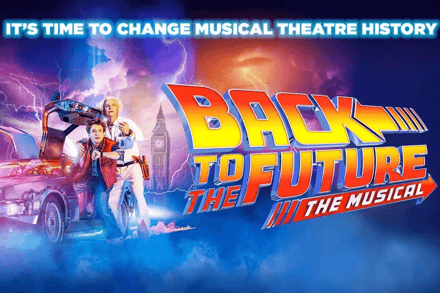
Film-to-stage musicals have become a dominant force in the West End, from Back to the Future The Musical and MJ The Musical to The Devil Wears Prada and Beetlejuice. The appeal is obvious: these titles come with massive built-in fanbases and instant brand recognition. But the artistic challenge of translating a beloved film to the stage is considerable, and the track record is mixed. For every The Lion King, which has become a theatrical institution in its own right, there are adaptations that struggle to justify their existence beyond the commercial logic.
How Thelma and Louise will work as a musical is an intriguing question. The film's power lies in its raw energy, its feminist rage, and its devastating ending. Translating that into a song-and-dance format will require tremendous skill and sensitivity. Get it right, and it could be extraordinary. Get it wrong, and it risks feeling like a cynical cash-in on nostalgia.
Reflections on the 2025 Olivier Awards
The debate about new writing versus reimagined classics gained additional texture following the recent Olivier Awards, the biggest night in the London theatre calendar. As the dust settles on this year's ceremony, it's worth examining what the winners and nominees tell us about the current state of British theatre.
The Oliviers have traditionally celebrated both new work and exceptional revivals, and this year was no exception. The ceremony highlighted the extraordinary breadth of talent working across London's stages, from intimate fringe productions to spectacular West End spectacles. Productions at venues including the Gillian Lynne Theatre, the London Coliseum, and the Theatre Royal Drury Lane were all part of the conversation.
What the Oliviers consistently demonstrate is that quality transcends categories. Whether a production is brand new or centuries old, what matters is the quality of the writing, direction, performance, and design. A brilliant new play and a revelatory reimagining of a classic can coexist on the same awards shortlist, and both can deserve to win.
Finding the Balance
The healthiest version of London theatre is one where new writing and reimagined classics exist in productive dialogue with each other. Classics provide the bedrock of the theatrical tradition, offering shared cultural reference points and demonstrating the enduring power of great dramatic writing. New plays push the art form forward, reflecting contemporary concerns and giving voice to perspectives that the canon, by definition, cannot fully represent.
The danger comes when the balance tips too far in one direction. A theatre culture dominated entirely by reimagined classics risks becoming backward-looking and creatively stagnant. A culture that only values new writing risks losing touch with the traditions that give the art form its depth and resonance.
For audiences, the practical takeaway is encouraging: London's theatre scene remains extraordinarily rich and diverse. Whether you're drawn to a radical new take on a classic text, an original new play exploring uncharted territory, or a spectacular musical adaptation of a beloved film, there's something remarkable to discover.
What This Means for Theatregoers
If this debate inspires anything, it should inspire curiosity. Next time you're booking theatre tickets, consider balancing a trip to a major West End revival with something new and unknown. Seek out original plays at smaller venues alongside the big-name productions. The writers creating tomorrow's classics need audiences today, and discovering a brilliant new play before anyone else knows about it is one of theatre's greatest pleasures.
The conversation about new writing versus retooled classics will continue as long as theatre exists. That's a sign of a healthy, self-aware industry that cares about its future as much as its past. What matters most is that London's stages remain a place where bold storytelling, in whatever form it takes, can thrive.
Browse all current London shows to find your next theatre experience, or explore our guides to the best musicals, plays, and family shows in the West End and beyond.
Susan Novak has a lifelong passion for theatre. With a degree in English, she brings a deep appreciation for storytelling and drama to her writing. She also loves reading and poetry. When not attending shows, Susan enjoys exploring new work and sharing her enthusiasm for the performing arts, aiming to inspire others to experience the magic of theatre.
View profile and all articlesStay in the spotlight
Get the latest theatre news, reviews and exclusive offers straight to your inbox.