Leeds Playhouse has placed the debate around artificial intelligence and technology centre stage with the announcement of a striking new adaptation of Mary Shelley's Frankenstein. The production, which will examine AI, creation, and humanity's role in shaping technology, forms a bold centrepiece of the first season programmed by the venue's new artistic director, Tom Wright.
Adapted by Jeff James, the revival reimagines Shelley's 200-year-old novel through a distinctly contemporary lens. Rather than dwelling on the gothic horror that has defined so many stage and screen versions, this production will connect the source material's themes of unchecked creation to the technological breakthroughs reshaping our world today, from generative AI to machine learning and beyond.
Mary Shelley's Masterwork Meets the Age of AI
Speaking at the season launch event, writer and director Jeff James described the enduring power of Shelley's story. "It is the most powerful story ever written about the fear of what the future will bring," he said. "The irony is that it's a novel from 200 years ago, and in some ways, the technology that Mary Shelley was writing about was quite quaint. We're not really afraid of electricity anymore. But even 200 years later, we still don't have technology to bring the dead back to life."
While resurrection may remain beyond our grasp, the technologies that do exist, particularly those capable of generating text, images, music, and even performance, have provoked intense discussion across the creative industries. James's adaptation appears determined to channel that anxiety and curiosity into a theatrical experience that resonates with audiences right now.
"The show becomes a history of the future, and uses Shelley's amazing story to interrogate the technologies that are keeping all of us awake at night today," James explained.
Navigating New Technology Without Losing the Human Element
For Tom Wright, programming this version of Frankenstein represents more than just an exciting creative choice. It signals a willingness to engage openly with conversations that many arts organisations are still cautiously circling.
"It is a really bold contemporary take that I think will speak to all of those questions right now about where technology is going, and also who's behind the technologies, and who the people are making the decisions that are going to impact our lives," Wright said at the launch.
Wright and Leeds Playhouse chief executive Shawab Iqbal were candid about the challenges that AI presents to the theatre sector. Both acknowledged that they are, like everyone else, trying to work out how these rapidly evolving tools will alter the creative landscape.
"We're all figuring it out live, aren't we? So we need to keep up with the conversation," Wright noted.
Iqbal echoed this sentiment, describing the decision to programme a technology-focused Frankenstein as a proactive step. "There's something really powerful and innovative around programming this version of Frankenstein and engaging in that type of debate. I see that as a positive thing," he said.
Why Theatre's Human Core Must Be Protected
Despite their openness to exploring new technology, both Wright and Iqbal were unequivocal on one point: AI must never be allowed to replace the fundamentally human art of theatre.
"We need artists in this industry. Without them, we'll close our doors," Iqbal stated firmly. "We need people and we need their ideas. That's never going to change, and there is a responsibility for us to fight for that and fight to protect that in new technology."
This dual position, combining genuine curiosity about technological possibility with a fierce commitment to protecting human creativity, is arguably the most nuanced stance any major UK theatre has taken publicly on the subject. While some organisations have issued blanket bans on AI use and others have quietly adopted it behind the scenes, Leeds Playhouse is choosing transparency and public engagement.
Wright added: "At the same time, I think our position is that we're also intrigued by what this is gonna bring, and if we can navigate it safely and correctly and ethically, then we're going to embrace that as a theatre and see what it can bring."
A Season Built on Values and Community
The Frankenstein announcement came as part of a broader season reveal that placed significant emphasis on Leeds Playhouse's core values. Wright and Iqbal spoke at length about their commitment to being a theatre of sanctuary, to nurturing new and local voices, and to representing the vibrancy of the communities they serve.
For Wright, this is his inaugural season as artistic director, and the programming choices suggest an ambition to position Leeds Playhouse as a venue where important cultural conversations happen, not just where plays are performed. By tackling AI head-on through the prism of one of literature's most famous cautionary tales, the theatre is staking out territory as a space for vital public discourse.
The choice of Frankenstein feels particularly apt. Shelley's novel has always been about the relationship between creator and creation, about the moral responsibilities that come with bringing something new into the world. In 2027, those questions feel more urgent than ever, as AI systems become capable of producing work that blurs the line between human and machine creativity.
Production Details and What to Expect
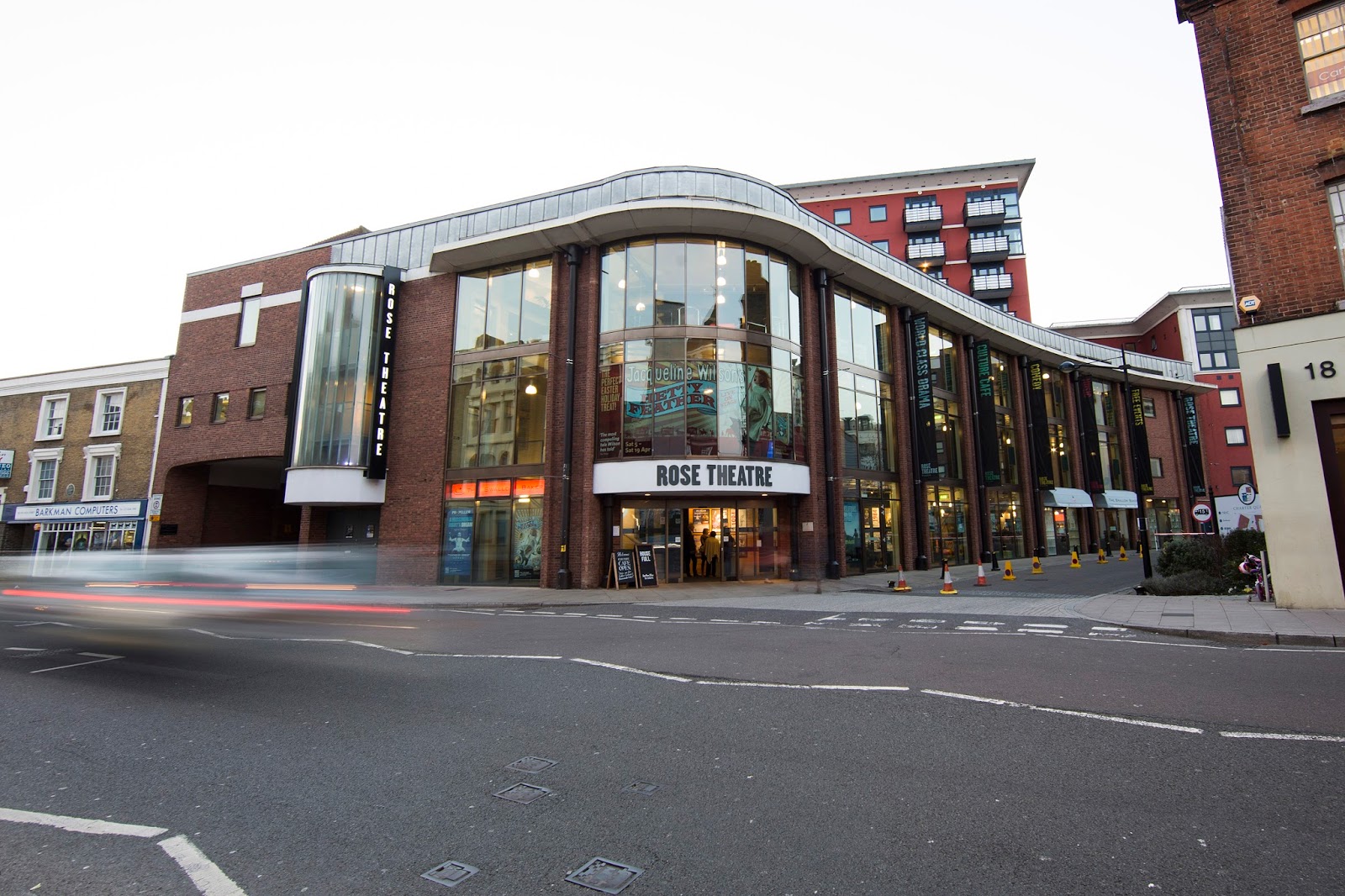
The new Frankenstein is a co-production between Leeds Playhouse and Rose Theatre Kingston, suggesting the production will enjoy a life beyond its initial run in Yorkshire. It is scheduled to play in Leeds Playhouse's Quarry theatre from 12 to 29 May 2027.
Jeff James brings considerable experience to the project. His previous work has frequently explored the intersection of technology and performance, and his approach to Shelley's text promises to be inventive and thought-provoking. The fact that the production is described as "a history of the future" suggests an expansive theatrical scope that will reach well beyond a straightforward retelling of the Frankenstein story.
Further details about the full Leeds Playhouse season are expected in the coming weeks, including casting announcements and additional programming information.
The Wider Debate: AI and the Performing Arts
Leeds Playhouse's stance arrives at a crucial moment for British theatre. Across the industry, organisations are grappling with questions about how AI tools should and shouldn't be used. From AI-generated marketing copy and set design visualisations to more controversial applications like script development and voice synthesis, the technology is already making inroads into theatrical production processes.
Several major unions, including Equity and the Writers' Guild of Great Britain, have been vocal about the need for regulation and protection of creative workers. The fear that AI could be used to cut costs by replacing human artists is a genuine concern, particularly for freelancers who make up the backbone of the UK's performing arts workforce.
What makes the Leeds Playhouse approach distinctive is the refusal to treat AI as a binary issue. Rather than simply opposing or embracing the technology, Wright and Iqbal are advocating for active, informed engagement. By putting these questions literally on stage through Frankenstein, they are inviting audiences to participate in the discussion rather than having it decided for them behind closed doors.
Should You Keep This on Your Radar?
For theatre fans interested in how the art form is evolving, Leeds Playhouse's new season, and this Frankenstein in particular, looks like essential viewing. The production promises to combine the enduring power of Shelley's story with the most pressing technological questions of our time, all while championing the irreplaceable value of live, human performance.
With a May 2027 opening, there is plenty of time to plan a trip to Leeds. Keep an eye out for casting announcements and further production details in the months ahead.
If stories that push theatrical boundaries excite you, explore our full listings of current and upcoming shows across the UK, or browse the latest plays for more thought-provoking theatre. You can also read more theatre news and features on BritishTheatre.com.
Susan Novak has a lifelong passion for theatre. With a degree in English, she brings a deep appreciation for storytelling and drama to her writing. She also loves reading and poetry. When not attending shows, Susan enjoys exploring new work and sharing her enthusiasm for the performing arts, aiming to inspire others to experience the magic of theatre.
View profile and all articlesStay in the spotlight
Get the latest theatre news, reviews and exclusive offers straight to your inbox.