Touring
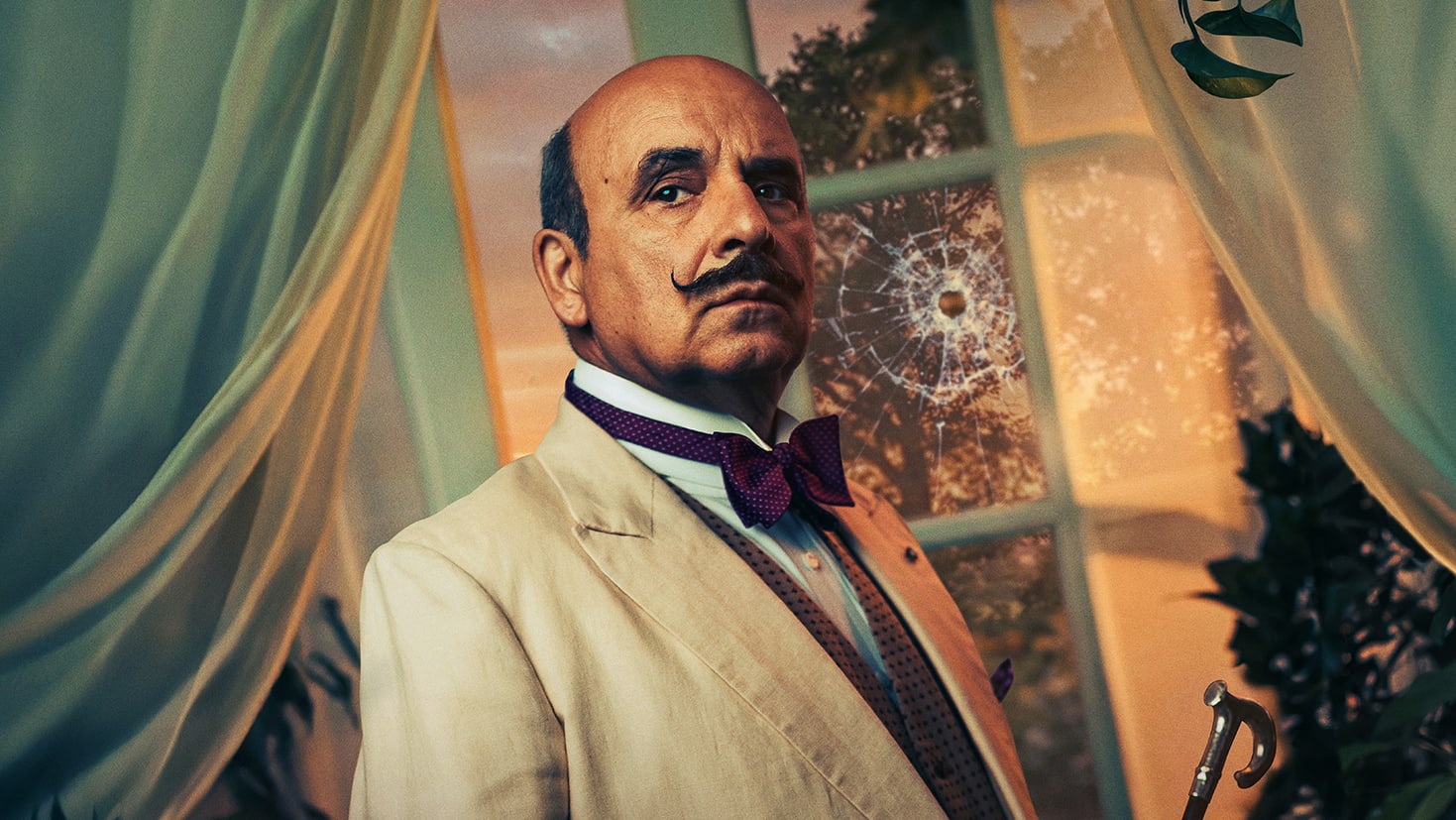
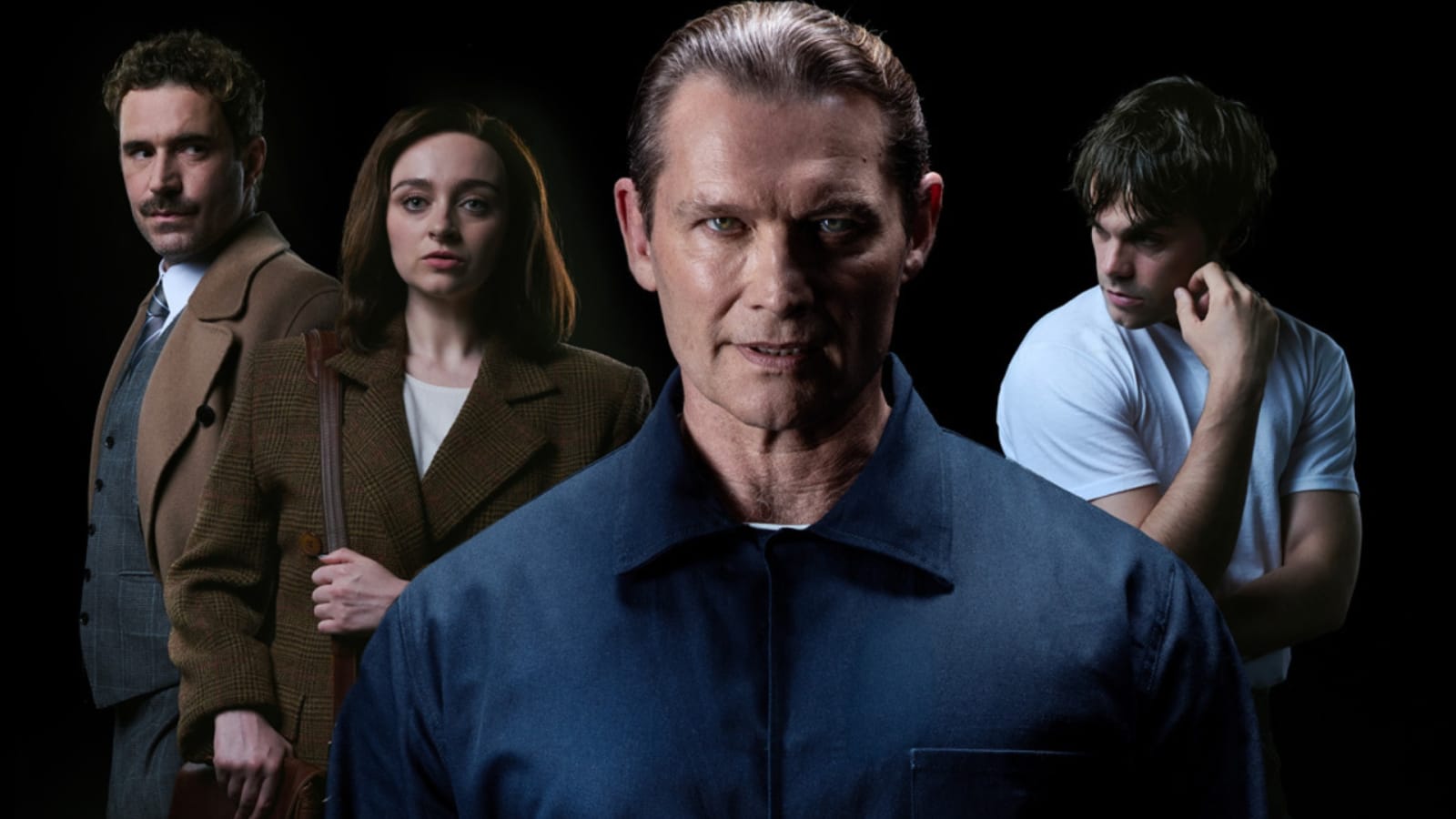
Agatha Christie's The Hollow
The Alexandra Theatre, Birmingham
12 January 2027 to 29 May 2027 (selected dates)
Venue
Cumberland Street, York YO1 9SW
Das Grand Opera House liegt an der Ecke Clifford Street und Cumberland Street im Zentrum von York, nur einen kurzen Spaziergang von den mittelalterlichen Gassen der Stadt und dem Fluss entfernt. Das denkmalgeschützte Gebäude (Grade II) begann sein Leben als Kornbörse, bevor es 1902 als Theater eröffnet wurde, und beherbergt heute Gastspiele von Schauspielen und Musicals, Oper und Ballett, Comedy, Musik sowie einzelne Vorträge. Das von ATG Entertainment betriebene Haus ist ein kompakter und charaktervoller Zuschauerraum mit Stalls, Dress Circle, Grand Circle und Logen sowie einer Bar und der Ambassador Lounge für Getränke vor der Vorstellung.
Photos via Google. Attributions: R. M. Calamar, CC BY 2.0, via Wikimedia Commons
City
York
Current attached shows
59
Das Grand Opera House liegt an der Ecke Clifford Street und Cumberland Street im Zentrum von York, nur einen kurzen Spaziergang von den mittelalterlichen Gassen der Stadt und dem Fluss entfernt. Das denkmalgeschützte Gebäude (Grade II) begann sein Leben als Kornbörse, bevor es 1902 als Theater eröffnet wurde, und beherbergt heute Gastspiele von Schauspielen und Musicals, Oper und Ballett, Comedy, Musik sowie einzelne Vorträge. Das von ATG Entertainment betriebene Haus ist ein kompakter und charaktervoller Zuschauerraum mit Stalls, Dress Circle, Grand Circle und Logen sowie einer Bar und der Ambassador Lounge für Getränke vor der Vorstellung.
The front section of the building was not built as a theatre at all. It was commissioned as a corn exchange, designed by George Alfred Dean in the Italianate style, built in red brick and officially opened on 28 October 1868. Its asymmetrical frontage faced Clifford Street, with a run of linked round-headed windows at first floor level and a main hall measuring 74 feet by 63 feet. Trade dwindled during the agricultural depression of the late nineteenth century, and the building's days as an exchange were numbered.
In the early years of the twentieth century William Peacock bought the corn exchange along with a warehouse directly behind it. At a cost of £24,000 and to designs by John Priestley Briggs, the two were knitted together as a music hall with a raked auditorium, proscenium arch and stage. It opened as the Grand Theatre and Opera House on 20 January 1902 with a pantomime, Little Red Riding Hood, starring Florrie Forde, and was renamed the Grand Opera House and Empire Theatre in 1903 in a bid to widen its appeal. Over the decades the stage saw performers including Charlie Chaplin, Laurel and Hardy, Morecambe and Wise, Dame Judi Dench and Sir Ian McKellen.
Silent films were shown from early on, and the theatre became simply the Empire Theatre in 1916. FJB Theatres, the business of Frederick Butterworth, bought it in 1945 and closed it in 1956, blaming the Entertainment Tax. Ernest Shepherd, whose offices were in the Shambles, took it on in 1958 and renamed it the S. S. Empire, standing for Shepherd of the Shambles. He stripped out the raked seating and the stage so the space could serve as a bingo hall and roller skating rink, a role it kept until closure in 1985.
Rescue came in 1987, when the India Pru Company bought the building and spent £4 million putting back the raked seating and the stage. It reopened as the Grand Opera House on 26 September 1989 with a production of Macbeth. Financial trouble forced a brief closure in 1991 before the theatre returned in 1993, and in November 2009 it was bought by the Ambassador Theatre Group as part of a wider deal. The building is Grade II listed.
Train
York railway station is the nearest, within about 15 minutes' walk of the theatre.
Bus
Many bus routes stop close to the theatre, including York Park and Ride services. The Park and Ride does not always run a late evening service, so check the operator's website before booking an evening show.
Parking
There is no theatre car park. Q-Park works with ATG customers to offer a 15% discount on parking booked in advance through the ATG Q-Park page. Blue Badge holders can find details of accessible spaces in City of York Council car parks on the council's city centre disabled access pages.
The auditorium is arranged over three levels plus boxes. Seat widths average from 41cm to 43cm in the Stalls and Dress Circle and from 38cm to 41cm in the Grand Circle, and every seat has fixed arms.
The ground level and the only part of the theatre with step-free access, via the King Street entrance. This is the recommended area if you want a close view of the stage, if you have a visual impairment, or if you are attending a BSL signed performance, where the front middle Stalls work best. All six wheelchair spaces are here.
The first balcony, reached by stairs. Seat widths match the Stalls, and the raised angle gives a clean sightline over the whole stage picture, which suits musicals and dance.
The upper level, again by stairs only and with slightly narrower seats. It is the highest, good for comedy and concerts where you want to take in the room as well as the stage.
Side boxes give a distinctive, more private perch. Boxes E and F have larger free-standing chairs with fixed arms.
Tip: because there is no lift, check the number of steps to your chosen level on the online seat plan before you book, and choose the Stalls if stairs are difficult.

The theatre is committed to making live performance accessible, and access seats and services should be requested when you book.
Touring
The Alexandra Theatre, Birmingham
12 January 2027 to 29 May 2027 (selected dates)

Touring
Touring
Touring

Touring

Touring
Manchester Opera House
17 November 2026 to 20 February 2027 (selected dates)

Regional theatre

Regional theatre

Touring

Regional theatre

Regional theatre
Grand Opera House, York
16 October 2026 to 24 October 2026 (selected dates)
Touring
Grand Opera House, York
22 January 2027 to 11 March 2027 (selected dates)

Touring
Grand Opera House, York
17 October 2026 to 20 November 2026 (selected dates)

Touring

Touring

Touring
Touring
The Alexandra Theatre, Birmingham
11 March 2027 to 11 September 2027 (selected dates)

Touring

Regional theatre

Regional theatre
Grand Opera House, York
12 November 2026 to 12 November 2026 (selected dates)

Touring
Princess Theatre, Torquay
25 September 2026 to 16 June 2027 (selected dates)

Regional theatre
Grand Opera House, York
9 April 2027 to 17 April 2027 (selected dates)

Touring
Touring
The Alexandra Theatre, Birmingham
23 April 2027 to 3 July 2027 (selected dates)

Regional theatre
Grand Opera House, York
13 November 2026 to 13 November 2026 (selected dates)

Touring
Theatre Royal Brighton
27 September 2026 to 17 June 2027 (selected dates)

Regional theatre
Touring
Theatre Royal Glasgow
10 November 2026 to 9 October 2027 (selected dates)

Regional theatre
Grand Opera House, York
23 November 2026 to 28 November 2026 (selected dates)

Regional theatre

Touring

Touring
Grand Opera House, York
19 January 2027 to 19 April 2027 (selected dates)

Touring

Touring
Leas Cliff Hall, Folkestone
15 November 2026 to 17 November 2026 (selected dates)

Touring

Regional theatre

Touring
Touring

Touring

Touring
Touring
Milton Keynes Theatre
22 September 2026 to 8 May 2027 (selected dates)

Touring

Touring
Regent Theatre, Stoke-on-Trent
24 September 2026 to 13 June 2027 (selected dates)

Touring
Aylesbury Waterside Theatre
15 February 2027 to 17 July 2027 (selected dates)

Regional theatre
Grand Opera House, York
30 December 2026 to 30 December 2026 (selected dates)
Regional theatre
Grand Opera House, York
5 December 2026 to 3 January 2027 (selected dates)
Regional theatre
Grand Opera House, York
16 November 2026 to 11 January 2027 (selected dates)
Touring
Touring
Touring

Regional theatre
Grand Opera House, York
7 February 2027 to 7 February 2027 (selected dates)

Regional theatre

Touring

Regional theatre

Regional theatre

Regional theatre
Regional theatre

Regional theatre

Touring

Touring
Stockton Globe, Stockton-on-Tees
25 September 2026 to 27 November 2026 (selected dates)

Touring
Regional theatre

Regional theatre
Grand Opera House, York
26 September 2026 to 26 September 2026 (selected dates)

Regional theatre

Touring
Grand Opera House, York
23 September 2026 to 27 September 2026 (selected dates)
Touring

Regional theatre
Grand Opera House, York
1 October 2026 to 2 October 2026 (selected dates)
Buchung und Kundenservice werden von ATG Tickets bereitgestellt. Wenn Sie buchen, erhalten wir möglicherweise eine Provision.
Fri 16 Oct 2026 - Sat 24 Oct 2026
On sale
Tickets bei ATG Tickets ansehenThu 22 Jul 2027 - Sat 24 Jul 2027
On sale
Tickets bei ATG Tickets ansehenThu 12 Nov 2026
On sale
Tickets bei ATG Tickets ansehenWed 16 Jun 2027
On sale
Tickets bei ATG Tickets ansehenFri 9 Apr 2027 - Sat 17 Apr 2027
On sale
Tickets bei ATG Tickets ansehenWed 30 Jun 2027 - Sat 3 Jul 2027
On sale
Tickets bei ATG Tickets ansehenFri 13 Nov 2026
On sale
Tickets bei ATG Tickets ansehenTue 28 Sept 2027 - Sat 2 Oct 2027
Not on general sale
Tickets bei ATG Tickets ansehenMon 23 Nov 2026 - Sat 28 Nov 2026
On sale
Tickets bei ATG Tickets ansehenTue 27 Oct 2026 - Sat 31 Oct 2026
On sale
Tickets bei ATG Tickets ansehenMon 12 Jul 2027 - Sat 17 Jul 2027
On sale
Tickets bei ATG Tickets ansehenWed 30 Dec 2026
On sale
Tickets bei ATG Tickets ansehenSat 5 Dec 2026 - Sun 3 Jan 2027
On sale
Tickets bei ATG Tickets ansehenMon 16 Nov 2026; Mon 7 Dec 2026; Mon 11 Jan 2027
On sale
Tickets bei ATG Tickets ansehenSun 7 Feb 2027
On sale
Tickets bei ATG Tickets ansehenSun 18 Oct 2026; Sun 15 Nov 2026; Sat 23 Jan 2027
On sale
Tickets bei ATG Tickets ansehenMon 21 Sept 2026; Mon 19 Oct 2026; Mon 23 Nov 2026
On sale
Tickets bei ATG Tickets ansehenThe theatre hosts touring plays and musicals, opera and ballet, comedy, tribute and live music nights, talks and family shows, along with pantomime. The latest confirmed dates appear in the listings on this page, and tickets are sold through the venue's official box office.
It is on the corner of Clifford Street and Cumberland Street in central York. The postal address is Cumberland Street, York, YO1 9SW.
York railway station is within about 15 minutes' walk of the theatre. Many bus routes stop nearby, including York Park and Ride, although the Park and Ride does not always run late in the evening.
There is no theatre car park, but Q-Park offers ATG customers a 15% discount on parking booked in advance through the ATG Q-Park page. Blue Badge holders can check City of York Council's city centre disabled access information for council car parks.
The Stalls have step-free access through the King Street entrance, where you ring the bell for assistance, and there are six wheelchair spaces plus transfer seats. There is no lift, so the bars, Dress Circle and Grand Circle are reached by stairs only. The access line is 0333 009 5399.
Yes. Audio description and sound enhancement are delivered through the Mobile Connect app on your own device, and touch tours accompany some described performances. For BSL signed shows the front middle Stalls are recommended, as the interpreter usually stands to the right of the stage.
The auditorium has Stalls, Dress Circle and Grand Circle, plus side boxes including Boxes E and F, which have larger free-standing chairs. The online seat plan lists the number of steps to each level and includes a view from seat feature.
The front of the building opened as a corn exchange in 1868 and was converted into a theatre that opened on 20 January 1902. After spells as a cinema, bingo hall and roller rink it was restored and reopened as the Grand Opera House in 1989, and it is a Grade II listed building.
Grand Opera House York hosts a rolling programme of touring productions. The current what's-on list with dates, last checked 2026-09-21, is further up this page, and tickets are sold through the venue's official box office.
Grand Opera House York is located at Cumberland Street, York YO1 9SW.