London's West End has made significant progress in recent years in making theatrical performances accessible to audiences with a range of disabilities, health conditions and access needs. Most major West End venues now offer designated accessible performances alongside their standard programme, and the practical infrastructure for planning an accessible theatre day out, covering everything from booking to travel to the venue itself, is more developed than it has ever been. This guide covers the main types of accessible performance available, how to find and book them, and how to plan the wider day out for audiences who need to think carefully about the logistics of a West End visit.
West End theatres offer several categories of accessible performance, each designed for different audiences. Understanding which type suits your needs is the starting point for planning a visit.
Captioned performances provide a real-time text display of all dialogue and lyrics, typically presented on a screen to the side of the stage or projected in other ways depending on the venue's setup. These performances are designed primarily for deaf and hard-of-hearing audiences, and for audiences who process spoken material more easily when it is also presented in written form. The captions include not only speech but also sound effects and musical cues that contribute to the dramatic experience.
Audio-described performances provide a live commentary delivered through a small earpiece receiver, describing the visual elements of the production (staging, costume, lighting and movement) for blind and visually impaired audience members. Audio description makes the visual dimension of a production accessible to those who cannot see it or who see it with limited clarity. Introductory notes and touch tours of the set, where audience members can physically explore key elements of the staging before the performance, are sometimes offered in connection with audio-described shows.
BSL-interpreted performances include a British Sign Language interpreter positioned in the sightline of the stage, who simultaneously signs the dialogue and songs of the performance for deaf BSL users. These differ from captioned performances in that they address a specifically BSL-using audience rather than the broader category of hearing-impaired theatregoers. Some shows designate specific seating areas with good sightlines to the interpreter.
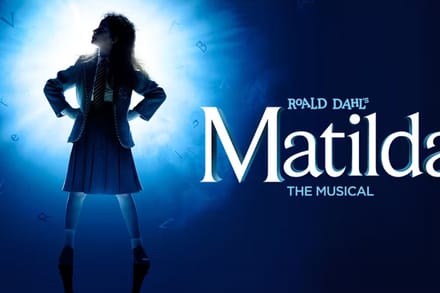
Relaxed performances modify the standard theatre experience to make it more comfortable for audiences who find the conventional format challenging. This includes people on the autistic spectrum, those with sensory processing sensitivities, people with learning disabilities, and audience members who may need to move, make noise or leave and re-enter the auditorium during the performance. At relaxed performances, the house rules around noise and movement are lifted, house lights are brought up slightly during the show, startling sound and lighting effects may be reduced or removed, and staff are briefed to support audience members as needed. Chill-out spaces outside the auditorium are usually provided. Productions like The Lion King and Matilda the Musical are among those that have offered relaxed performances, making major family-oriented productions accessible to audiences who would struggle with the standard format.
Accessible performances are not offered at every scheduled show time. Each production typically designates a small number of dates for each type of accessible performance throughout its run, often one or two per month, and these dates may not coincide with the most popular performance times. Checking the accessible performance schedule in advance, rather than assuming a standard booking will include access provisions, is essential.
The accessible performance schedule for most West End shows is published on the production's own website, on the venue's website, and is often listed through specialist ticketing channels. Planning ahead is particularly important for popular shows, as accessible performances can sell out earlier than standard performances due to the limited number of dates available.
When booking accessible performances, contacting the venue's dedicated access team directly can be more useful than booking online, particularly if you need specific seating positions or have questions about the provisions at a particular show. Most major West End venues have access booking lines or email contacts and can advise on seating options, facilities and the specific adaptations being made for a given performance.
For checking what accessible performances are available across the current West End programme and for finding shows with upcoming access dates, BritishTheatre.com lists current productions across all London theatre venues. For booking tickets once you have identified a suitable performance, tickadoo provides seat maps and real-time availability, allowing you to select specific seats appropriate to your access needs.
Many West End venues were built before accessibility was a design priority, and the physical access within some older theatres varies significantly. Stalls-level seating is generally the most accessible for wheelchair users and for audiences who find stairs difficult, and dedicated wheelchair spaces and companion seating are usually positioned at the stalls level or at level-access points on other levels. Step-free access to the stalls is available at most major venues, though the specific arrangements differ from building to building.
Hearing loops are installed in most major West End theatres and are available at all performances, not only on designated captioned or audio-described nights. Audience members who use hearing aids should check whether the venue's loop covers their chosen seating area, as coverage can vary across the auditorium.
Accessible toilets are standard at all major venues. The location within the building varies and is worth checking in advance for audience members for whom distance or level changes are a consideration.
Most of the main West End theatre district is within reasonable distance of accessible Underground and National Rail stations, though the Underground network's step-free coverage remains uneven. For audiences who need step-free access throughout their journey, checking the specific step-free status of the stations nearest their chosen venue is recommended. The Transport for London website provides current step-free access information for all stations.
Many West End venues can be accessed by bus from central London, and bus routes in central London are generally fully accessible with level boarding. For audiences arriving by taxi or private vehicle, the venue's access booking team can advise on drop-off points and parking arrangements for Blue Badge holders.
For audiences who want to make the theatre visit part of a wider day out, the West End's central location provides options for accessible dining, coffee and other activities nearby. Booking a restaurant in advance and mentioning any specific access requirements when making the reservation is the standard approach.
Arriving at the venue with additional time before the performance allows for collecting any access equipment (earpiece receivers, programme notes in large print or Braille if available), locating your seats without rushing, and making use of any touch tours or pre-show resources that may be on offer for accessible performances.
For the full current West End programme and information on shows at London theatre venues, BritishTheatre.com provides a complete listing. For tickets across the West End with seat maps and real-time availability, tickadoo covers all major venues. tickadoo also offers theatre gift vouchers, which can be a thoughtful option for occasions where flexibility in date and show choice is useful.
What types of accessible performance are available in the West End? The main categories are captioned performances (text display of dialogue for deaf and hard-of-hearing audiences), audio-described performances (live commentary via earpiece for blind and visually impaired audiences), BSL-interpreted performances (British Sign Language interpretation alongside the show), and relaxed performances (modified format for audiences with sensory or other access needs).
How do I find accessible performances for West End shows? Check the production's official website or the venue's website for their accessible performance schedule. Most shows designate specific dates for each type of accessible performance throughout their run. Contacting the venue's access booking team directly is useful if you have specific questions about provisions or seating.
Are West End theatres wheelchair accessible? Most major West End venues have step-free access to stalls-level seating and designated wheelchair spaces with companion seating. The specific arrangements vary by building, and contacting the venue's access team in advance is recommended to confirm the access route and available seating for wheelchair users.
What is a relaxed performance? A relaxed performance modifies the standard theatrical experience to be more suitable for audiences who find the conventional format difficult, including autistic audience members, those with sensory processing sensitivities and those with learning disabilities. House rules around noise and movement are relaxed, lighting and sound effects may be softened, and chill-out spaces are provided outside the auditorium.
Do hearing loops work throughout the West End auditorium? Hearing loops are installed at most major venues but coverage can vary across the auditorium. When booking, it is worth checking with the venue which seating areas are within the hearing loop coverage zone for your chosen position.
Stay in the spotlight
Get the latest theatre news, reviews and exclusive offers straight to your inbox.