The stage door is one of the less formal rituals of West End theatre-going, and one of the least understood by first-time visitors. For regular theatre audiences it is a familiar part of the post-show experience; for those who have never done it before, the informal customs and unspoken expectations can be unclear. This guide covers what to expect at a West End stage door, how to approach it, what to bring and how to make the most of the experience without making it awkward for anyone involved.
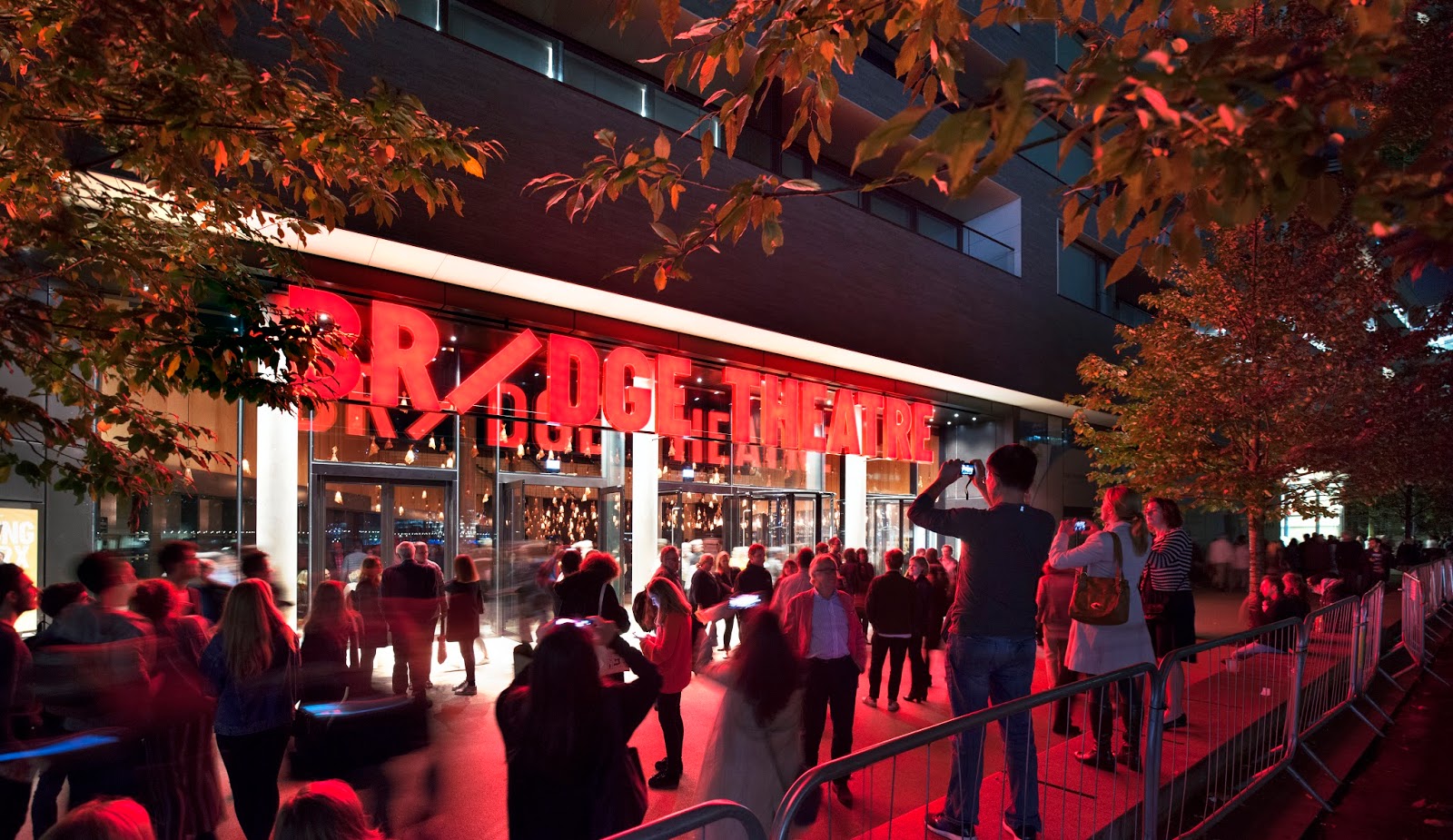
Every West End theatre has a stage door: a separate entrance at the rear or side of the building used by performers, crew and production staff to access the building without going through the public areas. After a performance ends, audience members who want to meet cast members can wait outside this entrance in the hope of seeing performers as they leave the venue.
Not all cast members come out at the stage door after every performance. Whether a performer emerges is entirely their own decision, and factors including the demands of the run, the size of the waiting crowd, personal preference and any commitments after the show all affect who appears on a given night and how long they stay. Some casts at long-running productions come out regularly; others rarely do.
The stage door typically becomes accessible to audience members some time after the performance has ended, once the cast have changed, removed stage makeup and had the opportunity to wind down. At a show that ends at around 10pm, this might mean waiting from 10.30pm or later. The timing is unpredictable and varies by show and by night.
A group of audience members gathers outside, and as performers emerge they may sign programmes, take photographs or spend a few moments speaking with people who have waited. There is no formal queue management at most stage doors; the process is informal and depends heavily on the mood of the evening, the size of the crowd and the performers involved.
At very well-attended shows, the stage door crowd can be considerable. Productions like Hamilton, Wicked and The Lion King attract large numbers of audience members who wait after performances, and the experience outside the stage door of a major West End musical in a long run is quite different from the informal gathering outside a smaller production.
A show programme is the most useful thing to have at the stage door. Most performers who come out are willing to sign programmes, and having one to hand makes the interaction simple. If you do not have one, a playbill or a piece of the show's printed material will do.
If you want to take a photograph, having your phone ready and accessible saves time and reduces fumbling at an inconvenient moment. Some performers are happy to take photographs with audience members; others prefer not to. Following the performer's cue is the right approach: if they seem comfortable and unhurried, asking politely is fine; if they are moving quickly or appear tired, accepting that this is not the right moment is the better response.
For large-cast productions, being clear about who you are most hoping to meet helps you manage expectations. The principal cast members are most in demand and may not always emerge; part of the stage door experience is accepting the element of chance involved.
The core principle of stage door etiquette is treating performers as the professionals they are rather than as public figures whose time is automatically available. A cast member who has just completed a two-and-a-half-hour performance is tired, regardless of how much they enjoyed it, and the most appreciated audience members are those who are warm and appreciative without being overwhelming.
Wait in a calm, orderly way. If a performer emerges and the crowd surges forward, the encounter becomes uncomfortable and often shorter as a result. Making space and allowing the performer to move at their own pace leads to a better experience for everyone.
Keep it brief. A few words of genuine appreciation, a programme signed and a photograph takes a matter of moments. Lingering for an extended conversation when others are waiting is inconsiderate both to the performer and to other audience members.
Do not touch a performer without clear indication that it is welcome. A handshake is fine if offered; grabbing an arm or insisting on physical contact is not appropriate regardless of the level of enthusiasm for the performance.
Respect a refusal. If a performer declines to sign or photograph, it is entirely within their rights to do so, and a brief thank-you before stepping back is the right response. The decision is theirs, and stage door access is a courtesy they extend voluntarily.
Some West End shows are associated with particularly active stage door cultures. Hamilton at the Victoria Palace Theatre regularly draws large post-show crowds; the cast have an established routine for managing the gathering, and the experience is well-organised by the standards of informal stage door encounters.
Matilda the Musical and other family-friendly productions tend to have a notably warm stage door atmosphere. A significant proportion of those waiting are children, and performers at family shows are often particularly attentive to younger audience members. The Book of Mormon, by contrast, has a predominantly adult following and a different character to the post-show crowd.
For productions with rotating casts or alternating performers, checking in advance which cast members are scheduled for a particular performance can help you plan a stage door visit with clearer expectations.
Children attending a stage door can have a particularly memorable experience. Performers at family productions are generally aware when children are in the crowd waiting and often make a special effort. Preparing children in advance makes the encounter smoother: explaining that they may need to wait, that not every performer will come out, and that being patient and polite are more likely to result in a good interaction than pushing forward, all helps manage expectations constructively.
The stage door is not an autograph signing session or a guaranteed meet-and-greet. Performers are not obliged to come out, spend time with audience members or pose for photographs. Treating the experience as a possibility rather than an entitlement is the single most important piece of advice for first-time stage door visitors.
Some productions organise formal post-show events or experiences for audience members who have purchased specific tickets or packages. These are distinct from the informal stage door and are arranged in advance through the production itself or the venue.
For tickets to the West End shows mentioned in this guide and the full London theatre programme, tickadoo covers all major venues with seat maps and pricing at every level. For the complete current programme including all productions currently running, BritishTheatre.com provides full listings. tickadoo also offers theatre gift vouchers for occasions where flexibility is more useful than a fixed booking.
What is a West End stage door? A stage door is a separate entrance at the rear or side of a theatre used by performers and production staff. After performances, audience members can wait there to meet cast members as they leave the building.
Do West End performers always come out at the stage door? No. Whether any performer appears at the stage door is entirely their own decision. It is not guaranteed, and nothing about attending a show entitles an audience member to a stage door encounter.
How long do you have to wait at the stage door? The wait varies, but performers typically emerge twenty to forty minutes or more after the performance ends. Waits of over an hour are not unusual for large productions. There is no fixed schedule.
What should I bring to a West End stage door? A show programme is the most useful item. Having your phone accessible is practical if you want photographs. The most important quality to bring is patience and a realistic sense of how the evening might go.
Is the stage door appropriate for children? It can be a very positive experience for children, particularly at family-oriented productions. Preparing children beforehand for the wait, the uncertainty and the etiquette involved makes the experience better for everyone.
Stay in the spotlight
Get the latest theatre news, reviews and exclusive offers straight to your inbox.