Touring
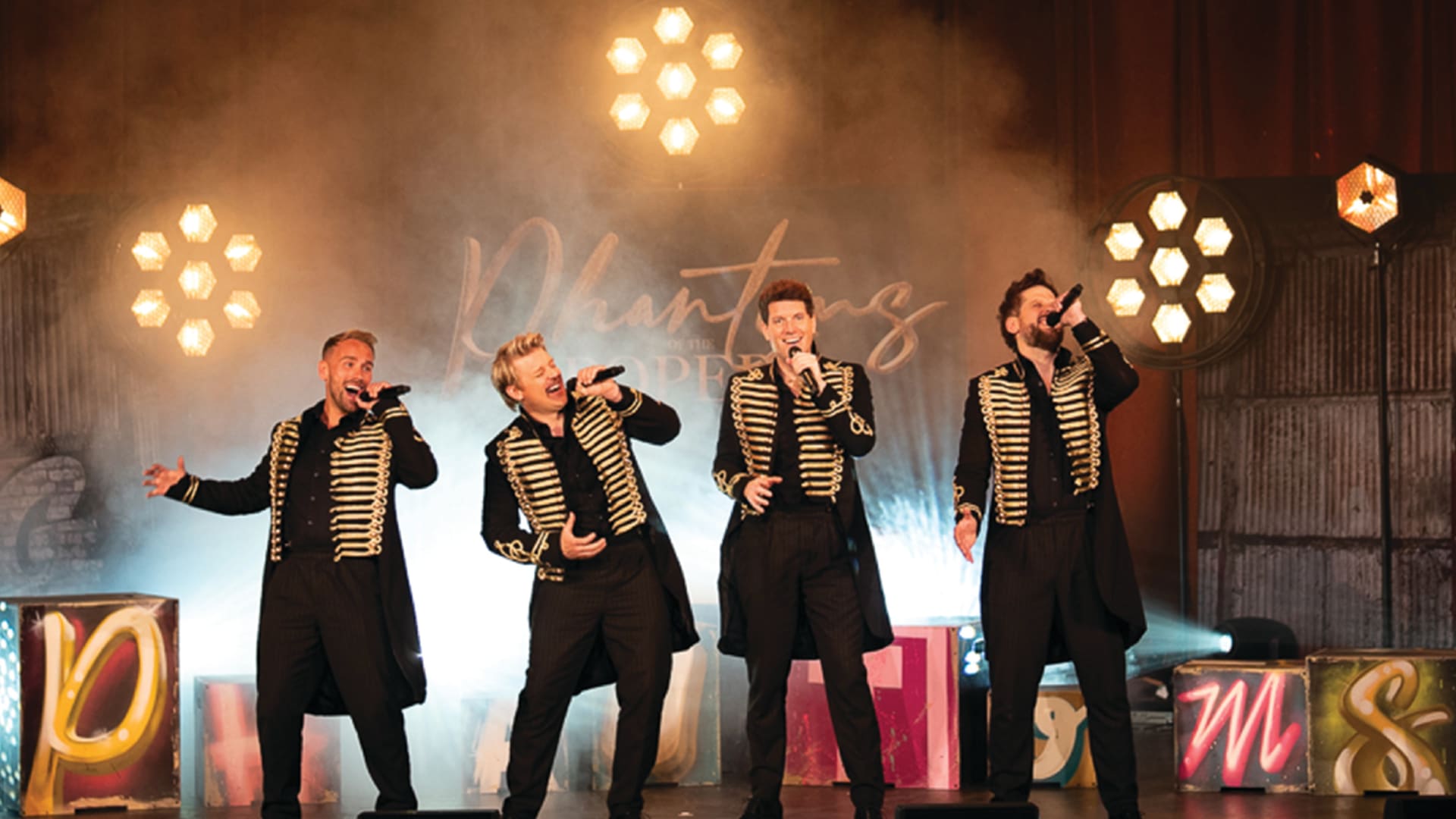
'Phantoms of the Popera' starring G4
Leas Cliff Hall, Folkestone
8 March 2027 to 29 March 2027 (selected dates)
British Theatre has covered Endgame in 2 articles since 2020.
Find Endgame tickets. Check cast, times and running details on BritishTheatre.com.
Samuel Beckett's Endgame is one of the most celebrated and challenging works in the history of modern theatre. Written in French as Fin de partie and first performed in 1957, the play unfolds in a bare, claustrophobic room at the end of time. Four characters inhabit this bleak world: Hamm, a blind and paralysed man confined to a wheelchair; Clov, his reluctant servant who cannot sit down; and Nagg and Nell, Hamm's legless parents, who live in dustbins. Together they circle through repetitive rituals, dark humour, and philosophical despair, waiting for something, or nothing, to happen.
The title evokes the final stage of a chess game, when the board is nearly empty and every move is constrained. Beckett uses this metaphor to explore themes of dependency, mortality, memory, and the strange compulsion to continue even when hope has all but vanished. It is a companion piece to Waiting for Godot, sharing its absurdist world view and its deeply human longing for meaning.
Beckett's writing rewards close attention. Beneath the stripped-back dialogue and sparse staging lies extraordinary wit, genuine tenderness, and a rigorous intellectual architecture. Productions of Endgame tend to be intimate and intense, drawing audiences into a shared experience of discomfort and unexpected laughter. The play has lost none of its power since its premiere; if anything, its meditation on endings and endurance feels more resonant than ever.
For theatregoers unfamiliar with Beckett, Endgame can be a revelatory introduction to absurdist drama. For those who already love his work, each new production offers a fresh interpretation of a text that has been performed by some of the greatest actors of the twentieth and twenty-first centuries, from Patrick Magee and Jack MacGowran in the original productions to more recent celebrated revivals featuring leading names of the British and Irish stage.
Endgame runs without an interval, making it a concentrated theatrical experience. Audiences should be prepared for a play that moves at its own deliberate pace, with long silences and circular exchanges that are entirely intentional. It is not a plot-driven evening in the conventional sense; the pleasure lies in the language, the performances, and the gradual accumulation of feeling.
The play is generally considered suitable for ages 14 and upward, though younger theatregoers with an interest in literature and philosophy will find it rewarding. If you are new to Beckett, reading a brief synopsis or introduction beforehand can help you settle into the rhythm of the piece more quickly.
Endgame has been staged at a variety of London venues over the years, from large receiving houses such as the Barbican Theatre to smaller studio spaces that suit its claustrophobic atmosphere particularly well. Always check the specific venue before you travel, as seating configurations and accessibility arrangements will vary. London's theatre district is well served by public transport, and most venues offer concessionary rates for students, under-26s, and those on certain benefits. It is worth checking with the box office directly if you have specific access requirements.
Ticket prices for Beckett productions in London vary widely depending on the venue and the profile of the cast, so booking in advance is advisable for high-profile revivals.
If Endgame appeals to you, there are several other productions and playwrights worth exploring. Beckett's own Waiting for Godot is the natural companion piece and arguably the more frequently revived of his stage works. Harold Pinter's plays, particularly The Birthday Party and The Caretaker, share a similarly menacing, elliptical quality and a fascination with power and dependency. For something more contemporary in the absurdist tradition, The Chairs by Eugène Ionesco offers another unsettling and darkly comic vision of human futility. All of these works represent the finest traditions of European and British post-war drama, and any one of them makes for a richly rewarding evening in the theatre.
Touring
Leas Cliff Hall, Folkestone
8 March 2027 to 29 March 2027 (selected dates)

Regional theatre
Norman Bragg Studio, Aylesbury Waterside
15 November 2026 to 15 November 2026 (selected dates)

Regional theatre
Regent Theatre, Stoke-on-Trent
18 January 2027 to 30 January 2027 (selected dates)
Review
The Windsors Endgame is a hilarious evening in the theatre with Harry Enfield , Kara Tointon, Tracy-Ann Oberman and many of the stars of The Windsors, Chann…

Douglas Mayo
News & Reviews

Misc
The Old Vic has announced that its production of Endgame starring Daniel Radcliffe and Alan Cumming has closed early due to concerns over Coronavirus.
Douglas Mayo
News & Reviews
Show ended
Endgame