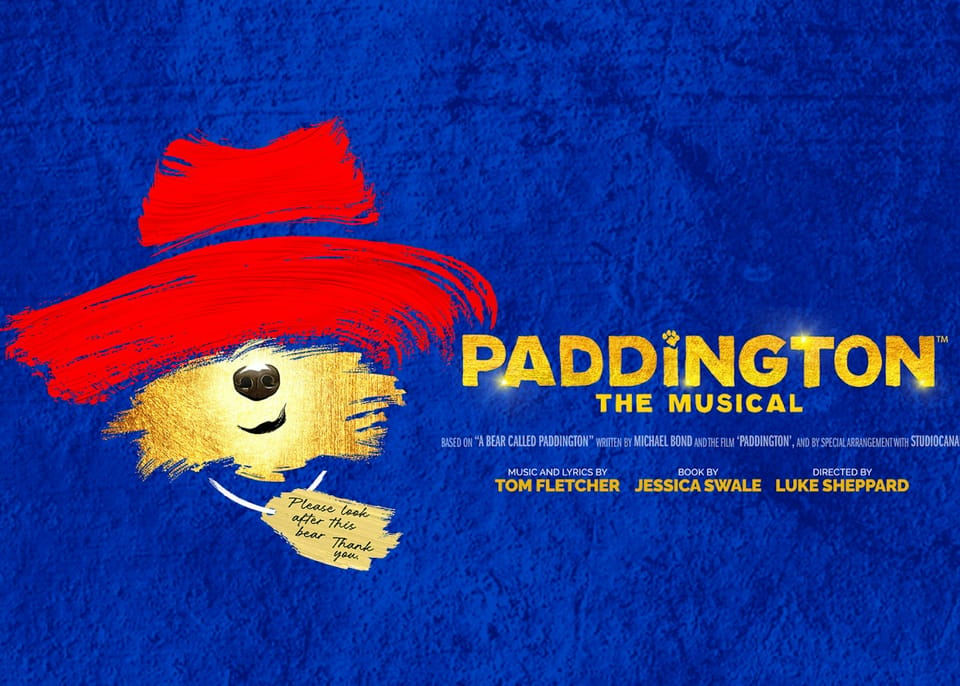
It's one of the theatre world's most enduring debates: are musicals muscling new plays out of the West End? The conversation has flared up once again after veteran playwright Michael Frayn, whose acclaimed Copenhagen is currently enjoying a revival at Hampstead Theatre, suggested that plays are being squeezed off Shaftesbury Avenue by the relentless march of big musicals. But as critic has argued, the reality is far more complex, and more encouraging, than the doom-mongers would have us believe.
A Familiar Refrain That Never Quite Rings True
The notion that new writing is an endangered species in London's theatreland has been circulating for decades. For as long as critics have been covering the West End, somebody has been sounding the alarm that the last new play is about to close and the final curtain will fall on original drama. It's a seductive narrative, but it doesn't quite hold up under scrutiny.
Consider the landscape 40 years ago. Frayn himself was enjoying a remarkable run with three plays in the West End simultaneously: Benefactors, Noises Off, and Number One. That's an extraordinary achievement for any playwright. Yet even with Frayn's prolific output bolstering the new writing tally, musicals still outnumbered original plays in the West End during that era. Beloved titles including Cats, Evita, West Side Story, Little Shop of Horrors, and Starlight Express were all packing houses at the same time.
The balance between musicals and plays has always swung like a pendulum. Some seasons tilt one way, some the other. The crucial point is that a healthy theatre ecosystem has always had room for both, and there's little evidence to suggest that the current balance is dramatically worse for new writing than it was four decades ago.
What Counts as New Writing, Anyway?
Perhaps the more interesting question isn't whether new writing is being pushed out, but what we actually mean by "new writing" in the first place. If we define it narrowly as straight plays by contemporary playwrights, then the picture might look concerning. But why should we be so restrictive?
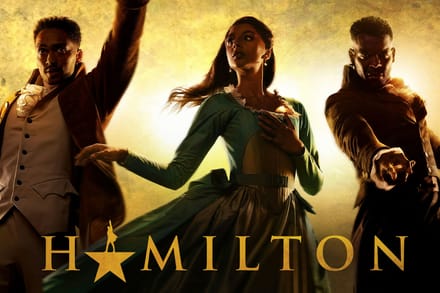
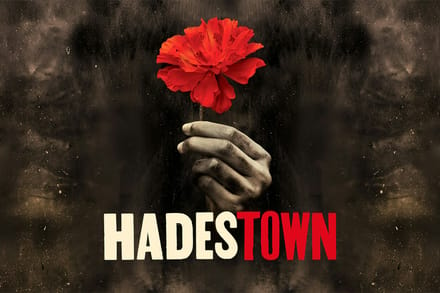
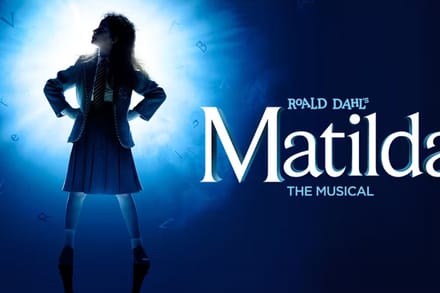
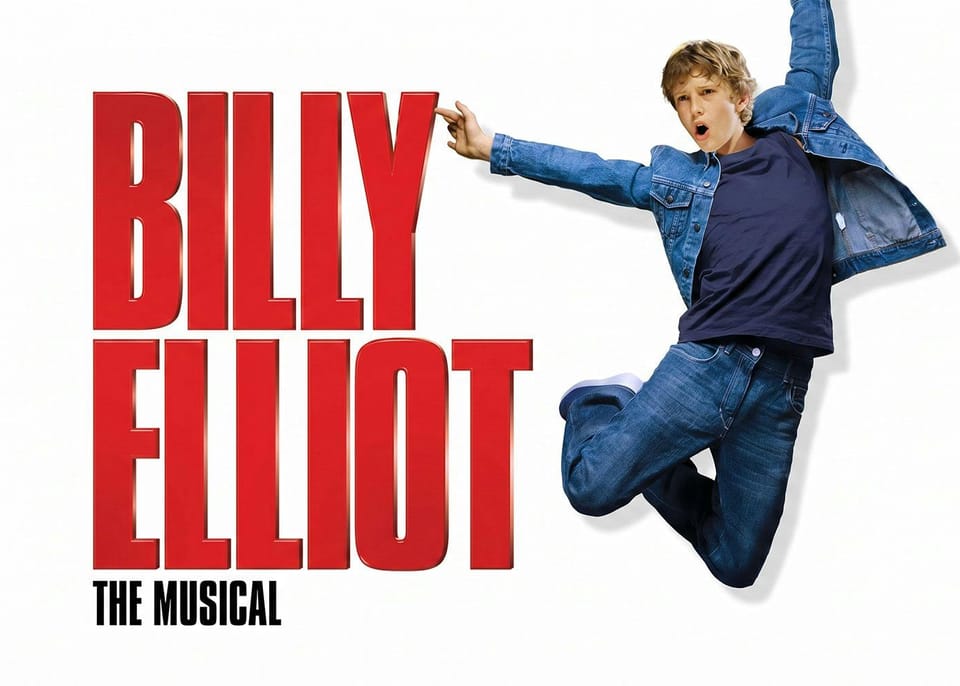
Hamilton, Hadestown, and Matilda The Musical are all, at their core, pieces of original writing. Lin-Manuel Miranda's hip-hop retelling of American history required just as much dramaturgical craft as any straight play. The same is true of Billy Elliot, which is set to return to the West End early next year. These are not jukebox compilations or lazy rehashes. They are works of genuine artistic ambition that happen to include songs.
Take Inter Alia, Suzie Miller's Olivier-winning drama, or Ava Pickett's 1536, which opens in the West End next month. Both are unquestionably new writing. But so, in its own way, is a brilliantly constructed comedy like The Play That Goes Wrong. Creating a piece of comedy that works night after night requires the same level of dramaturgical skill as crafting a serious drama. We don't dismiss a novel from being considered literature simply because it falls into the crime or comedy genre. Why should we apply different standards to theatre?
David Hare's latest work, Grace Pervades, which has just opened at the Theatre Royal Haymarket, sits comfortably alongside these more populist offerings. The West End is big enough and varied enough to accommodate both.
The Real Crisis Is Happening Elsewhere
Where the concern about new writing becomes more valid is in the subsidised sector. Since 2019, there has been an alarming decline in the production of new plays across British theatre, with some estimates putting the drop at around 30%. Subsidised theatres, which have traditionally served as a vital pipeline feeding new work into the commercial West End, are producing less original drama than they used to. Rising costs, squeezed funding, and the lingering effects of the pandemic have all taken their toll.
This is a genuine problem. The West End has always relied on the subsidised sector to develop and test new work before it makes the leap to commercial production. If that pipeline narrows, then the long-term health of new writing in the West End could indeed be threatened, not by musicals, but by the erosion of the infrastructure that nurtures playwrights and their work.
Yet even with these challenges, new writing appears to be more than holding its own on Shaftesbury Avenue and its surrounds. John Proctor is the Villain is set to transfer from the Royal Court to Wyndham's Theatre early next year. Simon Stone's contemporary reimagining of The Oresteia, a bold new take on a 2,000-year-old text, is heading to the Bridge Theatre in July. These are signs of a vibrant, not a dying, new writing scene.
The Rise of a Fascinating New Subgenre
One of the most exciting developments in the West End right now is the emergence of productions that draw on existing intellectual properties but create something entirely new for the stage. These aren't straightforward adaptations or attempts to replicate a film or book in theatrical form. Instead, they use the familiarity of a well-known title as a springboard for genuinely original storytelling.
Harry Potter and the Cursed Child is the most famous example. It doesn't retell any of J.K. Rowling's novels but instead continues the story with an original narrative. Stranger Things: The First Shadow similarly takes the world of the hit Netflix series and creates an entirely new prequel story for the stage. Paranormal Activity does much the same, using the horror franchise as a launchpad for innovative theatrical storytelling rather than simply recreating jump scares on stage.
These productions deserve to be celebrated as new writing. They require original scripts, fresh characters, and inventive staging. The fact that they share a title with an existing property doesn't diminish the creative work involved. Some may argue they are merely adaptations, but the very best adaptations demand real playwriting skill and a willingness to reimagine source material in ways that are native to the stage.
Musicals and Plays: Not a Zero-Sum Game
The fundamental flaw in the "musicals are killing plays" argument is that it frames the West End as a zero-sum game. The assumption is that every theatre occupied by a musical is a theatre stolen from a new play. But the economics don't work that way. Musicals draw enormous audiences, many of whom might not otherwise visit the West End at all. A family that comes to London to see The Lion King might spot a poster for a new play and decide to book tickets for that too. The overall pie gets bigger, rather than one slice growing at the expense of another.
It's also worth remembering that the challenges facing new writing are not unique to our era. Every generation of playwrights has had to compete for attention and resources. The difference today is that the competition comes not just from musicals but from streaming services, social media, and a host of other entertainment options that simply didn't exist in the 1980s. Shakespeare and his contemporaries didn't have to compete with Netflix.
The costs of staging any production in the West End have risen dramatically, and this affects plays more acutely than musicals because plays typically have shorter runs and smaller profit margins. But this is a structural and economic challenge, not one caused by musicals themselves.
What This Means for Theatre Fans
If you love new writing, the West End remains a rewarding place to be. The range of original work on offer, from straight plays to innovative stage adaptations to boundary-pushing musicals, is as diverse as it has ever been. Rather than wringing our hands about musicals dominating the landscape, we should celebrate the breadth of storytelling that London theatre currently offers.
The real battle for new writing's future is being fought in the rehearsal rooms and development spaces of subsidised theatres across the UK. Supporting those organisations, whether through ticket purchases, donations, or simply championing their work, is the most effective way to ensure that the pipeline of new plays into the West End remains strong for decades to come.
Looking for your next West End experience? Browse our full list of London shows, explore the latest plays and musicals, or check out our theatre news and features for more insight into what's happening on and off the London stage.
Susan Novak has a lifelong passion for theatre. With a degree in English, she brings a deep appreciation for storytelling and drama to her writing. She also loves reading and poetry. When not attending shows, Susan enjoys exploring new work and sharing her enthusiasm for the performing arts, aiming to inspire others to experience the magic of theatre.
View profile and all articlesStay in the spotlight
Get the latest theatre news, reviews and exclusive offers straight to your inbox.