Open air theatre in London operates on a different set of assumptions from the enclosed venues of the West End. The audience sits outside, the sky is part of the design, and the experience of watching a play or musical on a summer evening in a park or riverside location has a quality that no amount of theatrical engineering can replicate indoors. This guide covers the main open air venues in London, what to expect from an outdoor performance, and how to make the most of the experience.
The Open Air Theatre in Regent's Park is the most established outdoor theatre venue in London, with a programme running from late spring through early autumn each year. The venue is set within the formal gardens of Regent's Park and seats around 1,200 audience members in a tiered arrangement facing a covered stage.
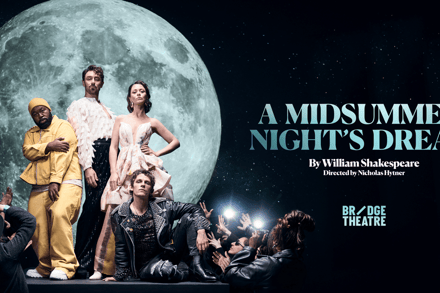
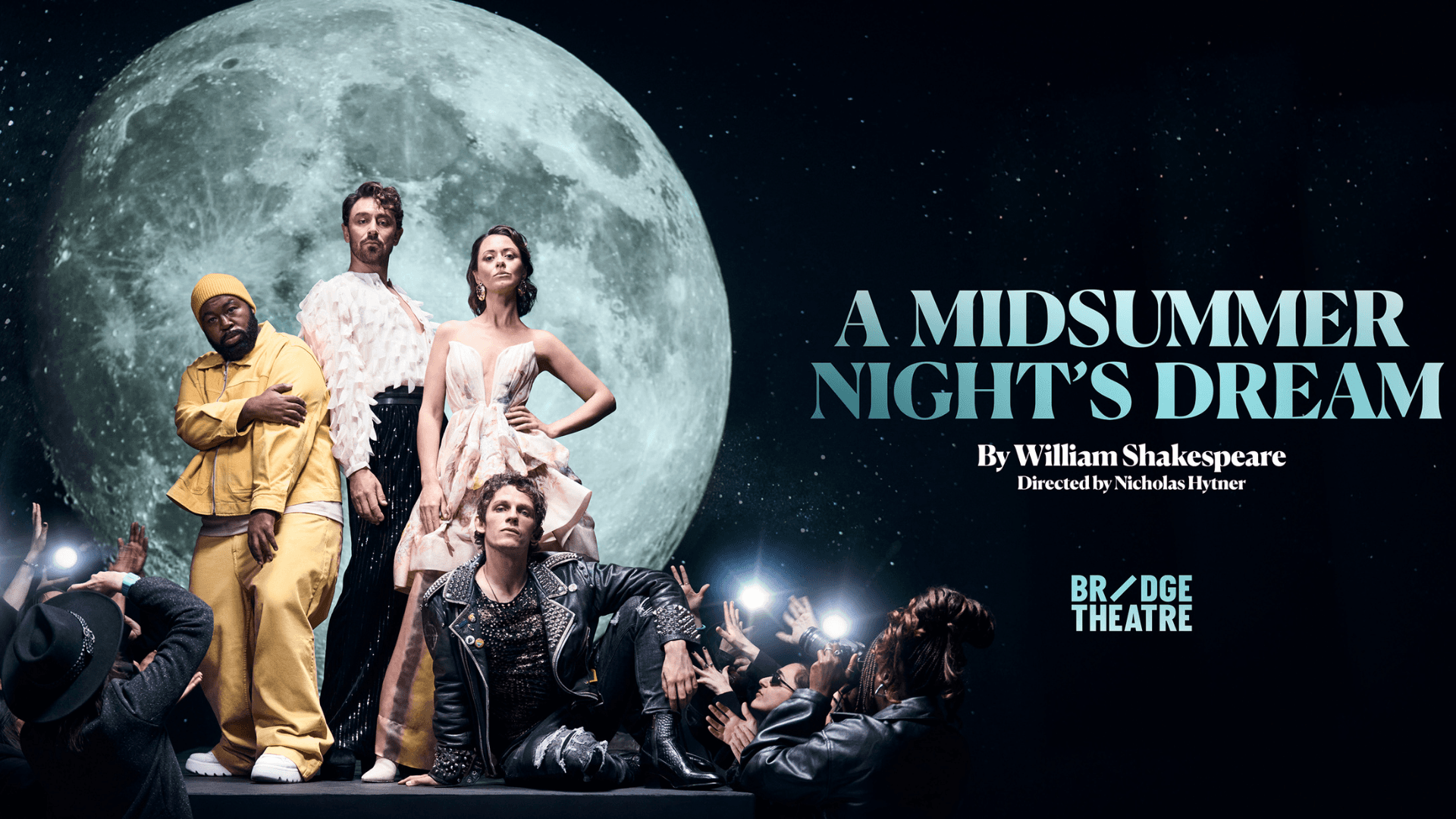
The programme at Regent's Park typically includes a combination of Shakespeare, classic plays, and musical theatre productions. The venue has a long tradition of summer Shakespeare, particularly the comedies whose pastoral settings translate naturally to an outdoor context: a production of A Midsummer Night's Dream performed among the trees of Regent's Park is one of the more specifically London theatre experiences available anywhere in the city.
The acoustics of the open air space are managed through a sound system that covers the audience area, and the stage is sufficiently large to accommodate significant productions. The venue has hosted musicals as well as plays in its recent programmes, and the combination of accessible work with the outdoor setting makes it one of the most popular summer theatre destinations in London.
Shakespeare's Globe on the South Bank is not strictly a summer-only venue, but its open-air yard is the defining feature of the experience from spring through autumn. The Globe is a reconstruction of the Elizabethan playhouse in which many of Shakespeare's plays were first performed, and the architectural relationship between the stage and the surrounding galleries and yard is central to what makes a visit to the Globe different from any other theatrical experience in London.
The yard, the standing-room area directly in front of the stage, provides a relationship between the performer and the audience that a conventional seated auditorium cannot replicate. Groundlings, as standing audience members are known, are as close to the stage as the front row of the Stalls in a conventional theatre but are standing throughout the performance rather than seated. The proximity and the active involvement of the yard audience in the performance give Globe productions a particular energy that is part of the venue's identity.
The Globe presents Shakespeare's plays throughout the season, often with productions that use the specific architecture of the space rather than attempting to compensate for it. For audience members interested in experiencing the conditions under which Shakespeare was originally performed, a Globe production remains one of the most distinctive theatrical options in the city.
Beyond Regent's Park and the Globe, London has a number of smaller outdoor theatrical events across the summer season. Parks, historic buildings, and riverside spaces have been used by companies staging productions that respond to their locations: open air opera at Kenwood House, promenade productions in various garden settings, and outdoor events from smaller companies operating in parks across the city.
These events are typically shorter in run than the established venues, and finding them requires checking programmes regularly rather than booking through a standard West End ticketing route. Local listings and the BritishTheatre.com programme cover outdoor events as they are announced.
The weather is a variable. Outdoor theatre in London operates through an English summer, which is not reliably warm and dry. Performances proceed in all but the most extreme weather conditions. Most venues have a formal rain policy that sets out when performances will be cancelled and what refund arrangements apply; check this before booking. Most open air audiences come prepared for rain and temperature changes regardless of the forecast.
Dress in layers. Even on a warm summer evening, temperatures drop after sunset. Bringing an extra layer is standard practice for open air theatre, and some venues offer blankets for hire. The assumption that the evening will be warm enough in just the clothing you arrived in is a common miscalculation.
Bring a cushion if you plan to sit for a long time. The bench seating of some outdoor venues, and particularly the standing-room positions of the Globe's yard, involve sustained physical engagement that a padded theatre seat does not. Cushions are often available to hire but bringing your own is more reliable.
Arrive early. Open air venues typically open their grounds before the performance, and arriving early allows time to find your seat, buy food or drink, and settle in. At Regent's Park and the Globe, the pre-show atmosphere in the venue's outdoor spaces is part of the experience and worth arriving early enough to enjoy.
Food and drink. Many open air venues allow picnics or have on-site food and drink available. The rules vary by venue; check in advance whether you can bring your own and what is sold on site.
Open air theatre and West End theatre are different experiences with different strengths. West End productions at enclosed venues such as the Old Vic Theatre or the larger musical houses offer technically controlled environments with sophisticated sound and lighting design, long-running productions that have been refined over time, and the comfort and predictability of an indoor theatre. Open air theatre offers something these venues cannot: the specific pleasure of watching performance in a natural environment, with the sky, the weather and the surroundings as part of the event.
The two experiences are complementary rather than competitive. For audience members who attend the West End regularly, the open air programme offers a distinct alternative in the summer months. For those visiting London with time for one or two theatrical events, a combination of an enclosed West End production and an open air performance gives a broader sense of what London theatre can be.
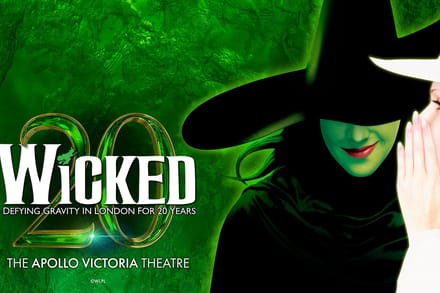
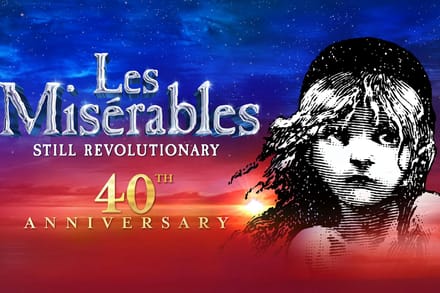
Shows currently playing in the enclosed West End, including long-running productions such as Wicked and Les Misérables, operate year-round and can be attended alongside an open air visit in the summer season.
The Open Air Theatre at Regent's Park books through its own box office; Shakespeare's Globe similarly has its own ticketing. For the broader London and West End theatre programme, including productions running year-round alongside the summer outdoor season, tickadoo covers seat availability with maps and pricing across the commercial West End, and BritishTheatre.com covers the full programme. tickadoo also offers theatre gift vouchers that can be used for any show in its programme.
When does open air theatre in London run? The main open air theatre season in London runs from late spring through early autumn, typically May to September. The Open Air Theatre at Regent's Park and Shakespeare's Globe both operate through this period.
What happens if it rains at an open air theatre? Performances proceed in most weather conditions including light rain. Venues have formal cancellation and refund policies for severe weather; check these when booking. Most experienced open air theatre-goers bring waterproofs regardless of the forecast.
Are open air theatre tickets cheaper than West End tickets? Prices vary by venue. Standing tickets at Shakespeare's Globe (groundling tickets) are among the most affordable theatrical options in London. Seated tickets at the Open Air Theatre in Regent's Park are comparable to mid-range West End pricing.
Can children attend open air theatre? Yes, subject to the specific age guidance of the production. Open air theatre productions, particularly summer Shakespeare comedies, are often well suited to family audiences, and the outdoor setting reduces the formal constraints of a conventional theatre visit for younger audience members.
Stay in the spotlight
Get the latest theatre news, reviews and exclusive offers straight to your inbox.