The West End's programme contains productions that work well across a wide range of ages, but certain shows are particularly well-suited to older audiences: productions with familiar material, comfortable running times, accessible stories and the kind of theatrical craftsmanship that rewards a lifetime of theatregoing rather than requiring a specific familiarity with contemporary pop culture. This guide identifies the West End productions most likely to appeal to seniors and older audiences, covering both the long-running classics and shows that suit a more established theatrical sensibility.
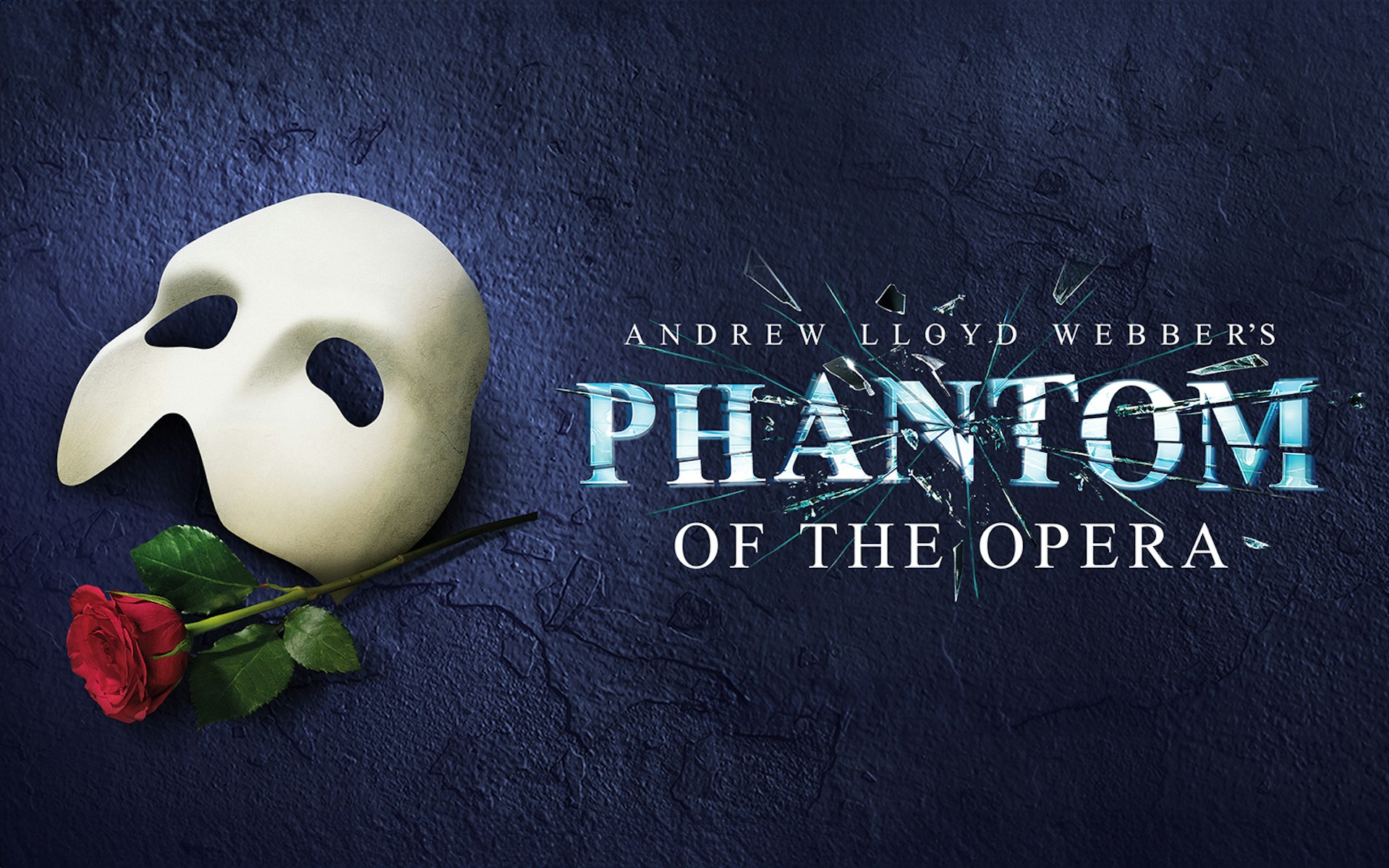
The Phantom of the Opera is one of the most enduring productions in West End history, and its appeal to older audiences is rooted in a combination of operatic grandeur, romantic melodrama and large-scale spectacle that places it squarely in the tradition of nineteenth-century theatrical entertainment. Andrew Lloyd Webber's score draws on classical and operatic influences, and the production's emphasis on vocal performance and orchestral music makes it one of the most musically substantial shows in the West End.
For audiences who grew up with classical music or operatic traditions, or who respond to theatrical experience built on vocal and orchestral achievement rather than contemporary pop-influenced sound, The Phantom of the Opera remains a compelling production. The scale of the experience and the quality of the musical forces required to perform it make it a strong choice for audiences who want their theatre to feel genuinely large.
Les Misérables is based on one of the most significant novels in Western literature and tells a story of moral complexity and redemption across the turbulent decades of nineteenth-century France. The score is operatic in ambition, moving between dramatic confrontation and genuine tenderness, and the narrative is rich enough to reward multiple viewings and to work differently for audiences at different stages of life.
For older audiences, the themes of Les Misérables take on particular resonance: the show deals with regret, redemption, parenthood and the difficult relationship between individual conscience and social obligation. These are not the themes of a light entertainment, and the production's emotional weight is part of what distinguishes it for audiences who want the theatre to engage seriously with human experience. The full orchestral score, performed live, adds to the emotional impact of the show's major moments.
The Mousetrap at the St Martin's Theatre has been running continuously since 1952 and holds a particular place in the West End as both a theatrical institution and a reliably entertaining mystery. Agatha Christie's play is a compact, well-constructed thriller that delivers its pleasures through character, atmosphere and clever plotting rather than through spectacle, volume or physical performance.
For audiences who prefer drama to musical theatre, or who associate the West End with the well-made play tradition rather than the large-scale musical, The Mousetrap provides an experience that connects directly with that theatrical heritage. The St Martin's Theatre is a traditional West End house with good sightlines and comfortable facilities, and the show itself is accessible and engaging for audiences of all ages, including those who are attending the theatre after a long gap.
Mamma Mia! uses the music of ABBA, a catalogue that connects directly with the popular musical experience of an entire generation of older audiences. For audiences who were in their twenties and thirties when ABBA's recordings were at their cultural height, the show provides the particular pleasure of familiar material reframed theatrically, performed with a cast and production values that give the songs a new presentation.
The story is lighter in weight than many West End productions, but the show's warmth and its commitment to entertaining the audience on its own terms make it reliable entertainment. The running time is comfortable, the emotional register is broadly positive, and the recognisability of the music removes any anxiety about encountering unfamiliar material. For older audiences attending with family groups or attending as a first return to the theatre after some time, Mamma Mia! is among the most welcoming options in the West End.
Hamilton might not be the obvious choice for older audiences given its use of hip-hop and contemporary popular music, but the show's engagement with American history and its genuinely ambitious writing make it one of the most intellectually rewarding productions in the West End programme. For older audiences who are interested in history, political drama and ambitious theatrical storytelling, Hamilton offers an experience that is stimulating on multiple levels.
The historical subject matter connects with knowledge and perspective that older audiences typically bring: the founding of the United States, the dynamics of political ambition, and the relationship between personal and public life are themes that reward mature engagement. Audiences who approach the show with openness to its musical idiom frequently find it more compelling than they expected, and it has consistently attracted theatregoers well beyond the demographic one might assume from its marketing.
Jersey Boys tells the story of Frankie Valli and the Four Seasons, drawing its music from a catalogue that represents a significant part of popular music of the 1960s. For audiences who lived through that decade, the songs carry genuine personal associations, and the biographical narrative that frames them provides an engaging story about ambition, friendship and the costs of success.
The show appeals strongly to audiences who remember the original recordings and for whom the theatrical performance of this material produces the particular pleasure of re-encountering something known and loved in a new context. The performances are vocally demanding, and the production's investment in the specific sound of the Four Seasons' original recordings is part of what distinguishes it from a generic jukebox musical.
A few practical factors are worth considering when booking for older audiences. Many West End theatres were built in the Victorian and Edwardian eras and have steep stairs, limited lift access and restricted legroom in some seating configurations. It is worth contacting venues directly to ask about accessibility provisions, including step-free access, hearing loops, and aisle seating, before finalising a booking.
Matinee performances, typically scheduled in the early to mid-afternoon, are often preferred by older audiences for practical reasons: the journey home after an evening performance in central London is avoided, and the energy of the theatre in the afternoon is typically slightly calmer than on weekend evenings. Most West End productions run midweek and Saturday matinees.
For tickets to all the productions featured in this guide, tickadoo covers the full West End programme with seat maps and pricing. For the complete listing of what is running across all London theatre venues, BritishTheatre.com provides full production details. tickadoo also offers theatre gift vouchers, which are a useful option for older audiences who would prefer to choose their own performance date.
What are the best West End shows for older audiences? The Phantom of the Opera, Les Misérables, The Mousetrap and Jersey Boys all appeal strongly to older audiences, combining familiar or classical material with high production values and accessible storytelling. Mamma Mia! is a strong choice for audiences with a connection to ABBA's music.
Are West End theatres accessible for older visitors? Accessibility varies significantly between theatres. Many older West End buildings have limited step-free access and steep internal stairs. It is worth contacting the specific venue before booking to ask about hearing loops, step-free routes, aisle seating and other provisions relevant to individual needs.
Are there afternoon matinees in the West End? Most West End productions run matinee performances, typically on Wednesday, Thursday and/or Saturday afternoons, with curtain times generally between 2pm and 3pm. Evening performances typically start at 7.30pm.
Is Hamilton suitable for older audiences? Hamilton's musical idiom is rooted in hip-hop and contemporary pop, which some older audiences find initially unfamiliar. However, the show's historical content, ambitious writing and theatrical ambition make it appealing to older audiences who approach it with openness. Many older theatregoers find it one of the most rewarding productions they have seen.
Stay in the spotlight
Get the latest theatre news, reviews and exclusive offers straight to your inbox.