Choosing the right seats at a West End show is one of the most important decisions in the booking process, and one that many theatre-goers get wrong. The difference between a good seat and a poor one is not simply a matter of price: some of the most enjoyable positions in the house are not in the most expensive section, and some expensive seats come with sightline problems that the price does not reflect. This guide covers how to think through the choice before booking.
Most major West End theatres have three or four levels: Stalls (ground level), Royal Circle or Dress Circle (first balcony), Grand Circle (second balcony), and sometimes a Balcony or Upper Circle above that. Each level has a different character and suits different priorities.
Stalls is the ground floor. The central mid-Stalls rows (typically rows D or E through to roughly row M) give the most immersive experience, close to the performers while maintaining a comfortable viewing angle. The very front rows of the Stalls (rows A to C) are often the most expensive but are not necessarily the most enjoyable: for large-scale productions, you may need to crane your neck upward throughout, and some scenic elements are designed to be viewed from further back. The back of the Stalls can also be very good, particularly in theatres where the ceiling rises above the auditorium.
Royal Circle or Dress Circle is the first balcony. In most West End theatres, the front rows of the Royal Circle central section are the most sought-after seats overall: not just the most expensive, but the ones that experienced theatre-goers most frequently choose for themselves. The elevated perspective gives a clear view of the full stage picture, the distance from the performers is close enough to follow the detail of faces and performances, and the sightlines are typically unobstructed. For productions with elaborate staging or staging that uses the full width of the stage, the Royal Circle often provides a better view than the front Stalls.
Grand Circle is the second balcony. It represents the best value in the house at most theatres: the central section provides a clear panoramic view of the complete staging at a price point significantly below the Stalls and Royal Circle. The physical distance from the performers is greater, but for productions where the spectacle and storytelling are carried by the staging as a whole rather than by individual close-up moments, the Grand Circle is excellent.
Balcony or Upper Circle is the highest and most affordable level. For a first visit to a show, the distance can make it harder to follow individual performers, and this is best left for repeat visits where you already know the show well.
Every major West End theatre has some seats that are sold with a restricted-view notation. These are positions where a pillar, a box surround, or the angle of the seat means that part of the stage is not visible. They are sold at a lower price and clearly indicated during the booking process.
For a first visit to any production, avoiding restricted-view seats is strongly advisable regardless of the saving. Productions are designed to be seen from positions where the full stage is visible, and missing even a portion of the action can be disorienting.
Side seats in the Stalls and Circle levels are the most common restricted-view positions. Central seats in any level are almost always better value, even at a slightly higher price.
The best central seats in popular West End shows sell quickly. For weekend matinees, evening performances over school holidays, or any performance in a show's first few months of a new run, the optimal seats can be gone weeks in advance.
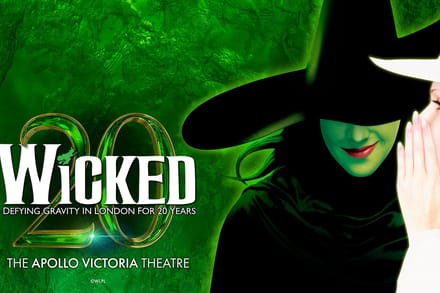
Booking two to four weeks ahead is a reasonable minimum for most shows and most performance dates. For the most popular shows, including The Lion King at the Lyceum Theatre, Hamilton at the Victoria Palace Theatre and Wicked at the Apollo Victoria Theatre, booking further ahead gives access to the best available central positions. Leaving it to the week before will likely mean working with whatever is left over.
Midweek matinees typically have better availability than Saturday evening performances, and the seats available closer to the date are often in more desirable positions. If you have flexibility about when to attend, midweek afternoon performances at popular shows can give access to the central Stalls and Royal Circle that might be sold out on a Saturday night.
Before booking, it is worth looking at the specific seating chart for the theatre you are visiting. Most West End theatres have unique layouts: the number of rows, the width of the stage, the degree of rake in each level and the position of the aisles all affect which seats are strongest in a given building. BritishTheatre.com has guides to individual shows and venues that include seating advice for specific productions.
West End tickets are tiered, with central premium seats in the Stalls and Royal Circle at the top and rear Grand Circle seats at the bottom. For a special occasion or a first visit to a major show, the mid-price tier (typically central Royal Circle or mid-Stalls rows) represents the best balance of experience and cost.
For a more casual visit or a show you have seen before, Grand Circle central seats are a well-priced option that sacrifices little in terms of the overall experience. tickadoo allows you to view the full seat map alongside prices, making it straightforward to compare options before committing.
Several West End theatres release a limited allocation of day seats (reduced-price tickets for that day's performance) sold from the box office on the morning of the show. For popular shows, this means queuing from early in the morning, and availability is not guaranteed. It is not a practical approach for most visitors, but for flexible individuals who are happy to queue, it can provide access to shows that appear sold out.
Returned tickets also sometimes appear in the days before a performance. Checking availability again within a week of your intended date can occasionally reveal seats that have been released by other bookers cancelling. tickadoo refreshes availability in real time.
What are the best seats in a typical West End theatre? The front rows of the Royal Circle central section and the mid-Stalls central block are consistently the most sought-after positions. Both offer clear unobstructed sightlines and a strong combination of proximity and overview.
Is the Stalls or the Circle better? It depends on the production. For shows with elaborate staging designed to be seen from a distance (large-scale musicals with complex scenic elements), the Royal Circle front rows often give the fullest picture. For shows driven by performance detail and emotional intimacy, mid-Stalls central is hard to beat. For most West End musicals, the Royal Circle front central is arguably the optimal position.
Are restricted-view seats worth buying? For a first visit to a production, no. For a second or third visit where you know the show and want to experience a different perspective at a lower price, they can be worthwhile. Always check exactly what is restricted before booking.
How far in advance should I book West End tickets? For the best choice of seats at popular shows, two to four weeks is a sensible minimum. For shows on school holiday weekends or new productions in their first run, booking further ahead is advisable.
What if a show appears sold out? Check back closer to the date. Cancellations and returned tickets can open up availability in the days before a performance. Day seats from the box office are another option for flexible visitors.
Stay in the spotlight
Get the latest theatre news, reviews and exclusive offers straight to your inbox.