Nhà hát His Majesty's tại khu Haymarket là một trong những công trình kiến trúc sân khấu mang tính lịch sử quan trọng nhất tại London, và kể từ năm 1986, đây đã trở thành "ngôi nhà" của một trong những vở diễn thành công nhất lịch sử West End. Với mặt tiền theo phong cách Phục hưng Pháp, khán phòng trang trí lộng lẫy và mối liên kết lâu đời với văn hóa kịch nghệ của thành phố, đây là một điểm đến đầy ấn tượng dù bạn ghé thăm lần đầu hay quay trở lại. Bài hướng dẫn này sẽ giới thiệu về lịch sử, kiến trúc, cách chọn chỗ ngồi và các thông tin thực tế cần thiết cho chuyến tham quan của bạn.
Nhà hát His Majesty's nằm tại ngã tư đường Haymarket và đường Charles II thuộc khu vực St James's, trung tâm London. Tòa nhà hiện tại được khánh thành từ năm 1897, khi cấu trúc này được xây dựng lại cho nghệ sĩ kiêm nhà quản lý kịch nghệ vĩ đại thời Victoria, Herbert Beerbohm Tree. Phần ngoại thất mang phong cách Phục hưng Pháp với tòa tháp mái vòm bằng đồng đặc trưng ở góc phố, đây là một trong những mặt tiền nhà hát được chụp ảnh nhiều nhất tại London.
Tên của nhà hát đã thay đổi nhiều lần trong lịch sử, luân phiên giữa His Majesty's (Đức Vua) và Her Majesty's (Nữ Hoàng) tùy thuộc vào vị quân chủ đang trị vì. Điều này mang lại cho tòa nhà một nét đặc thù: đây là một trong số ít các tổ chức văn hóa mà tên gọi phản ánh sự hiện diện tiếp nối của Hoàng gia trong đời sống công chúng Anh. Nhà hát đã tọa lạc trên cùng một địa điểm kể từ đầu thế kỷ 18, trải qua nhiều lần tái thiết qua các thời đại, khiến nơi đây trở thành một trong những địa điểm sân khấu lâu đời nhất ở London.
Khán phòng có sức chứa khoảng 1.216 người chia thành bốn tầng. Nội thất mang vẻ tráng lệ đặc trưng của một nhà hát lớn cuối thời Victoria, với các chi tiết phù điêu thạch cao, các mảng dát vàng trang trí và một không gian uy nghiêm mà tòa nhà vẫn duy trì qua nhiều thế hệ tác phẩm khác nhau.
Khu vực Haymarket này đã gắn bó với nghệ thuật sân khấu từ đầu thế kỷ 18, khi nhà hát đầu tiên tại vị trí này được xây dựng theo đặc quyền hoàng gia. Trong phần lớn lịch sử của mình, His Majesty's gắn liền với nhạc kịch opera và múa ballet cũng như kịch nói và nhạc kịch hiện đại, và đặc điểm kiến trúc của tòa nhà phản ánh rõ nét truyền thống đó.
Nhà hát gắn liền nhất với tên tuổi của Herbert Beerbohm Tree, người quản lý nơi này từ những năm 1880 cho đến khi ông qua đời vào năm 1917. Tree đã sử dụng His Majesty's làm trụ sở cho chương trình dàn dựng các vở kịch Shakespeare và kịch mới vô cùng xa hoa, biến nhà hát trở thành một trong những địa điểm danh giá và mang tính tiên phong về nghệ thuật nhất ở London thời Edward. Tree cũng chính là người sáng lập trường kịch nghệ tại nhà hát, nơi sau này trở thành Học viện Nghệ thuật Kịch Hoàng gia (RADA).
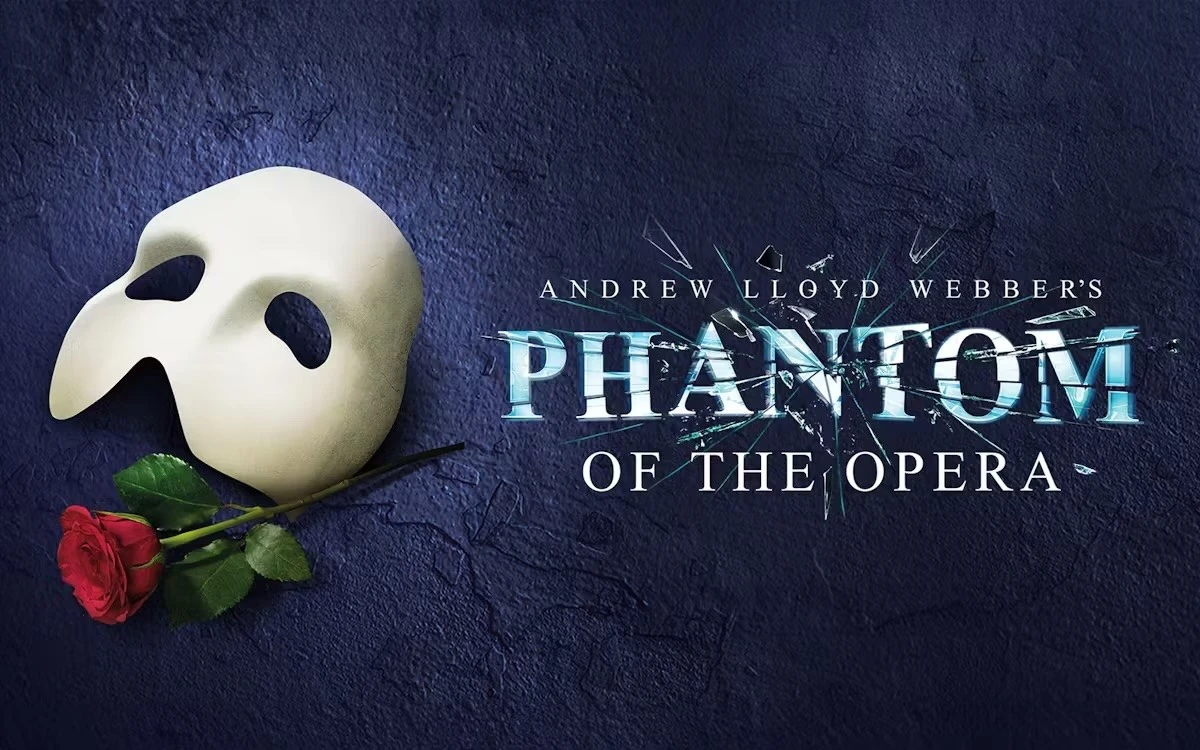
Thế kỷ 20 đã mang đến cho His Majesty's nhiều loại hình biểu diễn đa dạng hơn, bao gồm nhạc kịch, kịch thẳng và các vở diễn tái dựng, trước khi tác phẩm The Phantom of the Opera chính thức ra mắt vào tháng 12 năm 1986 và trụ vững cho đến tận ngày nay. Vở diễn này, sau khi mở màn tại Broadway vào năm 1988, đã chọn nhà hát His Majesty's làm nơi biểu diễn cố định trong gần bốn thập kỷ qua.
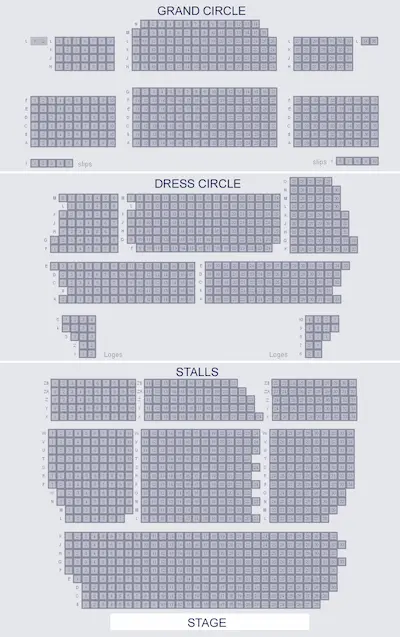
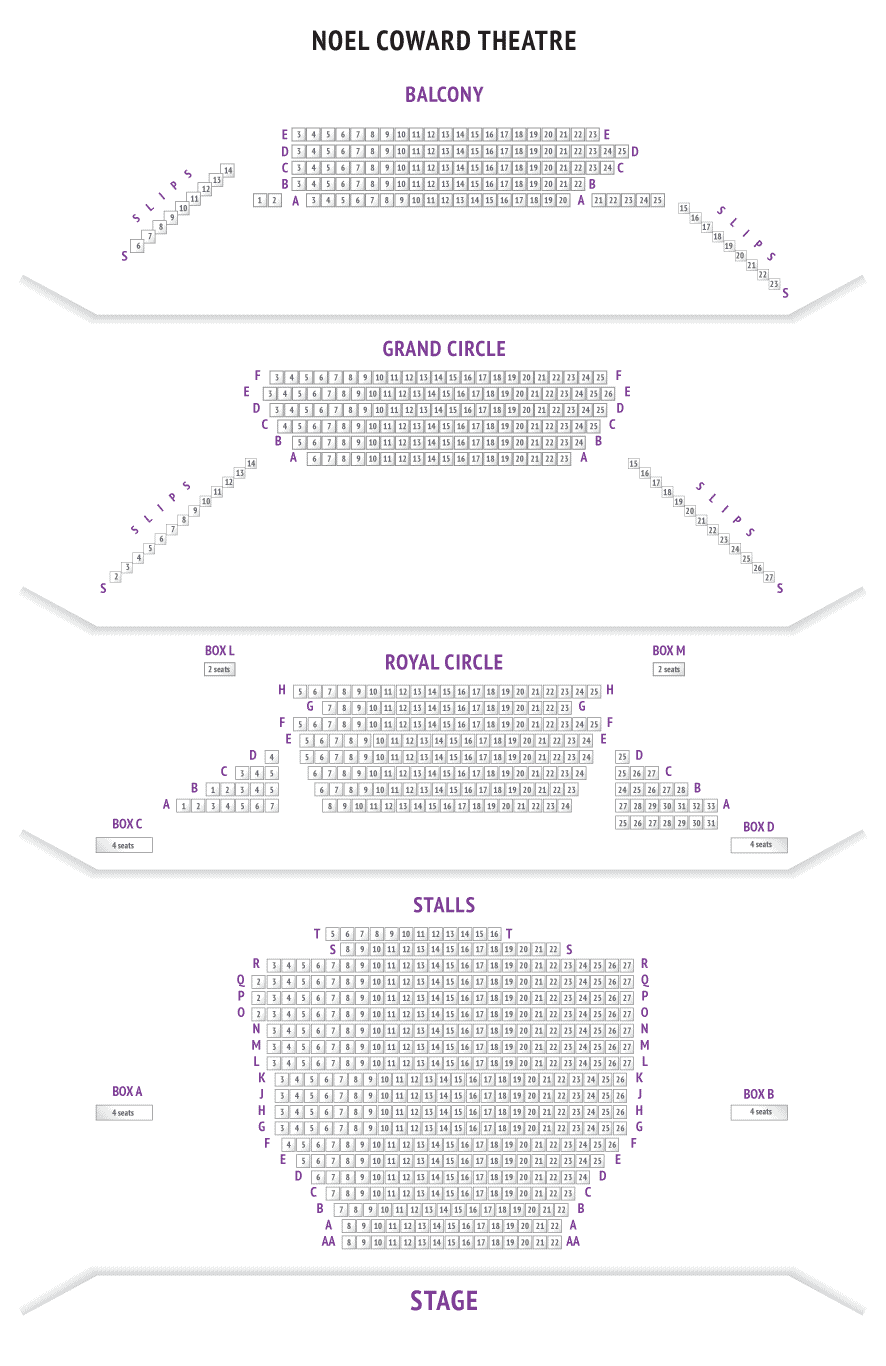
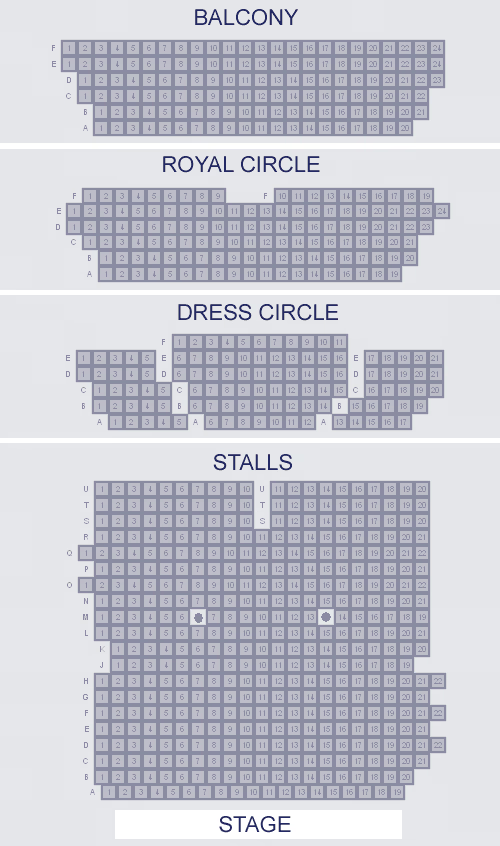
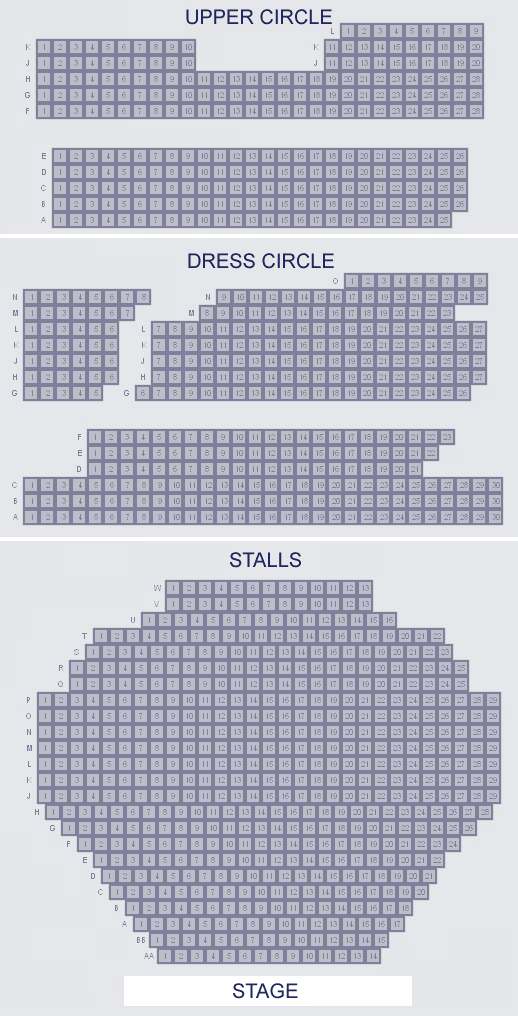
Nhà hát His Majesty's có bốn tầng ghế: Stalls (Tầng trệt), Royal Circle (Lầu 1), Grand Circle (Lầu 2) và Balcony (Lầu 3).
Stalls là khu vực ghế ngồi tầng trệt và có khoảng cách gần sân khấu nhất. Đối với vở The Phantom of the Opera, khu vực giữa tầng Stalls (khoảng hàng ghế E đến M) mang đến sự kết hợp hoàn hảo giữa độ gần và góc nhìn thoải mái. Những hàng ghế đầu tiên sẽ có góc nhìn hướng lên khá dốc do sân khấu hơi cao, điều này có thể gây mỏi cổ trong suốt buổi diễn. Các ghế ở hai bên cánh của tầng Stalls phía xa bên trái và bên phải nên được kiểm tra kỹ khi đặt vé, vì tầm nhìn có thể bị hạn chế một phần.
Royal Circle là tầng lầu đầu tiên và cung cấp một tầm nhìn từ trên cao mà nhiều khán giả ưa thích đối với các tác phẩm dàn dựng quy mô lớn. Những hàng ghế đầu của phần trung tâm tầng Royal Circle được đánh giá là một trong những chỗ ngồi tốt nhất nhà hát để xem The Phantom of the Opera, mang lại cái nhìn toàn cảnh về cách dàn dựng sân khấu trong khi vẫn giữ được sự kết nối cảm xúc với từng nghệ sĩ. Chất lượng âm thanh ở tầng này rất tốt ở mọi vị trí.
Grand Circle là tầng lầu thứ hai và cung cấp tầm nhìn bao quát rộng nhất về phía sân khấu. Khoảng cách từ trên cao đến các nghệ sĩ sẽ xa hơn, nhưng đối với một vở diễn có quy mô thị giác lớn như Phantom, cái nhìn tổng thể thường rất xứng đáng để đánh đổi. Vé ở tầng này cũng thường có mức giá dễ tiếp cận nhất trong nhà hát.
Balcony là tầng cao nhất. Khoảng cách tới sân khấu là xa nhất so với bất kỳ tầng nào, và tầng Balcony phù hợp nhất cho những người đã từng xem vở diễn trước đó và chủ yếu quan tâm đến âm nhạc và không khí kịch nghệ hơn là các chi tiết biểu diễn nhỏ của từng diễn viên.
Ghế bị hạn chế tầm nhìn tồn tại ở các phần bên của nhiều tầng khác nhau. Những ghế này được ghi chú rõ ràng khi đặt vé và được bán với giá ưu đãi. Đối với người đi lần đầu, một vị trí ở giữa tại bất kỳ tầng nào cũng được khuyến khích hơn là một ghế ở bên cạnh với mức giá thấp hơn.
Nhà hát His Majesty's tọa lạc tại Haymarket, London SW1Y 4QL, ngay trung tâm khu kịch nghệ West End.
Bằng tàu điện ngầm (Underground): Ga Piccadilly Circus (tuyến Bakerloo và Piccadilly) cách đó khoảng 5 phút đi bộ về phía nam dọc theo đường Haymarket. Ga Charing Cross (tuyến Bakerloo và Northern) cách đó khoảng 10 phút đi bộ qua Quảng trường Trafalgar.
Bằng đường sắt quốc gia (National Rail): Ga Charing Cross có các dịch vụ tàu trực tiếp từ phía nam London và Kent, cách nhà hát khoảng 10 phút đi bộ. Ga Victoria cũng có thể đến được bằng xe buýt hoặc tàu điện ngầm trong vòng chưa đầy 20 phút.
Bằng xe buýt: Khu Haymarket được phục vụ bởi nhiều tuyến xe buýt với các điểm dừng gần lối vào nhà hát. Các chuyến xe buýt từ Victoria, Quảng trường Trafalgar và các khu vực lân cận đều chạy qua hoặc gần Haymarket.
Bằng xe hơi: Khu vực xung quanh Haymarket nằm trong vùng tính phí ùn tắc của London (Congestion Charge) và rất đông đúc vào các buổi tối có biểu diễn. Phương tiện công cộng hầu như luôn là lựa chọn thiết thực hơn. Có nhiều bãi đậu xe trong vòng 10 đến 15 phút đi bộ.
Nhà hát His Majesty's có sẵn các vị trí dành cho xe lăn trong khán phòng và cung cấp sự hỗ trợ cho khán giả có yêu cầu về di chuyển. Nhà hát cũng cung cấp hệ thống hỗ trợ thính giác hồng ngoại cho những khán giả khiếm thính.
Đối với các yêu cầu tiếp cận cụ thể, bạn nên liên hệ với phòng vé trước khi đặt chỗ. Đội ngũ nhân viên tiếp đón của nhà hát có thể tư vấn về các vị trí ngồi phù hợp nhất và các sắp xếp lối đi cho nhu cầu cá nhân.
Khu vực xung quanh Nhà hát His Majesty's tập trung nhiều nhà hàng với nhiều mức giá khác nhau, nằm dọc theo và ngay sát đường Haymarket, trên phố Pall Mall, và trong các con phố hướng về phía Covent Garden và Quảng trường Leicester.
Đường Haymarket và các con phố xung quanh St James's có nhiều nhà hàng đã quen thuộc với việc phục vụ khách ăn tối trước buổi diễn. Để có nhiều lựa chọn ăn uống phong phú hơn tại khu Theatreland, bạn có thể đi bộ khoảng 10 đến 15 phút đến các con phố ở Covent Garden và Soho.
Nên đặt bàn trước cho bữa tối trước khi xem kịch vào các tối có buổi diễn, đặc biệt là vào cuối tuần và các kỳ nghỉ lễ của học sinh.
Hãy đến sớm 30 đến 40 phút trước khi mở màn. Nhà hát His Majesty's có khu vực sảnh (foyer) và khu bán quà lưu niệm rất được ưa chuộng trước giờ diễn. Đến sớm giúp bạn có thời gian nhận vé, xem qua chương trình biểu diễn và đặt trước đồ uống cho giờ nghỉ giải lao.
Chương trình (Programme). Vở The Phantom of the Opera có một cuốn chương trình được biên tập kỹ lưỡng với ghi chú về lịch sử vở diễn và bối cảnh sáng tạo. Sản phẩm được bán tại sảnh trước buổi diễn.
Đồ uống giải lao. Việc đặt hàng trước tại quầy bar khi mới đến có nghĩa là bạn có thể lấy đồ uống nhanh chóng vào giờ nghỉ mà không phải xếp hàng.
Sau buổi diễn. Khu Haymarket và các đường phố lân cận kết nối rất tốt với xe buýt, tàu điện ngầm và taxi sau buổi tối. Cả ga Piccadilly Circus và Charing Cross đều có các chuyến tàu muộn.
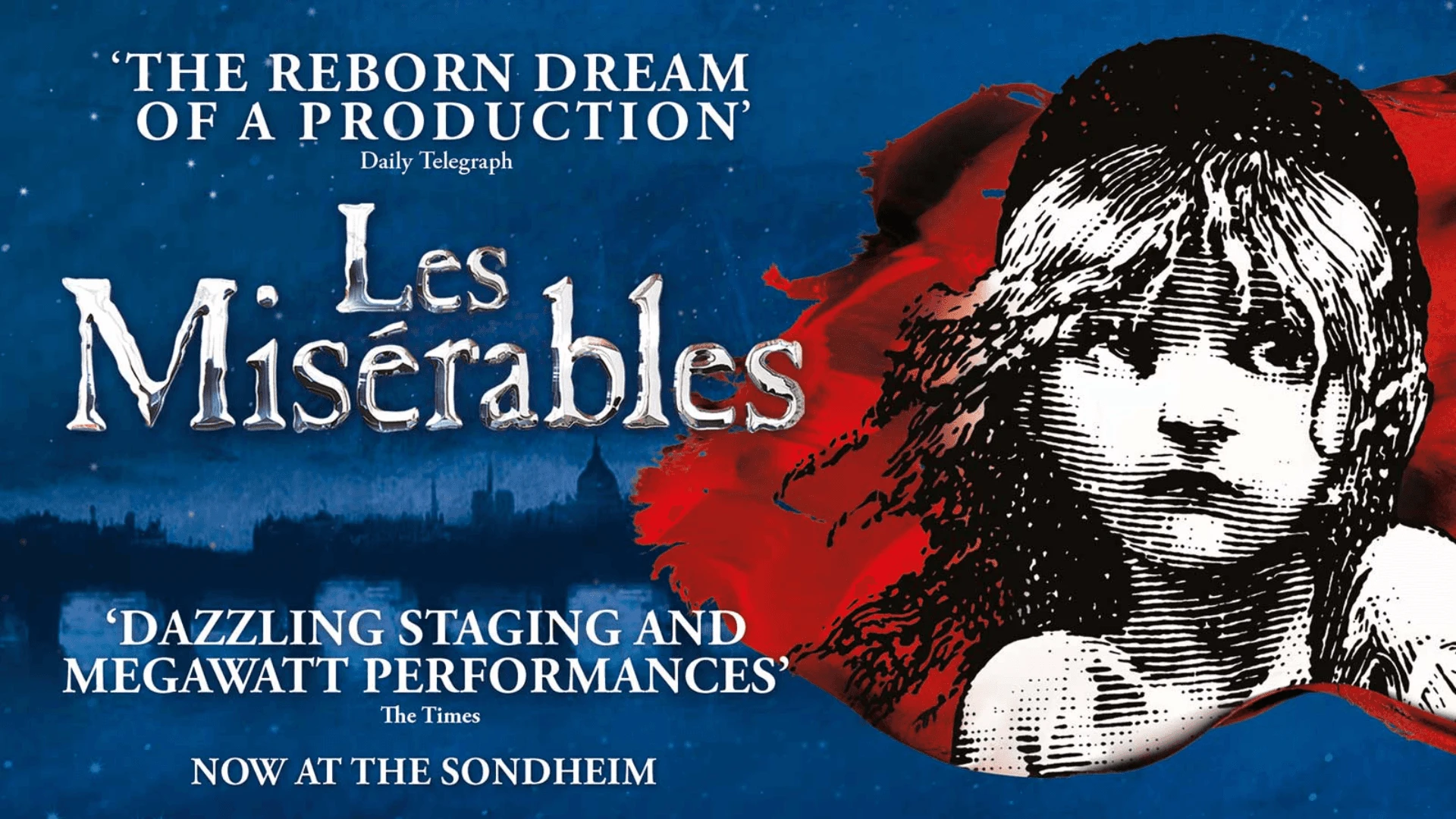
Để biết chương trình biểu diễn hiện tại tại Nhà hát His Majesty's, hãy truy cập BritishTheatre.com để xem danh sách đầy đủ các vở diễn và địa điểm tại West End. Các vở như Les Misérables tại Nhà hát Sondheim và Hamilton tại Nhà hát Victoria Palace cũng nằm trong số những tác phẩm dài hơi khác tại Theatreland thu hút khán giả khắp West End.
Để mua vé West End cho tất cả các tác phẩm và địa điểm, tickadoo cung cấp đầy đủ thông tin về tình trạng vé và cho phép bạn so sánh ngày giờ cũng như các hạng ghế trước khi đặt chỗ.
Nhà hát His Majesty's nằm ở đâu? Nhà hát His Majesty's tọa lạc tại Haymarket, London SW1Y 4QL, gần Piccadilly Circus và Quảng trường Trafalgar ở West End.
Ga tàu điện ngầm nào gần Nhà hát His Majesty's nhất? Ga Piccadilly Circus (tuyến Bakerloo và Piccadilly) cách khoảng 5 phút đi bộ. Ga Charing Cross (tuyến Bakerloo và Northern, cùng với National Rail) cách khoảng 10 phút.
Vở diễn nào đang diễn ra tại Nhà hát His Majesty's? Vở The Phantom of the Opera đã được trình diễn tại Nhà hát His Majesty's kể từ năm 1986. Để biết ngày diễn hiện tại và tình trạng vé, hãy xem qua danh sách West End trên BritishTheatre.com hoặc đặt chỗ qua tickadoo .
Chỗ ngồi nào tốt nhất tại Nhà hát His Majesty's? Các hàng ghế đầu của phần trung tâm tầng Royal Circle và khu vực giữa tầng Stalls (hàng E đến M) thường được coi là những vị trí tốt nhất để xem vở The Phantom of the Opera. Phần trung tâm tầng Grand Circle là lựa chọn đáng giá nhất và mang lại tầm nhìn bao quát rõ nét về sân khấu.
Nhà hát His Majesty's có lối đi cho người đi xe lăn không? Có. Các vị trí dành cho xe lăn luôn có sẵn và nhà hát cung cấp hỗ trợ thính giác hồng ngoại. Hãy liên hệ trực tiếp với phòng vé trước khi đặt chỗ để xác nhận các sắp xếp cụ thể và vị trí ngồi phù hợp nhất.
Tại sao tên của nhà hát lại thay đổi? Tên của nhà hát phản ánh việc vị quân chủ Anh hiện tại là Vua (His Majesty's) hay Nữ hoàng (Her Majesty's). Tên gọi này đã thay đổi nhiều lần trong lịch sử tòa nhà và sẽ tiếp tục thay đổi tương ứng với sự thay đổi của chế độ quân chủ.
Stay in the spotlight
Get the latest theatre news, reviews and exclusive offers straight to your inbox.