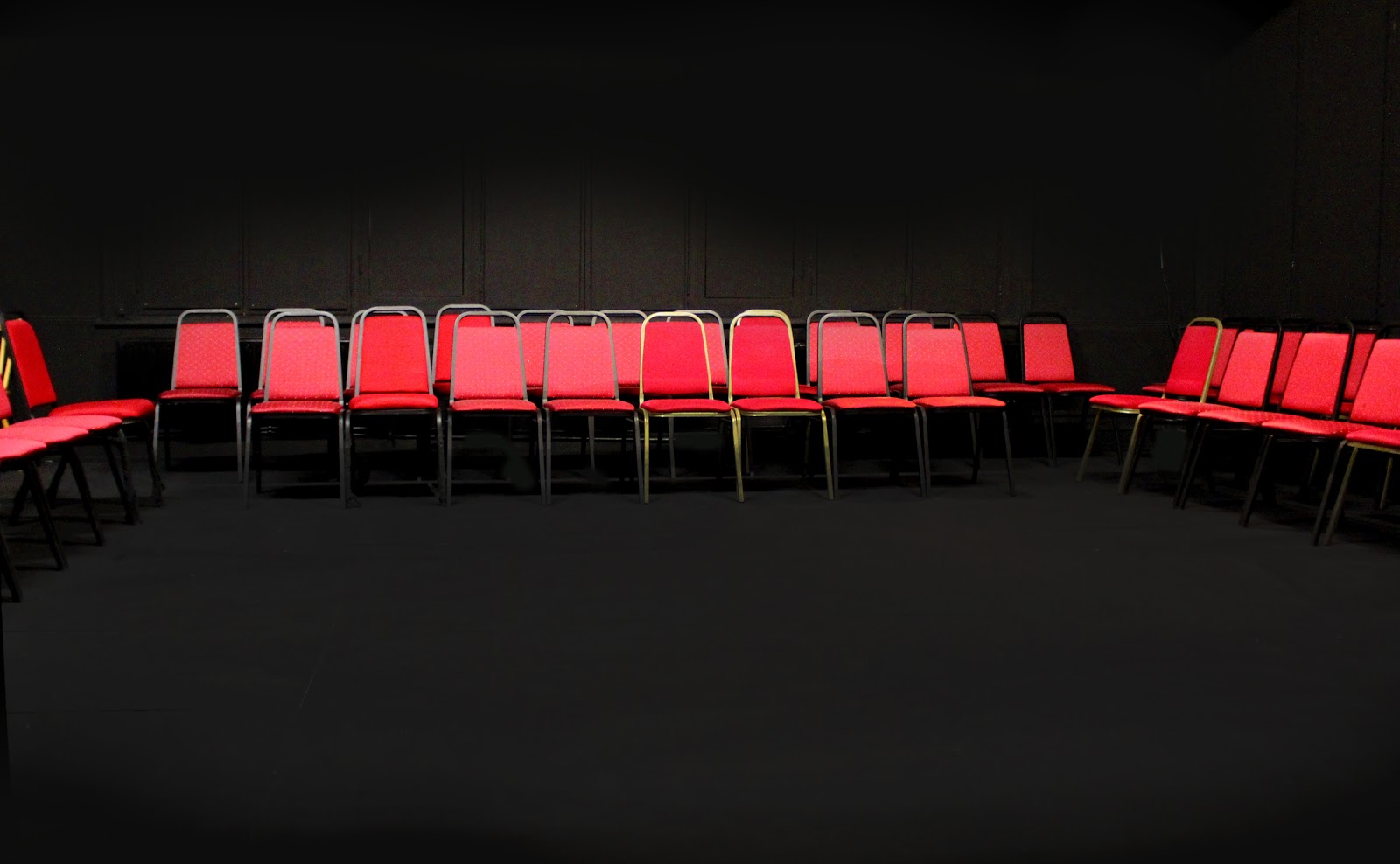
London's celebration of new queer voices in theatre is growing. BokFest, the festival dedicated to platforming early-career queer playwrights, will return to the capital this June with a bigger and bolder programme than its inaugural 2025 edition. Running from 1 to 27 June at the Hope Theatre in Islington, the 2026 festival will present eight brand-new productions across four weeks, an expansion from six shows over three weeks last year.
For anyone passionate about discovering the next generation of theatrical talent, and particularly writing that centres LGBTQ+ experiences, BokFest is quickly establishing itself as one of the most exciting dates on London's fringe calendar.
What Is BokFest and Why Does It Matter?
BokFest was founded by artistic directors Josh Maughan and Freddie Acaster as a direct response to the challenges that emerging playwrights face in getting their work from page to stage. For early-career writers, particularly those from marginalised communities, the gap between completing a script and seeing it fully produced can be vast. Traditional festivals and scratch nights often provide performance slots but little else. BokFest takes a fundamentally different approach.
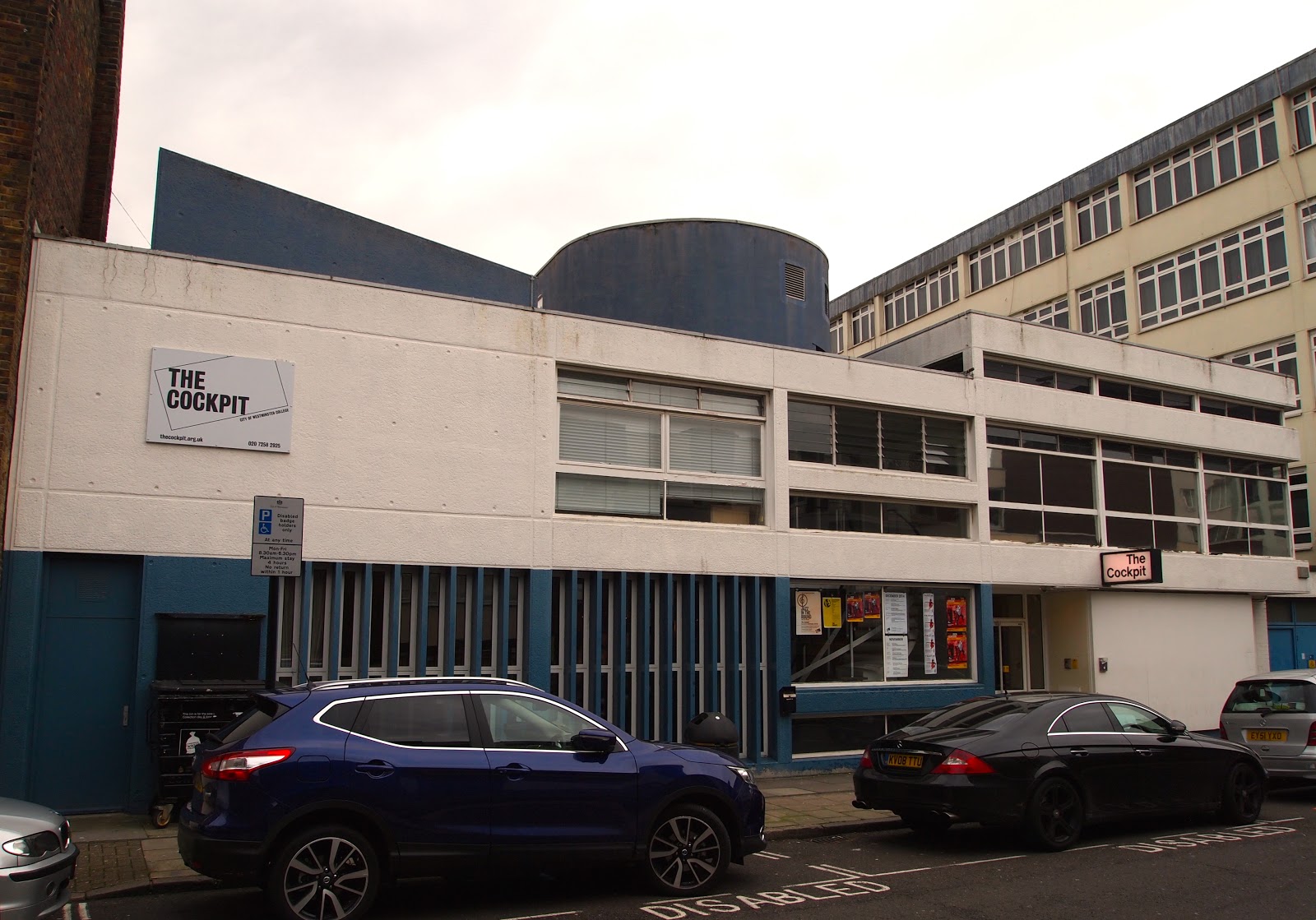
Hosted at the Hope Theatre, where Springbok (the company behind the festival) is an associate company, BokFest offers a comprehensive producing framework. This means writers are not simply given a date and a space. Instead, the festival connects playwrights with directors, designers, and performers, while also providing support across marketing, press, and technical delivery. The result is that each production receives the kind of infrastructure that would normally be out of reach for a debut playwright.
This model has clearly resonated. The open submissions process for the 2026 edition attracted a significant volume of entries from queer writers across the UK, prompting the organisers to expand the programme from six productions to eight and extend the festival's run by an additional week.
The Full BokFest 2026 Programme
The eight productions that make up this year's festival span a remarkable range of styles, subjects, and theatrical forms. From Caribbean folklore to cannibal rom-coms, here is everything audiences can look forward to.
Baleen by Mio Lobban (1 to 3 June)
The festival opens with a striking piece that blends Caribbean folklore with puppetry and movement. Baleen explores themes of Black British heritage alongside queer and trans identity, promising a richly theatrical and visually inventive start to proceedings.
EAT YOU by Rosalie Roger-Lacan (4 to 6 June)
Described as a "cannibal meets stalker lesbian rom-com", this audacious two-hander sounds like exactly the kind of boundary-pushing work that fringe theatre does best. If the pitch alone doesn't grab your attention, the play's willingness to collide horror tropes with romantic comedy certainly should.
The Last Halloween of Diablo by Wayne Middleton (8 to 10 June)
Set at a Halloween party, this production centres on a relationship that spirals as the night unfolds. Expect tension, escalation, and the kind of confined setting that can make intimate fringe theatre utterly gripping.
MUD by Chloe Casel (11 to 13 June)
Spanning four summers at an American camp, MUD focuses on gender identity and adolescence. The episodic structure allows the play to trace its characters' evolving understanding of themselves over time, offering a coming-of-age narrative rooted in queer experience.
MOTHERTONGUE by Giulia Fincato (15 to 17 June)
This play examines communication and connection between two women, exploring the ways language can both bridge and widen the gaps between people. It promises an intimate and linguistically playful piece of theatre.
Ketchup & Mayo by Silas Thomas (18 to 20 June)
Family relationships and personal ambition collide in this production, which looks at the tensions that arise when the people closest to us don't share our vision for our own lives.
The Worst Possible Nice Thing by Tom Homer (22 to 24 June)
Set in late-1980s Britain, this play explores friendship and secrecy during one of the most politically charged periods in recent queer history. The era of Section 28 and the AIDS crisis provides a potent backdrop for a story about what remains unspoken between friends.
Tartarus by George Rennie (25 to 27 June)
The festival closes with a gig theatre reimagining of the Orpheus and Eurydice myth. By filtering one of Western culture's most enduring love stories through live music and a queer lens, Tartarus promises a bold and emotionally charged finale to BokFest 2026.
Why Fringe Festivals Like BokFest Are Vital for London Theatre
London's theatre landscape is one of the richest in the world, but its most celebrated stages can sometimes feel difficult to access for new writers, particularly those telling stories that sit outside the mainstream. The West End's economic model naturally favours proven properties, long-running musicals, star-led revivals, and adaptations of established intellectual property. While there is plenty to love about the commercial sector, it is London's fringe venues that have historically been the engine room of new writing.
Festivals like BokFest serve a crucial function in this ecosystem. They create dedicated space for voices that might otherwise go unheard and provide the practical support that transforms a promising script into a fully realised production. Many of the playwrights, directors, and performers who now work regularly in major subsidised and commercial venues got their start on the fringe. By investing specifically in queer writers at the earliest stages of their careers, BokFest is helping to shape the future of British theatre.
The Hope Theatre itself has built a strong reputation as a launchpad for new work, and its partnership with Springbok gives BokFest a stable home and an audience already receptive to adventurous programming.
A Growing Visual Identity
Beyond the productions themselves, BokFest is investing in building a distinctive brand. The festival's visual identity for 2026 has been designed by Daniel Hintner, who has created individual artwork for each of the eight shows. This attention to design and presentation reflects the organisers' ambition to position BokFest not just as a collection of short runs but as a cohesive, curated festival with its own character and identity.
Should You Book?
If you are a theatregoer who loves discovering new writing, BokFest is well worth your time. Fringe productions at this scale tend to be affordably priced, and with eight distinct shows running across four weeks, there is plenty of flexibility in terms of scheduling. The variety of the programme means there is something for almost every taste, whether you are drawn to folklore-infused physical theatre, sharp two-handers, period drama, or gig theatre.
Given the intimate size of the Hope Theatre, tickets for individual productions may sell quickly, especially once early reviews begin to circulate. Booking in advance is advisable, particularly for shows with the most eye-catching premises.
BokFest runs from 1 to 27 June 2026 at the Hope Theatre, Islington, London.
Looking for more to see this summer? Browse our full listing of London shows, explore the best plays currently running, or discover more musicals on stage across the West End and beyond.
Susan Novak has a lifelong passion for theatre. With a degree in English, she brings a deep appreciation for storytelling and drama to her writing. She also loves reading and poetry. When not attending shows, Susan enjoys exploring new work and sharing her enthusiasm for the performing arts, aiming to inspire others to experience the magic of theatre.
View profile and all articlesStay in the spotlight
Get the latest theatre news, reviews and exclusive offers straight to your inbox.