West End productions arrive in the theatre preceded by years of work that audiences rarely see. The glamour and apparent completeness of an opening night conceals a long, expensive and frequently uncertain process of development, revision, production and technical preparation. Understanding how a show gets made gives a different perspective on what you are watching when you sit in the auditorium, and it explains why the West End programme looks the way it does: cautious about originating new work, patient with the development of properties that show potential, and reliant on material that has been tested elsewhere before it arrives in London.
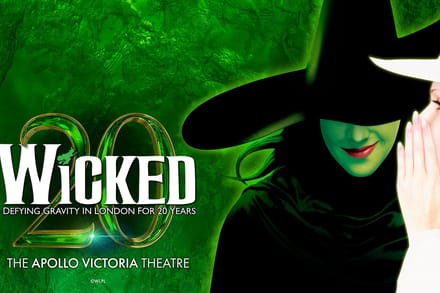
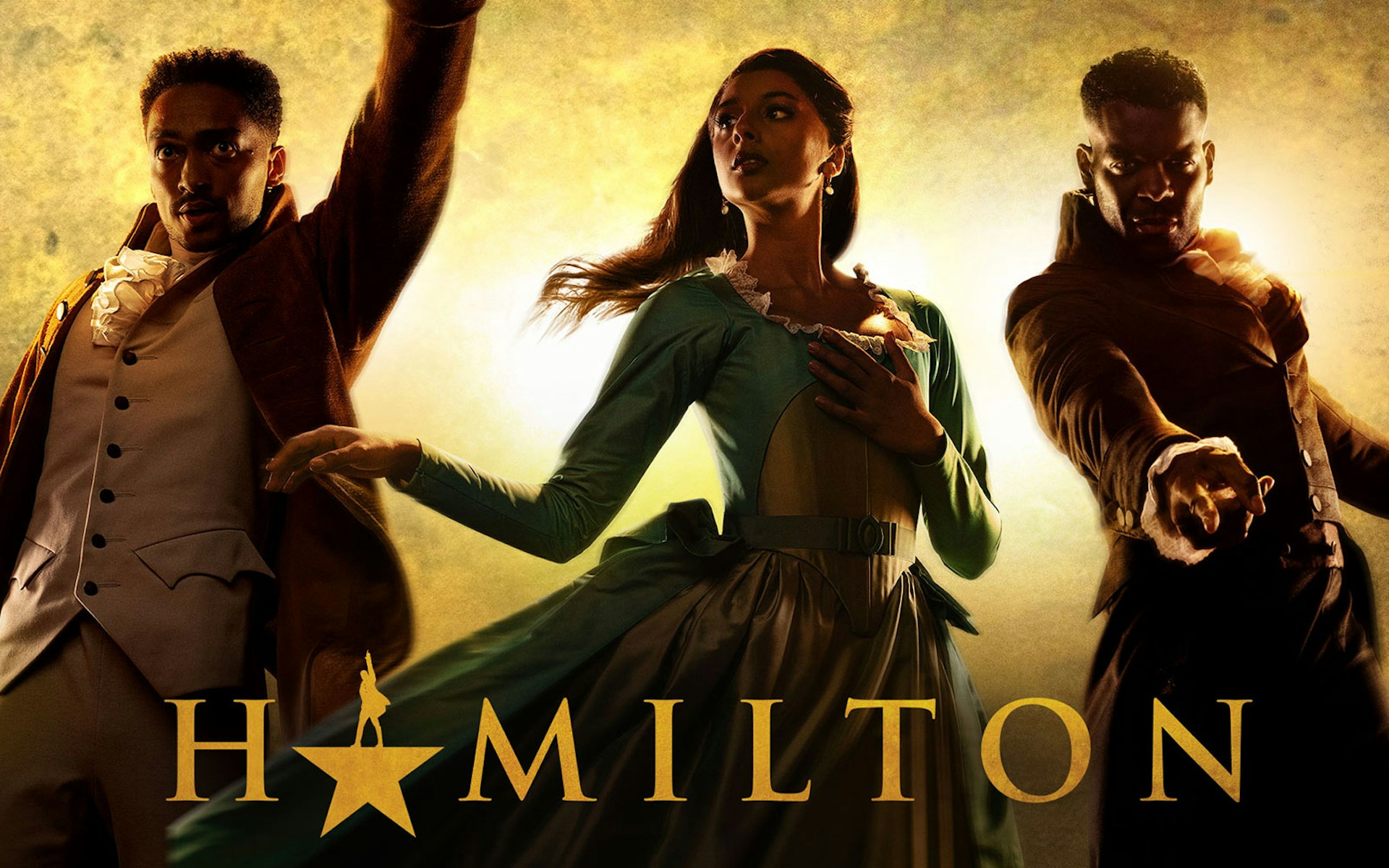
West End productions arrive through several routes. Many originate in other producing centres, principally Broadway and the American regional theatre circuit, and transfer to London after proving their commercial and artistic viability. Productions including Hamilton, which originated at the Public Theater in New York before moving to Broadway and then to London, and Wicked, which opened on Broadway in 2003 before its London run at the Apollo Victoria Theatre, follow this pattern.
Other productions originate in the British subsidised sector. The National Theatre and the Royal Shakespeare Company regularly develop productions that transfer to the West End, providing a development framework that reduces the financial risk of originating new work. Productions that begin in smaller venues and build audience and critical support are more viable commercial propositions than untested new material going straight to a large commercial house.
Original productions developed specifically for the West End also exist, but they require producers who are willing to take the full financial risk of development and initial production without the prior testing that transfers provide. These are the productions that carry the most risk and also, when they succeed, the most potential significance.
A new musical or play does not arrive fully formed. The development process involves a series of increasingly elaborate tests of the material, each designed to identify and address problems before the cost of a full production is incurred.
Workshops are typically the first stage. A workshop involves a small group of performers working through material with the creative team, usually without staging or design, to test whether the writing and the music work in performance. Workshops for a new musical may run for several days to several weeks and may happen multiple times across the development period, with the material revised between each.
Readings, in which performers read the script aloud to an invited audience with minimal or no staging, serve a similar purpose: they test how the material lands with an audience and generate responses that feed back into the revision process. The Public Theater's early development of Hamilton involved multiple workshops and readings before the show had the form in which it eventually opened.
Out-of-town tryouts and pre-West End runs are a further stage of development. A production that is not yet ready for a West End opening may run for several weeks or months in a regional theatre or a smaller London venue, allowing the creative team to see how the show works under full production conditions and to make significant revisions before the higher-stakes commercial opening. Productions have been substantially reworked during pre-West End runs, with scenes rewritten, songs cut or added, and in some cases significant changes to the story or structure.
A West End production involves a large creative team working across multiple disciplines. The principal roles include the director, who oversees the overall vision of the production; the choreographer, who creates the movement and dance; the set designer, who designs the physical environment of the show; the costume designer; the lighting designer; and the sound designer. For a new musical, the book writer, composer and lyricist are also central to the process.
These creative roles are distinct from each other but interdependent. The set design shapes what the director and choreographer can do; the lighting design determines how the set and costumes read in performance; the sound design affects how the music and spoken word land in the auditorium. A production emerges from the negotiation between these disciplines rather than from any single creative vision, even when a single director or producer is the dominant force.
Producers are the financial and organisational centre of the process. In the West End, a production is typically assembled by a producing company or lead producer who raises the money, secures the rights to the material, engages the creative team, books the venue and manages the commercial operation of the show throughout its run. The producer's decisions about where to open, how large a house to target, what capitalisation is needed and how the show will be marketed are as significant to the production's success as the creative work itself.
Full rehearsals for a West End production typically begin several weeks before the scheduled first performance. The rehearsal period for a large musical may be four to six weeks; plays are typically somewhat shorter. During rehearsals, the cast works through the production in the rehearsal room with the director and choreographer, building the show from individual scenes and numbers into a complete performance.
The technical rehearsal period, typically two to three weeks before opening, is when the production moves into the theatre and the design elements are combined with the performance for the first time. Technical rehearsals are notoriously time-consuming: each element of the staging, every scene transition, every lighting cue and sound effect, has to be set and tested in sequence before the combined whole can be run.
For a production with significant technical elements, the technical rehearsal period can be the most demanding part of the process. The flying sequences that define a show like Wicked require extensive safety testing and technical setting before they can be incorporated into the live performance. The scale and complexity of a large West End production means that technical rehearsals often run through the night and extend beyond their scheduled duration.
Preview performances are performances given to paying audiences before the official opening or press night. Previews serve several purposes: they allow the company to test the production under genuine performance conditions, they generate income during the period when the show is still being refined, and they provide the creative team with further opportunities to revise the material.
The number of previews varies by production; a large musical may have four to six weeks of previews before the press night at which critics attend and reviews are published. During the preview period, changes to the show can still be made, and significant productions have continued to revise material well into their preview runs.
Press night is the performance at which critics are formally invited to review the production. Reviews published the following morning represent the first public critical assessment of the show and have a significant effect on audience perception and ticket sales. Strong reviews establish demand and contribute to the long-run potential of a production; negative reviews for a show without strong prior box-office sales can shorten its run considerably.
After press night, the production enters its run, which may last months or years depending on its success. The cast and creative team move on to other projects; the production is maintained by a company manager and the ongoing work of the performers and crew who keep it at the standard established during the opening period.
For tickets to West End productions at every stage of their runs, tickadoo covers full availability with seat maps and pricing. For the complete programme of current and upcoming productions, BritishTheatre.com covers the full West End calendar. tickadoo also offers theatre gift vouchers.
How long does it take to produce a West End show? The development and production process for a new West End musical typically takes several years from initial concept to opening night, with multiple workshops, a pre-West End run and an extended technical and preview period. Transfers from Broadway or other producing centres move through the process more quickly.
What is a transfer to the West End? A transfer is a production that originated in another venue, typically Broadway, the US regional circuit or the British subsidised sector, and moves to a West End venue after proving itself elsewhere. Most of the most successful long-running West End productions began as transfers rather than original West End productions.
What is the difference between previews and the official run? Previews are performances given before the press night on which critics attend and reviews are published. The show may still be revised during the preview period. The official run begins after press night.
Stay in the spotlight
Get the latest theatre news, reviews and exclusive offers straight to your inbox.