Birdland at The Royal Court. Photo: Tristram Kenton Birdland
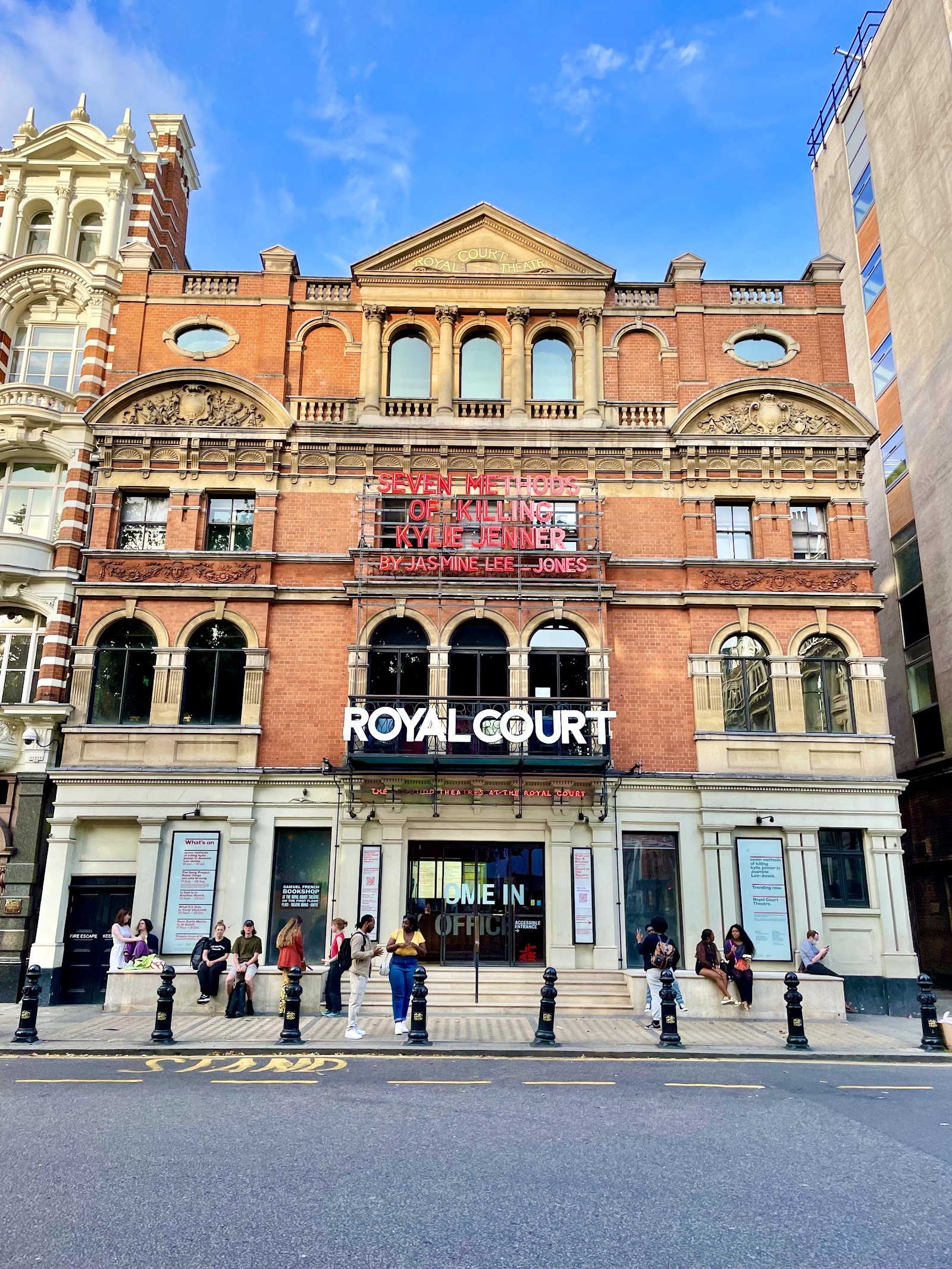
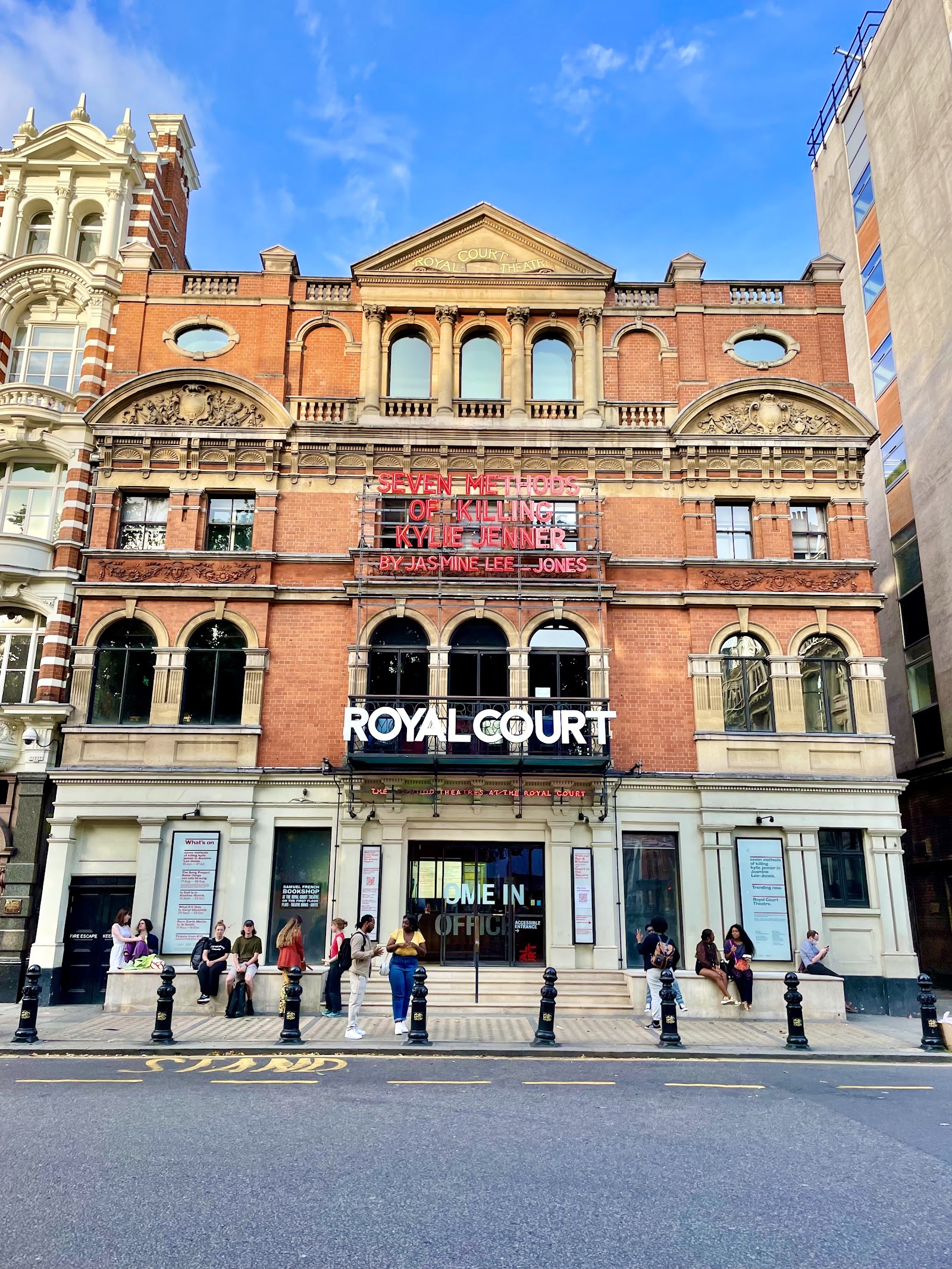
Royal Court Theatre
29 April 2014
4 Stars
It is not often that a set for a production underscores and gives physical life to the themes the narrative explores, but so it is with Ian Macneil's cracking set for Simon Stephens' new play, Birdland, now having its premiere run in a production directed by Carrie Cracknell at The Royal Court. There is a simply amazing moment when the set literally starts to crack up or, depending on how you look at it, begins to drown - just as the central character, Andrew Scott's troubled rock supremo, Paul, finds his personal world crumbling around him, finds himself drowning in a sea of excess, selfishness and solitude.
It is made all the more surprising because the presence of water is hidden until the key moment. It's there in plain sight, but the eye is not drawn to it, and it lies silent and black, waiting for its presence to be felt. And in that way it is another metaphor - for the lurking failure and disintegration that is likely to consume Paul.
MacNeil really has achieved something quite splendid with this set. It manages to be many things all at the same time - in exactly the same way that Paul is many Pauls all at the same time - star, best friend, client, boss, child, lover, victim, tawdry sleaze, gentle lost soul, vicious tantrum thrower - but all the while having an outward appearance which serves to obfuscate the multi-faceted nature of its composition, making it seem simpler than it actually is.
Cracknell ensures that every inch of the set is used and explored (exceptionally good and evocative lighting from Neil Austin) in precisely the same way that every aspect of Paul is explored. Stephens' script provides a series of scenes which illuminate the highs and lows of the modern rock star existence, addicted to excess and unaware of consequence. Each scene highlights a different aspect of Paul's life and antics, and each plays out in a slightly different part of the set, lit differently and feeling different.
There is nothing particularly original or insightful about Stephens' writing, although ocular injections of cocaine represented fresh ground in some ways. The thing that is interesting here is that Stephens manages to tell the story from different points of view as Paul pirouettes along the walkway to decadent annihilation. And by using a core group of actors to play a multitude of roles, Cracknell emphasises the theatricality ever present in Paul's life, making the theatricality of the presentation as important an aspect of Paul's life as any other. By making the performances overtly theatrical, Cracknell neatly engages with the fundamental drivers of Paul's destruction.
The pace ebbs and flows, sometimes charging along at an almost blinding pace, at other times slowing right down so that stock can be taken of exactly what is and has happened. The mostly first rate cast excel at making this vision work.
At the centre of it all, like both a shining jewel and the dark, black heart of a ravenous beast, Andrew Scott is mesmerising as Paul. His precision with the language - the way he says the word peach evokes a randy sensuality that is beguiling and dismissive all at once - and his shimmering ability to say a line in a wildly unexpected way, together with the raw physicality with which he festoons the character; all the elements combine to present a ruthlessly honest portrait of the expected excesses that accompany fame in the modern world.
Scott is good too at illuminating the brittle inferior interior of characters who externally exude bravado. He does that in an exemplary way here - offering minute insights into the real, frightened and disoriented child hidden within the trappings and expectations of superstardom.
Despite that, this is far from Scott's best work. These tricks and tics have all been employed before, sometimes to better effect, by Scott. So rather than being revelatory or unexpected, his Paul is precisely what you would expect from this talented actor. It would have been better had Cracknell taken him to different, darker places.
Alex Price is marvellous as Johnny, Paul's fellow musician and best friend. The opening scene where their firm friendship is established is one of the production's highlights. Then Paul smashes Johnny's world with an act of breathtaking self-absorption and jealousy and watching that play out, together with the painful confession scene, is as rewarding as the production gets. And it is Price who deftly but assuredly makes one care.
As the slimy, ghastly but omnipresent agent and Paul's broke but salt-of-the-Earth father (as well as other roles, all beautifully drawn) Daniel Cerqueira is excellent. Each character he plays is entirely different and there is no sense of bleeding from one to another, even when the changes are split-second. He is most effective as the father - that scene pulses with pain. But his agent is pitch-perfect and, rightly, finally shows Paul who is the master and who the slave in a skilful evisceration of Paul's dreams of escape.
Yolande Kettle shone, especially as Johnny's true love Mandy, who is seduced and then tormented by Paul and who escapes in suicide. Her suffering was intensely moving. In several other roles, she showed her versatility. But her reappearance, like the return of the drowned Ophelia, was especially effective, haunting.
This is the best production the Royal Court has staged for some time but Stephens' play is not his best work.
Stephen Collins is a contributor at British Theatre, covering West End productions, London theatre news, casting updates, and UK stage trends.
View profile and all articlesStay in the spotlight
Get the latest theatre news, reviews and exclusive offers straight to your inbox.