The Judas Kiss. Photo: Manuel Harlan The Judas Kiss
17 March 2013 4 Stars
On second viewing, and now well into its West End run, Neil Armfield's glorious revival of David Hare's masterpiece about the torments, triumphs and tragedy of Oscar Wilde's last years, The Judas Kiss, is spellbinding theatre and, but for one glaring inadequacy, would be hard to beat as revival of the year.
Everything, with one exception, about this production shines with an intensity and a level of perfection and commitment that is rare. Dale Ferguson's set, brilliantly lit by Rick Fisher and delightfully enhanced by Sue Blane's detailed and immaculate costumes, provides the perfect setting for this intricate comedy of manners which morphs seamlessly into a gripping and profoundly sad evocation of the harm that love can cause those who love selflessly, because love, as the play maintains, is real, life the illusion.
The final remarkable image of Wilde laughing, bitterly and then sardonically, before evoking the notion of a death mask is one that will haunt the memory for a long time.
The pulsing heart of the production comes from a perfectly judged, almost impossibly detailed, committed and extraordinary turn from Rupert Everett whose Wilde is as miraculous, stubborn, intelligent and deluded as his remarkable writings would suggest. Everett is a complete revelation - who, really, knew he was capable of such profoundly important and deeply moving work? An effortlessly charming Charles in Blithe Spirit - yes! A superbly judged Higgins in Pygmalion - sure! But the acerbic, gentle, self-destructive, intellectual, proud, stubborn, sexually driven, witty, charming, romantic, altruistic and ultimately crushed Irish lover that was Oscar Wilde?
As it turns out, thanks to Armfield's insightful direction, Everett seems the obvious and only choice. He is, simply, astonishing.
But, then, except in one respect he has excellent unflagging and delicious support from the rest of the cast.
Often in plays, small roles are played by young or inexperienced or unsuitable actors, as producers seek to limit costs. But here, every small part is played perfectly.
Ben Hardy (as the lusty, sometimes naked, bi-sexual Arthur) is completely alive, focused and contributing in every scene in which he appears. Kirsty Oswald's Phoebe is equally well- judged and provides good comic moments. Alister Cameron is the epitome of the impeccable implacable butler and the moment when he refuses Wilde's tip is poignant and telling - articulating simply the awe with which ordinary folk regarded Wilde, that rare creature, a famous celebrity who was always kind.
In the second Act, Tom Colley, breathtakingly naked and almost silent, provides a complete and striking portrait of the reason Lord Alfred Douglas was fatal to Wilde's popularity and place in society.
As Robbie Ross, Wilde's first male lover, Cal Macaninch is faultless, clearly establishing their bond, the pain that both divides and binds them, the mostly unspoken disbelief about the attraction and excesses of Lord Alfred and the particular horror of being the go-between in a shattered marriage. It's a terrific turn that works in every respect - the moment in Act Two when Ross and Wilde clasp hands in unspoken undeniable love is powerful and shattering - as good a moment as any involving the final point of separation between former lovers ever written.
The production is absorbing, thrilling, in turns funny and distressing.
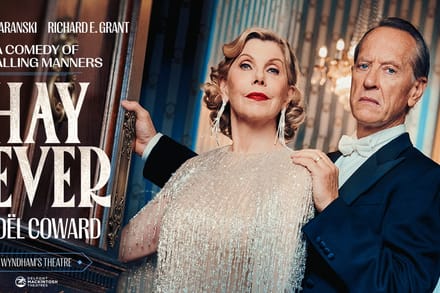
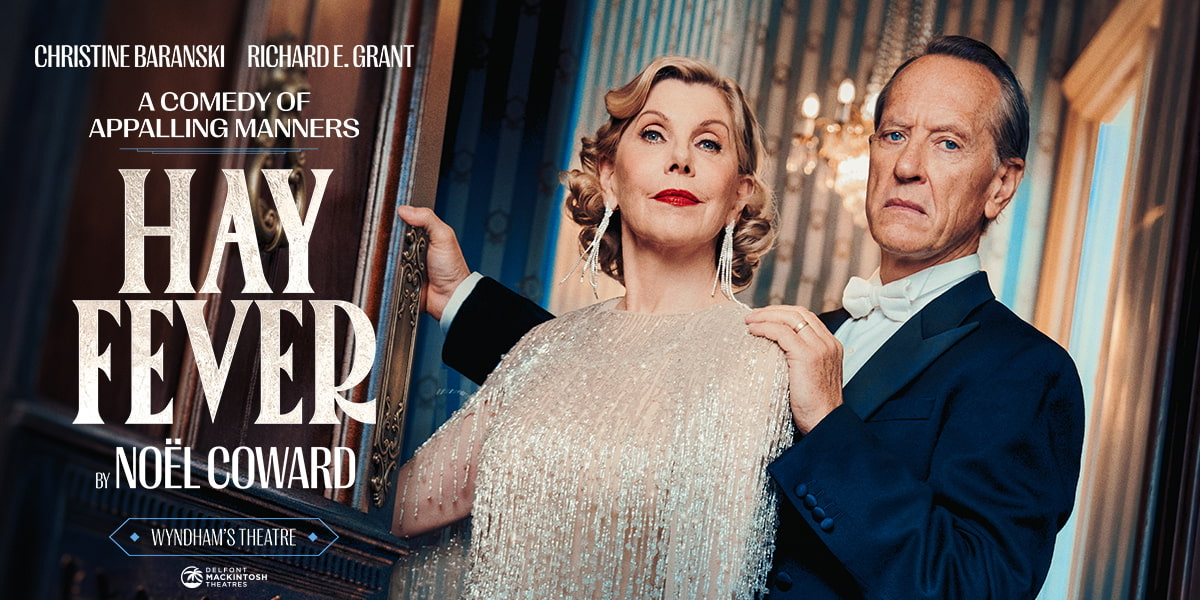
How much more heart-breaking, more resonant, more distressing, more insightful it would be had an actor been cast as Lord Alfred Douglas rather than the shrieking, tiresome, loathsome false-note supremacist, Freddie Fox, the inadequacy incapable of evoking a single titter as Simon Bliss in Hay Fever. What if Ben Wishaw, Max Bennett or Tim Mison had played the part - capable, insightful actors who could walk the line establishing both the intoxicating, beguiling beauty and repellant odious self-serving nature of the third son of the Marquis of Queensbury?
Fox makes nothing of the role and positively detracts from the success of the other performances - his unreal, idiotic, and flamboyantly tiresome performance dulls everything around him. Rather than portraying the essence of Wilde's dilemma, underlining the human nature of their unfortunate association, Fox is entirely unconvincing in every respect and denies the audience the chance to feel as Wilde felt and to suffer as Wilde suffered.
But, the magical thing here is that Fox does not, in the end, destroy the work. It's not what it might have been, absolutely, and that is profoundly regrettable, but it is a remarkable theatrical experience anyway.
And that is down to the power of Hare's writing, Armfield's vision and Everett's glittering star turn.
Nothing, whatever, to do with Fox.
Stephen Collins is a contributor at British Theatre, covering West End productions, London theatre news, casting updates, and UK stage trends.
Stay in the spotlight
Get the latest theatre news, reviews and exclusive offers straight to your inbox.