od £25
Venue
Divadlo Gielgud Theatre
4.7 · 4.6k Google reviewsBox office closed · opens 12:30pm
Divadlo Gielgud Theatre patří k předním londýnským scénám, o kterých píše British Theatre. Před svou návštěvou si zde můžete prohlédnout program nadcházejících představení, praktické informace o divadle i tipy na rezervaci vstupenek. Divadlo Gielgud Theatre, původně známé jako Hicks Theatre, poprvé přivítalo diváky 27. prosince 1906. Úvodní dvě sezóny patřily muzikálům The Beauty of Bath a My Darling z pera Seymoura Hickse, po němž budova tehdy nesla jméno. Zajímavostí je, že když Hicksova manželka kvůli nemoci vynechala několik představení hry The Dashing Little Duke (1909), chopil se její role sám autor. Ještě téhož roku převzal vedení Charles Frohman a scénu přejmenoval na Globe Theatre. První inscenací po změně názvu bylo drama His Borrowed Plumes, které napsala lady Randolph Churchill (matka Winstona Churchilla). Následující dvě dekády přinesly řadu hitů, mezi něž patřila hra Fallen Angels (1925), Call It a Day (1935), jež dosáhla 509 repríz, a legendární inscenace Jak je důležité míti Filipa (1938) v režii Johna Gielguda, který zároveň ztvárnil hlavní roli. Gielgudův další počin, hra Christophera Fryho The Lady’s Not for Burning, zde měla úspěšnou premiéru v roce 1949. Na tento úspěch navázaly v dalších desetiletích tituly Člověk pro každé počasí (A Man For All Seasons, světová premiéra 1960), komedie There’s a Girl in My Soup (1966, 1 064 repríz) a Daisy Pulls It Off (1983), která s 1 180 reprízami drží rekord jako nejdéle hraný titul v historii tohoto divadla. V roce 1994, v souvislosti s otevřením Shakespearova globu na jižním nábřeží (South Bank), bylo divadlo přejmenováno na Gielgud Theatre. Stalo se tak jednak na počest uměleckého přínosu sira Johna Gielguda, a také aby se předešlo záměně dvou divadel podobného jména. V letech 2007–2008 prošla budova rozsáhlou rekonstrukcí. Rozmarný duch (2014)Cizinci ve vlaku (2014)Soukromé životy, Audience, Cizinci ve vlaku (2013)Ohnivé vozy (2012)Cherbourské deštníky, Půjčte mi tenora, Pětilístek (The Ladykillers) (2011)Vlasy, Jistě, pane premiére (2010)Enjoy, Avenue Q (2009)Sezóna Gilberta a Sullivana, Bůh masakru, Šest postav hledá autora (2008)Equus, Macbeth, Nicholas Nickleby (2007)Čarodějky ze Salemu, Canterburské povídky, Frost/Nixon (2006)Don Carlos, Some Girls, Deset malých černoušků (2005)Dobrý konec všechno spraví, Přelet nad kukaččím hnízdem (2004)Tell Me on a Sunday (2003) Parkoviště NCP na Wardour Street, Newport Place, Denman Street a Lexington Street. Chinatown, Soho (součást partnerského programu Q-Park) Vstup do divadla i hlediště je plně bezbariérový a k dispozici jsou vyhrazená místa pro vozíčkáře. PŘEDSTAVENÍ S ASISTENCÍ:Má divadlo vybavení pro sluchově postižené? V celém hledišti je k dispozici infračervený systém s klasickými sluchátky. Asistenční psi mají do hlediště přístup povolen. Personál divadla vám také případně zajistí dohled nad psem během představení. Pro bližší informace prosím kontaktujte přímo pokladnu divadla. Velkolepá nová inscenace milovaného muzikálu Oliver! od Lionela Barta v produkci Camerona Mackintoshe se vrací na londýnský West End – do divadla Gielgud Theatre – v režii a choreografii Matthewa Bournea. Pořiďte si vstupenky na Oliver! a nenechte si ujít představení, které kritici označují za „triumfální“ a „nevynechatelné“. Získejte jako první přístup k nejlepším vstupenkám, exkluzivním nabídkám a nejčerstvějším novinkám z West Endu. Z odběru se můžete kdykoli odhlásit. Zásady ochrany osobních údajů
Photos via Google. Attributions: Jacques Poudrier, Vasiliki Menegatou, Kenny Chau, Mario Yanyov
Capacity
Just under 1,000 (three levels)
Current attached shows
1
Google rating
4.7 ★ (4.6k)
Venue info
Divadlo Gielgud Theatre patří k předním londýnským scénám, o kterých píše British Theatre. Před svou návštěvou si zde můžete prohlédnout program nadcházejících představení, praktické informace o divadle i tipy na rezervaci vstupenek.
Divadlo Gielgud Theatre, původně známé jako Hicks Theatre, poprvé přivítalo diváky 27. prosince 1906. Úvodní dvě sezóny patřily muzikálům The Beauty of Bath a My Darling z pera Seymoura Hickse, po němž budova tehdy nesla jméno. Zajímavostí je, že když Hicksova manželka kvůli nemoci vynechala několik představení hry The Dashing Little Duke (1909), chopil se její role sám autor. Ještě téhož roku převzal vedení Charles Frohman a scénu přejmenoval na Globe Theatre. První inscenací po změně názvu bylo drama His Borrowed Plumes, které napsala lady Randolph Churchill (matka Winstona Churchilla). Následující dvě dekády přinesly řadu hitů, mezi něž patřila hra Fallen Angels (1925), Call It a Day (1935), jež dosáhla 509 repríz, a legendární inscenace Jak je důležité míti Filipa (1938) v režii Johna Gielguda, který zároveň ztvárnil hlavní roli. Gielgudův další počin, hra Christophera Fryho The Lady’s Not for Burning, zde měla úspěšnou premiéru v roce 1949. Na tento úspěch navázaly v dalších desetiletích tituly Člověk pro každé počasí (A Man For All Seasons, světová premiéra 1960), komedie There’s a Girl in My Soup (1966, 1 064 repríz) a Daisy Pulls It Off (1983), která s 1 180 reprízami drží rekord jako nejdéle hraný titul v historii tohoto divadla. V roce 1994, v souvislosti s otevřením Shakespearova globu na jižním nábřeží (South Bank), bylo divadlo přejmenováno na Gielgud Theatre. Stalo se tak jednak na počest uměleckého přínosu sira Johna Gielguda, a také aby se předešlo záměně dvou divadel podobného jména. V letech 2007–2008 prošla budova rozsáhlou rekonstrukcí.
Rozmarný duch (2014)Cizinci ve vlaku (2014)Soukromé životy, Audience, Cizinci ve vlaku (2013)Ohnivé vozy (2012)Cherbourské deštníky, Půjčte mi tenora, Pětilístek (The Ladykillers) (2011)Vlasy, Jistě, pane premiére (2010)Enjoy, Avenue Q (2009)Sezóna Gilberta a Sullivana, Bůh masakru, Šest postav hledá autora (2008)Equus, Macbeth, Nicholas Nickleby (2007)Čarodějky ze Salemu, Canterburské povídky, Frost/Nixon (2006)Don Carlos, Some Girls, Deset malých černoušků (2005)Dobrý konec všechno spraví, Přelet nad kukaččím hnízdem (2004)Tell Me on a Sunday (2003)
Parkoviště NCP na Wardour Street, Newport Place, Denman Street a Lexington Street. Chinatown, Soho (součást partnerského programu Q-Park)
Vstup do divadla i hlediště je plně bezbariérový a k dispozici jsou vyhrazená místa pro vozíčkáře.
PŘEDSTAVENÍ S ASISTENCÍ:Má divadlo vybavení pro sluchově postižené?
V celém hledišti je k dispozici infračervený systém s klasickými sluchátky.
Asistenční psi mají do hlediště přístup povolen. Personál divadla vám také případně zajistí dohled nad psem během představení.
Pro bližší informace prosím kontaktujte přímo pokladnu divadla.
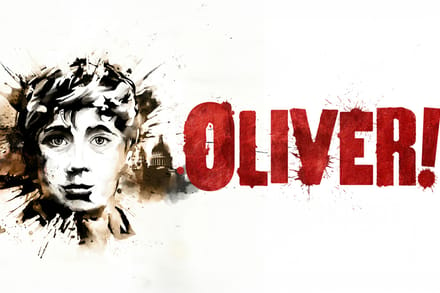
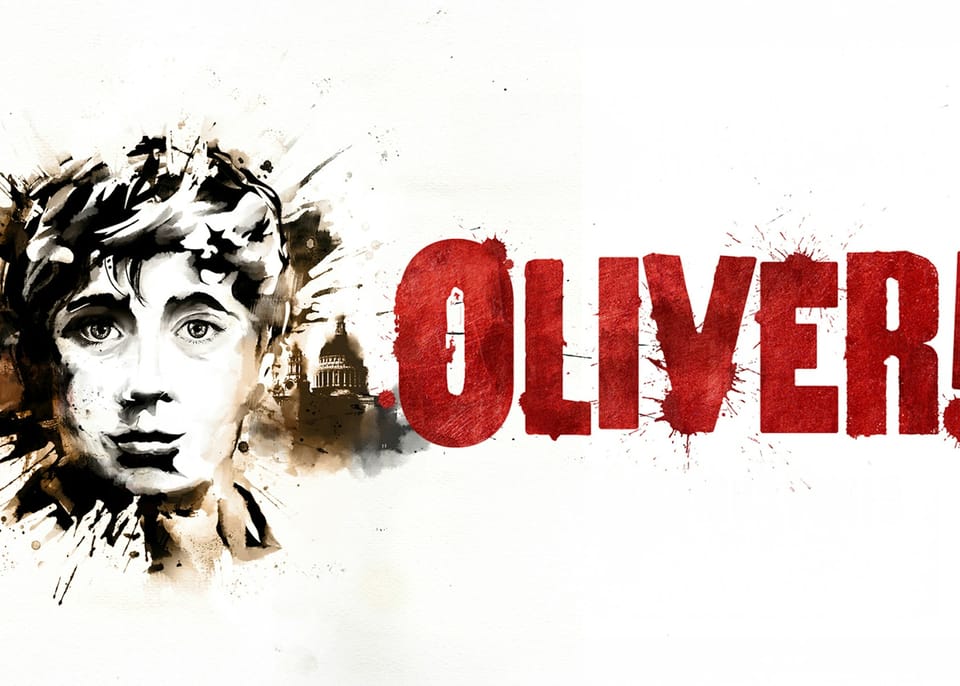
Velkolepá nová inscenace milovaného muzikálu Oliver! od Lionela Barta v produkci Camerona Mackintoshe se vrací na londýnský West End – do divadla Gielgud Theatre – v režii a choreografii Matthewa Bournea. Pořiďte si vstupenky na Oliver! a nenechte si ujít představení, které kritici označují za „triumfální“ a „nevynechatelné“.
Získejte jako první přístup k nejlepším vstupenkám, exkluzivním nabídkám a nejčerstvějším novinkám z West Endu.
Z odběru se můžete kdykoli odhlásit. Zásady ochrany osobních údajů
History
The Gielgud Theatre, originally called the Hicks Theatre, opened on 27 December 1906. It’s first two productions, the musicals The Beauty of Bath and My Darling, were both written by Seymour Hicks, who the theatre was named after. When Hick’s wife missed several performances of The Dashing Little Duke (1909) due to illness, he stepped into the role personally.
In that same year, Charles Frohman became sole manager of theatre and quickly renamed it the Globe Theatre. Lady Randolph Churchill (Winston Churchill’s mother) wrote the reopening production, His Borrowed Plumes. The next two decades were peppered with successful productions such as Fallen Angels in 1925, Call It a Day in 1935 (which ran for 509 performances), and John Gielgud’s production of The Importance of Being Earnest in 1938 (in which Gielgud both starred and directed).
Gielgud’s next production, Christopher Fry’s The Lady’s Not for Burning, has a successful premiere in 1949, and that success was followed up in the next decades with A Man For All Seasons (1960, also its stage premiere), There’s a Girl in My Soup (1966, ran for 1,064) and Daisy Pulls it Off (1983, 1,180 performance, the theatre’s longest run).
With the opening of Shakespeare’s Globe on the South Bank, the theatre was renamed the Gielgud Theatre in 1994, both in honor of the actor’s contribution, and to avoid public confusion over two similar venue titles. An extensive refurbishment took place between 2007-8.
Past performances
Blithe Spirit (2014)
Strangers On A Train (2014)
Private Lives, The Audience, Strangers on a Train (2013)
Chariots of Fire (2012)
The Umbrellas of Cherbourg, Lend Me a Tenor, The Ladykillers (2011)
Hair, Yes Prime Minister (2010)
Enjoy, Avenue Q (2009)
Gilbert and Sullivan Season, God of Carnage, Six Characters in Search of an Author (2008)
Equus, Macbeth, Nicholas Nickleby (2007)
The Crucible, The Canterbury Tales, Frost/Nixon (2006)
Don Carlos, Some Girls, And Then There Were None (2005)
All’s Well That Ends Well, One Flew Over the Cuckoo’s Nest (2004)
Tell Me on a Sunday (2003)
Box office hours
Box office closed · opens 12:30pm
- Monday: 4:30 – 7:30 PM
- Tuesday: 4:30 – 7:30 PM
- Wednesday: 12:30 – 7:30 PM
- Thursday: 4:30 – 7:30 PM
- Friday: 4:30 – 7:30 PM
- Saturday: 12:30 – 7:30 PM
- Sunday: Closed
These are the box office (ticket desk) hours supplied by Google. The theatre itself opens around 45 minutes before curtain-up — always check your ticket for the performance start time. You can book online any time through British Theatre.
Transport
Tube
Piccadilly Circus, Leicester Square
Train
Charing Cross
Bus
14, 19, 38
Parking
NCP Wardour Street, NCP Newport Place, NCP Denman Street, NCP Lexington Street. Chinatown, Soho (Q Park Scheme)
Seating plan and where to sit
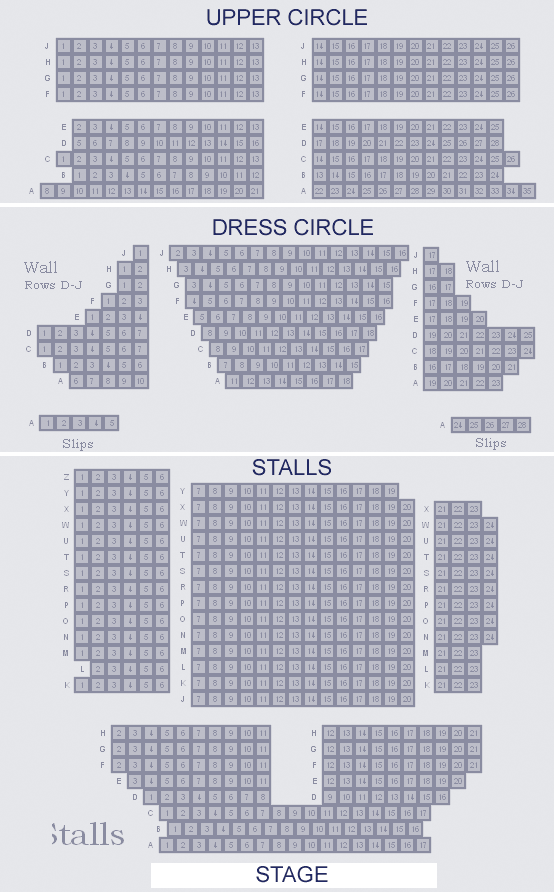
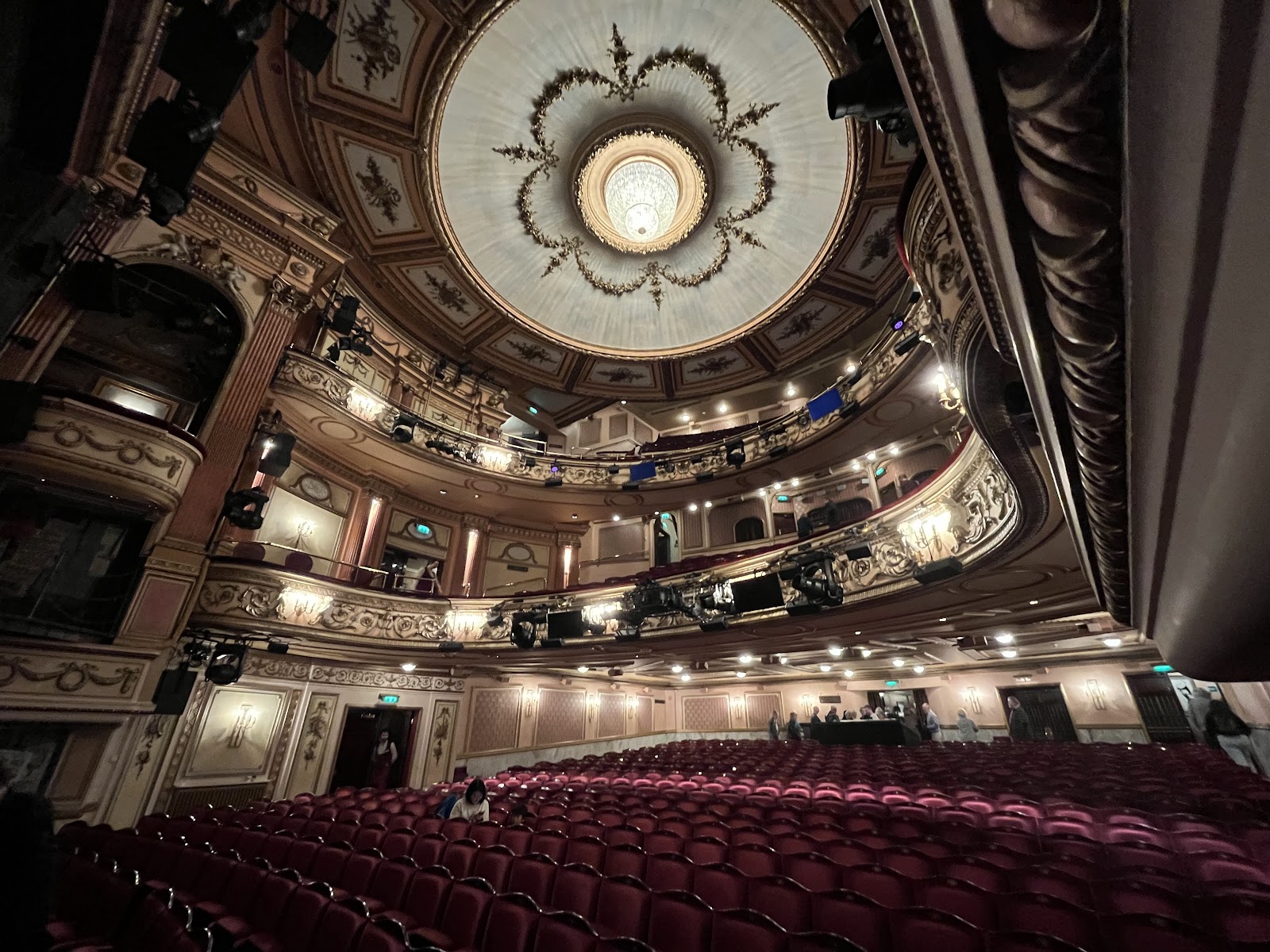
For the best all-round view at the Gielgud Theatre, aim for the centre of the Stalls, roughly the middle rows, where the rake and sightlines are strongest. If you want to be closer to the stage, the front and centre of the Stalls puts you right in the action, while the centre of the Dress Circle gives a cleaner elevated view of the whole stage. The theatre holds just under 1,000 across three levels: the Stalls, the Dress Circle and the Grand Circle.
| Level | Best for | Worth knowing |
|---|---|---|
| Stalls | Overall best views, close to the stage | Centre rows are the sweet spot. Front rows sit low against a raised stage, and the Dress Circle overhang clips the top of the stage from the rear rows. |
| Dress Circle | A clean, elevated head-on view from the centre | The curve of the circle means seats towards the ends of the front rows are angled and can be restricted. |
| Grand Circle | Best value, decent views from the front | You are higher and further back. A safety bar runs across the front and can clip the view from the first few rows, and seats at the far ends of rows are side-on to the stage. |
Best seats at the Gielgud Theatre
For Oliver!, the centre of the Stalls is hard to beat, giving you a full, level view of the ensemble numbers and the staging without craning. The centre of the Dress Circle is the strong alternative, lifting you just enough to take in the whole picture while staying close to the action.
Seats to check before you book
The Dress Circle curves quite tightly, so seats towards the far ends of the front rows sit side-on to the stage and lose part of the view. In the rear of the Stalls, the Dress Circle overhang is low and can cut off the top of the stage. On the Grand Circle, a safety bar runs across the front and can clip the view from the first few rows, and seats at the far ends of the rows are angled side-on to the stage, so read a seat view before choosing them.
Best value
The Grand Circle is where the value sits. You are further from the stage and higher up, but the front rows of this level still give a solid view for noticeably less than the Stalls or Dress Circle. If you are not sure which level suits you, our West End seating guide explains how the levels compare. Compare live prices and seat availability across every section at Oliver!.
Accessibility
Wheelchair Access
Wheelchair accessible entrance and seats available
Are there adapted toilets?
An adapted toilet is available in the foyer.
Assisted Performances
Are there facilities for the hard-of-hearing?
There is an infrared system working throughout the auditorium with conventional headsets.
Are guide dogs and/or hearing dogs permitted?
Access dogs are allowed inside the auditorium. Staff can also dog-sit.
Please contact the theatre directly for further information.
Shows currently at this venue
Previous productions
Představení
Company
Gielgud Theatre, London
Představení
Imperium Parts 1 and 2
Gielgud Theatre, London
Představení
Tell Me on a Sunday
Gielgud Theatre, London
What visitors say
5.0· 2 months ago
Fantastic. The theatre is absolutely beautiful, only small but perfect. We went to see Oliver which was incredible. The cast were absolutely amazing. What a superb production. This was our first visit to this particular theatre and it didn't disappoint. It's history is amazing and when you sit a look around, then think of all the wonderful people that have trod them boards it was an honour to sit and see the talent and dedication of the people on that stage. Going to the theatre gives an experience that nothing else gets close to. This performance will hook you for ever, so it's a must to visit.
5.0· 4 months ago
The Gielgud Theatre looks great from the outside and even better on the inside. Pretty much all of the seating gives an adequately good view with most of it giving a great view because of its design. The stage was larger than normal which had to be to put on such a show as Oliver. The Acoustics from the orchestra was amazing. Plenty of bars and toilets to accommodate such a wide audience.
4.0· a month ago
I went to see Oliver and this musical was amazing! The decor was incredible and they had their own orchestra ! The actors were really good even more the children actors ! I greatly recommend seeing this play if you go to london!
5.0· 4 months ago
Fantastic Theatre. Warm welcome into a bright and historic theatre. Had a box with private room and butler... All very reasonable too all considered, money wise. Saw Oliver! Top show.
Reviews sourced from Google Maps.
Live venue listings
Nearby venues
Frequently asked questions
Where are the best seats at the Gielgud Theatre?
The best seats are in the centre of the Stalls, around the middle rows, where the rake and sightlines give a full, level view of the stage. The centre of the Dress Circle is the strongest alternative if you prefer an elevated head-on view.
Which seats at the Gielgud Theatre have restricted views?
Seats towards the far ends of the front Dress Circle rows are angled and can be restricted by the curve of the circle. The rear of the Stalls sits under a low overhang that can clip the top of the stage. On the Grand Circle, a safety bar across the front can clip the view from the first few rows, and seats at the far ends of the rows are side-on to the stage.
How many seats does the Gielgud Theatre have?
The Gielgud Theatre seats just under 1,000 people, around 986 to 995 depending on the configuration. They are spread across three levels: the Stalls, the Dress Circle and the Grand Circle.
Is there step-free or accessible seating at the Gielgud Theatre?
Wheelchair spaces are located in the Dress Circle, with companion seats alongside and a ramp providing level access to the front of that level. Accessing the Stalls and Grand Circle involves stairs, so the Dress Circle is the step-free option, and it is best to contact the box office in advance.
What is the best value section for Oliver! at the Gielgud Theatre?
The Grand Circle offers the best value for Oliver!. You are higher up and further back, but the front rows of this level still give a solid view for noticeably less than the Stalls or Dress Circle.
What's on at Divadlo Gielgud Theatre?
The current production at Divadlo Gielgud Theatre is Oliver!. Browse and book tickets directly through British Theatre.
What's the nearest tube station to Divadlo Gielgud Theatre?
The nearest tube station is Piccadilly Circus, Leicester Square.
How can I contact Divadlo Gielgud Theatre?
You can call Divadlo Gielgud Theatre on 0344 482 5151. For tickets and bookings, please use British Theatre to secure the best seats.
What are the box office hours at Divadlo Gielgud Theatre?
The Divadlo Gielgud Theatre box office (ticket desk) operates: Monday: 4:30 – 7:30 PM; Tuesday: 4:30 – 7:30 PM; Wednesday: 12:30 – 7:30 PM; Thursday: 4:30 – 7:30 PM; Friday: 4:30 – 7:30 PM; Saturday: 12:30 – 7:30 PM; Sunday: Closed. Right now the box office is closed · opens 12:30pm. The theatre itself opens around 45 minutes before curtain-up — and you can book online any time through British Theatre.
Is Divadlo Gielgud Theatre accessible?
Divadlo Gielgud Theatre offers wheelchair-accessible seating, wheelchair-accessible toilets. Please contact the venue directly if you have specific access requirements.
How big is Divadlo Gielgud Theatre?
Divadlo Gielgud Theatre has a capacity of Just under 1,000 (three levels) — small enough to feel intimate but large enough to host major productions.
Related posts
Recenze
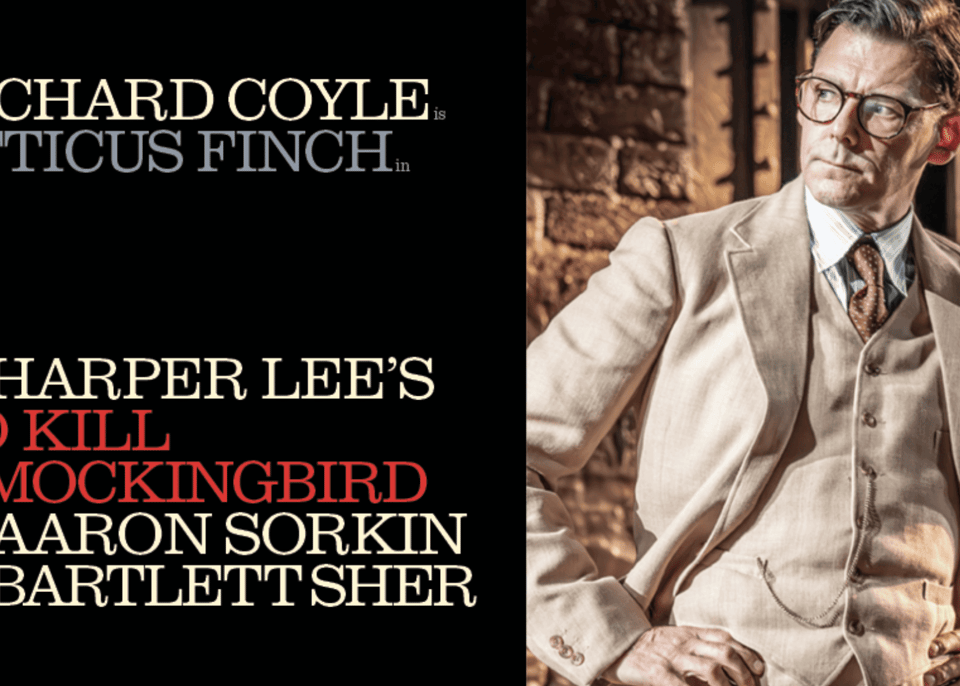
To Kill A Mockingbird Recenze: Silná divadelní adaptace, která rezonuje více než kdy jindy v roce 2026
Richard Coyle se vrací do čela Sorkinovy adaptace v Gielgud Theatre v produkci, která nachází znepokojivé paralely mezi Alabamou 30. let a dnešními rozděleními.
Susan Novak
Zprávy a recenze
News
Cameron Mackintosh představuje nové záběry z muzikálu Oliver! v londýnském Gielgud Theatre – British Theatre
Byly zveřejněny nové záběry a v londýnském Gielgud Theatre se pro velký zájem prodlužuje předprodej vstupenek na netrpělivě očekávanou inscenaci muzikálu 'Ol…
Susan Novak
Zprávy a recenze
News
J. Smith-Cameron a Mark Rylance se představí ve West Endu v inscenaci Juno a páv – British Theatre
V nové inscenaci hry Juno a páv od Seana O’Caseyho v režii Matthewa Warchuse se v hlavních rolích představí hvězdní J. Smith-Cameron a Mark Rylance. Vaše nej…
Douglas Mayo
Zprávy a recenze
News
Muzikál Oliver! se letos v prosinci vrací na prkna londýnského West Endu – British Theatre
Nové zpracování klasického rodinného muzikálu Oliver! od Lionela Barta v produkci Camerona Mackintoshe dorazí do divadla Gielgud Theatre v prosinci 2024. Vaš…
Douglas Mayo
Zprávy a recenze
News
Muzikál Opening Night se Sheridan Smith končí už příští měsíc – British Theatre
Nový muzikál Opening Night s Sheridan Smith v hlavní roli ohlásil předčasné ukončení své cesty West Endem. Poslední představení se odehraje již 18. května 20…
Douglas Mayo
Zprávy a recenze
Review
RECENZE: Opening Night, Gielgud Theatre ✭ – British Theatre
Paul T Davies hodnotí Sheridan Smith v novém muzikálu Opening Night, který se právě uvádí v londýnském Gielgud Theatre. Vaše nejlepší zprávy z britského diva…
Paul T Davies
Zprávy a recenze